How to choose toothpaste for your child
Originally published
Choosing toothpaste for your child need not be complicated. Start with the fluoride content, then look for a flavour they are comfortable using. The aim is to find a suitable toothpaste that helps you keep up a regular brushing routine.
Check the fluoride content
Fluoride helps protect teeth against decay. Check the concentration on the packaging, shown in parts per million (ppm), rather than choosing by the age range or characters on the box alone.
The NHS guidance on children’s teeth recommends:
- Under three: a smear of toothpaste containing at least 1,000 ppm fluoride, unless your dentist advises a higher concentration.
- Ages three to six: a pea-sized amount containing 1,000–1,500 ppm fluoride.
- From age seven: toothpaste containing 1,350–1,500 ppm fluoride.
Your dentist can advise on your child’s individual needs. For more about decay in milk teeth, see when a milk tooth may need treatment.
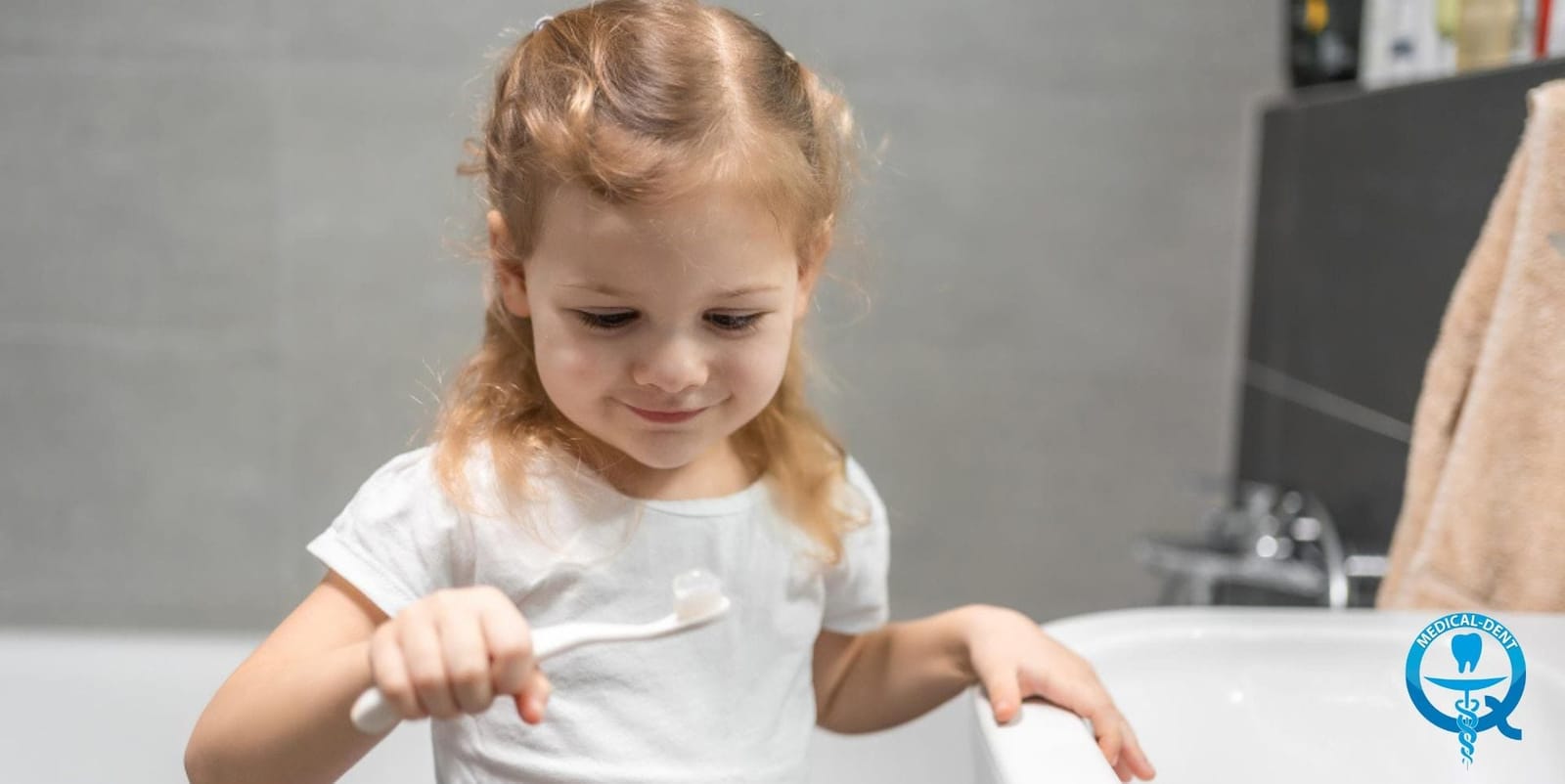
Find a flavour your child is comfortable with
If your child dislikes a strong mint flavour, try another suitable fluoride toothpaste. Offer a choice between products you have already checked, so they can take part in choosing without losing sight of the fluoride content.
A favourite flavour can make brushing more appealing, but toothpaste is not something to eat. Keep the focus on cleaning teeth, and encourage your child to spit it out afterwards.
For ideas to make the routine easier, read our 10 ways to encourage your child to brush their teeth.
What about other ingredients?
If a toothpaste makes brushing uncomfortable, ask your dentist for help choosing an alternative.
For people with mouth ulcers, the NHS advises avoiding toothpaste containing sodium lauryl sulphate (SLS). This is advice for a particular problem, rather than a reason to rule out every toothpaste containing SLS for every child. If your child has ulcers or ongoing soreness, ask your dentist for advice.
When comparing products, check the fluoride content and instructions instead of relying on claims such as “natural” or an endorsement alone.
Help your child use the right amount
Do not choose a low-fluoride or fluoride-free toothpaste simply because it is advertised as “safe to swallow”. Follow the age-appropriate amounts above and any individual advice from your dentist.
Encourage your child to spit out toothpaste without rinsing after brushing, and do not let them eat or lick it from the tube. Help them brush until they are at least seven; older children may still need supervision.
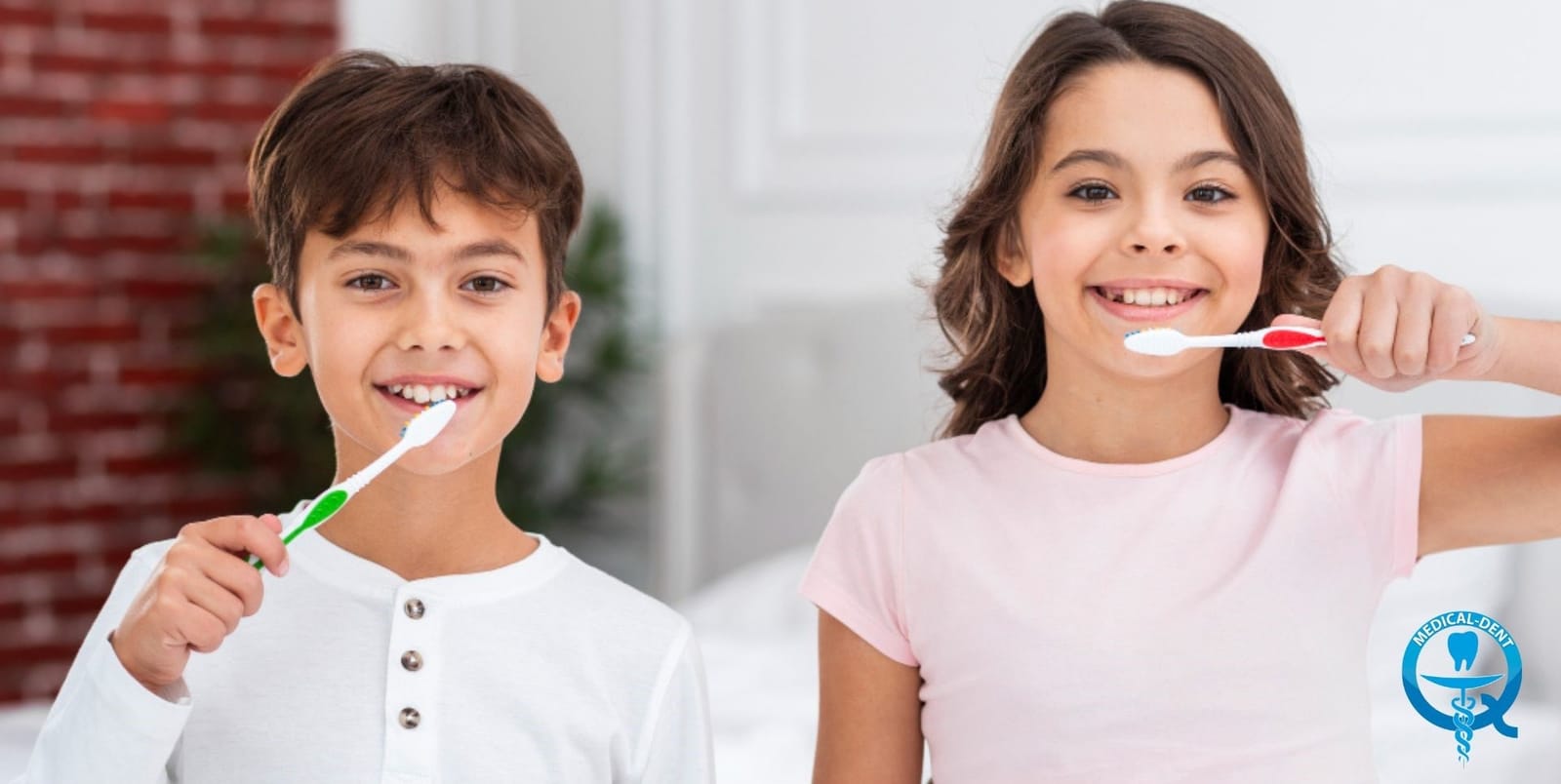
Toothpaste is one part of the routine
Brush twice a day for about two minutes, including last thing at night. Regular dental visits also give you a chance to ask about brushing, diet and any concerns about your child’s teeth.
Take your child for their first dental visit when their first milk teeth appear, or before they are 12 months old. Our guide to your child’s first dental visit explains what to expect.
Your dentist can recommend when to return and whether preventive treatments, such as fluoride varnish or fissure sealants, are appropriate. Read more about preventive dental care for children.
For current finance options and eligibility conditions, see our treatment finance information. If you would like help choosing toothpaste or have questions about treatment costs, book a consultation.