Preventive dental care for children: sealants and fluoride
Originally published
Prevention can reduce a child’s risk of decay, but no single treatment guarantees that every tooth will stay healthy. Daily brushing, a manageable approach to sugar and dental reviews work alongside preventive treatments offered in the practice.
Milk teeth matter for eating, comfort and development. A tooth that will eventually fall out still needs attention if it is painful or decayed. Early visits also give parents a chance to ask for help before a problem becomes difficult to manage.
Start with the first tooth
Brush from the first tooth with fluoride toothpaste, and arrange a dental visit when teeth begin to appear or before the first birthday. Use a smear of toothpaste below age three and a pea-sized amount from three to six. Help or supervise brushing until at least seven, and longer when needed.
Brush twice a day, including before bed, and encourage spitting without rinsing when your child can do so. Ask the dentist which fluoride strength is appropriate. Wiping gums before teeth appear is not a guarantee against later decay, and babies should not be asked to rinse their mouths.
What are fissure sealants?
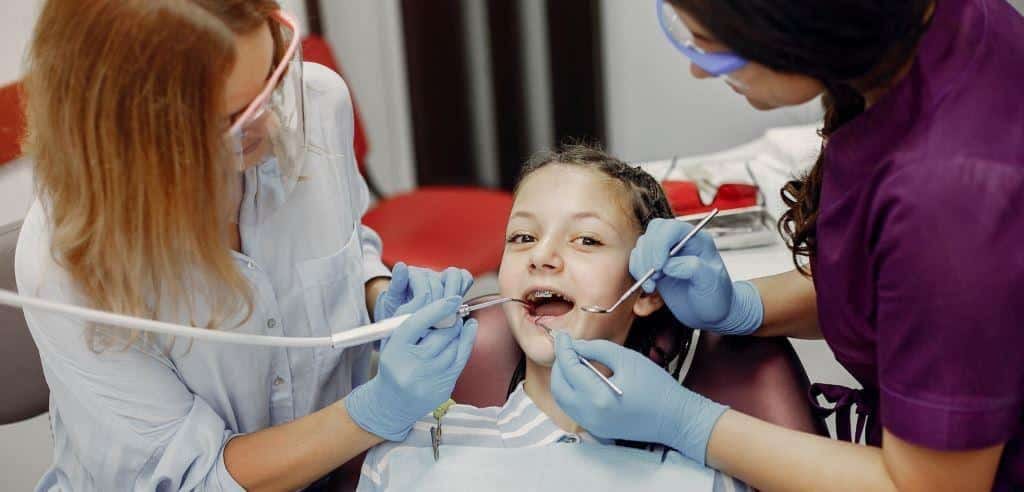
Sealants cover selected pits and grooves on chewing surfaces, usually on permanent back teeth. They create a barrier in places that can be hard to clean. They are different from fluoride varnish, which is painted onto the tooth surface for another purpose.
The dentist assesses the teeth and decay risk before recommending sealing. The first permanent molars often appear while milk teeth are still present, so there is no need to wait until every milk tooth has fallen out before asking about them.
Sealants need checking at later visits because they can wear or be lost. They protect the covered area, not every surface of every tooth, and do not replace brushing. A tooth with a cavity needs its own treatment plan rather than assuming a preventive coating will solve it.
What does fluoride varnish do?
Fluoride helps teeth resist decay. A dental professional can apply a small amount of varnish containing fluoride to milk or adult teeth. Children from age three should normally be offered it at least twice a year; younger children may also benefit when their dentist considers them at increased risk. The NHS children’s teeth guide explains both treatments.
Application is usually quick, but the product must be suitable for the child. Tell the team about allergies, previous reactions and severe asthma. Some varnishes contain ingredients such as colophony that may cause an allergic reaction in susceptible patients. Follow the specific aftercare instructions rather than assuming every product has the same eating or brushing rules.
Do not start fluoride tablets or drops without professional advice. Fluoride use should account for the child’s age and other sources; regularly swallowing too much while teeth develop can cause fluorosis. This does not mean avoiding recommended fluoride toothpaste. Keep toothpaste out of reach and supervise the amount used.
Keeping prevention practical
Limit frequent sugary snacks and drinks, including juice. Ask the dental team for realistic changes if brushing or feeding routines are difficult. Preventive appointments should support you, not become a judgement on your parenting.

An introductory visit can help your child become familiar with the practice, but it cannot guarantee they will never feel anxious. Tell us about any worries or support needs when you arrange an appointment.
If your child already has pain, swelling or an injury, mention it when booking: they may need assessment and treatment rather than a routine preventive visit. Reviews and any further varnish or sealant treatment should follow their individual plan.