
Your child's first dental visit: when to go and how to prepare
Originally published
Arrange your child’s first dental visit when their first milk teeth appear, or before their first birthday. You do not need to wait for pain or a visible cavity. An early appointment gives you a chance to ask questions and lets your child begin to get used to dental care.
The NHS advice on children’s teeth recommends this early start. If your child is older and has not yet been, book a visit now rather than worrying that you have missed the opportunity.
What happens at an introductory visit?
The visit is adapted to your child’s age and needs. The dentist will ask about their health and daily care, look at the mouth as far as your child can manage, and discuss any findings with you. A young child may sit on your lap for the examination.

There is also time to talk about brushing, fluoride toothpaste, food and drinks, and when to return. An introductory visit helps with familiarity, but it is still an opportunity to check oral health. If there is pain or another concern, tell the team when booking so they can plan the right appointment.
One visit cannot guarantee that a child will never feel anxious. Some children need more time or a gradual approach. Let the practice know about previous difficult experiences, communication needs or sensitivity to sounds, lights or touch.
Preparing at home
For a child old enough to understand, use a simple explanation: the dentist will look at their teeth and help you keep them healthy. A picture book or a gentle game of counting a toy’s teeth can make the idea more familiar.

Avoid frightening stories or promising that nothing could possibly hurt. Give a calm, honest account suited to your child’s age and let the team explain unfamiliar equipment. A favourite toy or comfort item may help.
The Norfolk and Suffolk NHS guidance includes preparation ideas and advice for children with additional needs. Ask the practice in advance about any adjustments that would make the visit easier.
Building a routine between visits
Start brushing when the first tooth appears, using fluoride toothpaste in the amount and concentration suitable for your child’s age. Help with brushing and follow the dentist’s advice about supervision. Our guide to caring for children’s teeth explains the daily routine.
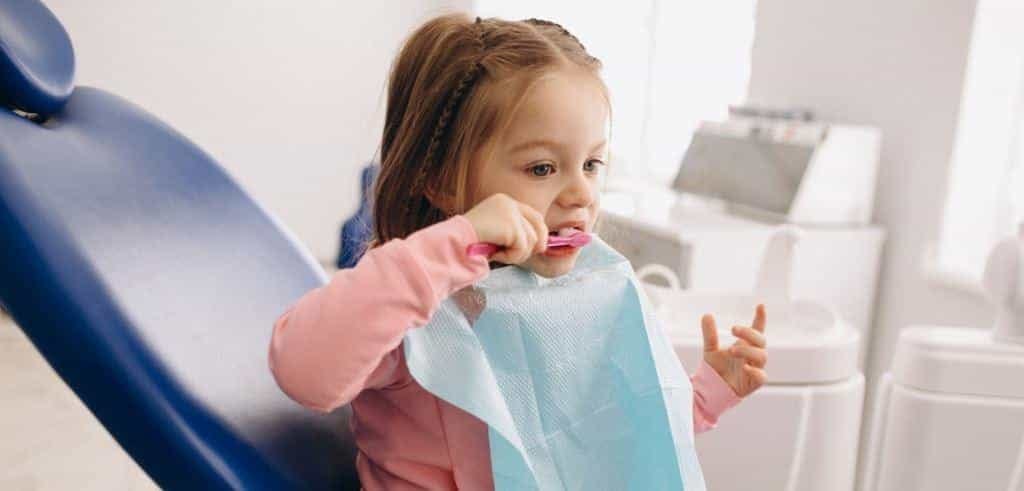
Discuss feeding and how often sugary foods and drinks are offered. Our diet and tooth decay guide offers practical ideas. Prevention reduces the risk of decay; it is not a promise that your child will never need treatment.
The dentist will recommend a review interval based on your child’s needs. If you notice pain, swelling or an injury between check-ups, seek dental advice rather than waiting for the next routine visit.
To arrange a first appointment or discuss support your child may need, contact the practice. Tell us their age and any concerns when you book.