Food and drink to help protect your child’s teeth
Originally published
What children eat and drink, and how often they have it, can affect their risk of tooth decay. Small changes to everyday routines can help, alongside brushing with fluoride toothpaste and dental checks. No special food or diet can guarantee that a child will stay free of decay.
Milk teeth help children eat and speak, and hold space for adult teeth. Our guide to looking after milk teeth explains why they need care from the start.
Keep sugary foods to mealtimes
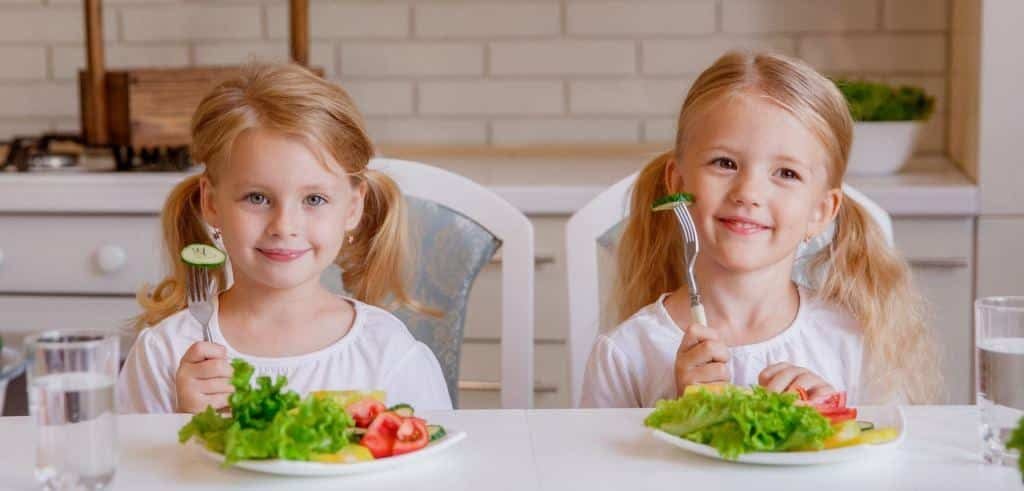
Both the amount of sugar and how often teeth are exposed to it matter. If your child has sweets, biscuits or cake, keep these to mealtimes rather than offering them repeatedly throughout the day. This does not mean giving a bigger portion: reducing the amount matters too.
For children old enough to need snacks, fresh fruit and vegetables are useful choices. Babies under one do not need snacks; if they seem hungry between meals, offer extra milk feeds instead. Keep the routine suited to your child’s age and needs.
Choose drinks with care
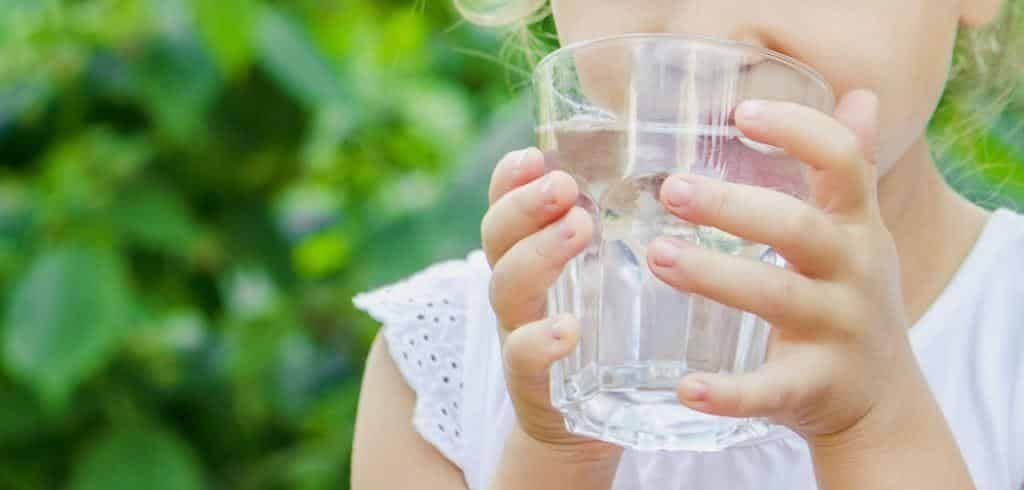
For older children, plain water and unsweetened milk are good everyday choices. Babies have different feeding needs: breast milk or first infant formula should remain their main drink during the first year. From around six months, offer sips of water with meals as solid foods are introduced.
Avoid sugary drinks in a baby’s bottle. For children who have juice or smoothies, keep them to meals rather than offering them to sip between meals. Babies under one do not need them. The NHS guide to drinks and cups gives age-specific advice.
Whole fruit and juice are different
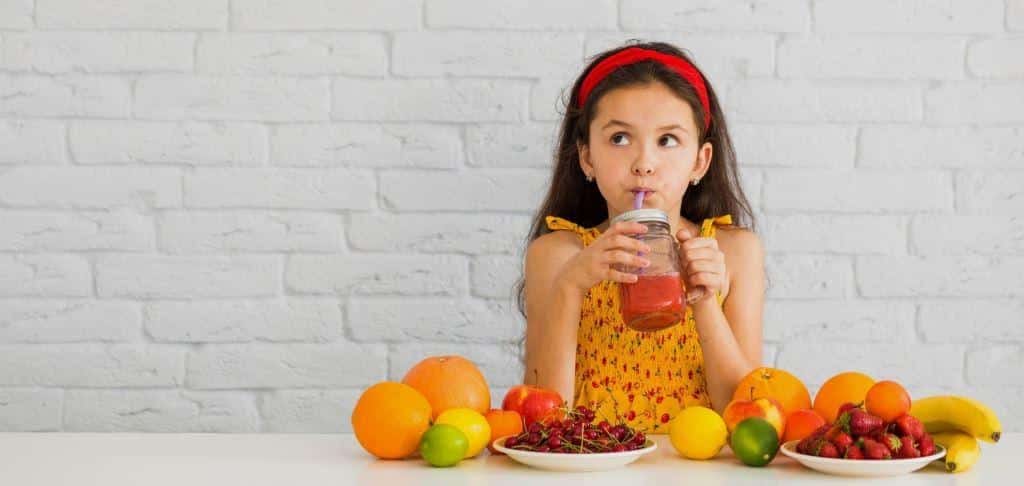
Whole fresh fruit is a healthy choice. There is no need to cut it out to protect your child’s teeth. Juice and smoothies release sugars that count as free sugars; they are not interchangeable with whole fruit for dental health. Dried fruit is best kept to mealtimes.
Repeated exposure to acidic drinks can also contribute to enamel erosion. Brushing immediately after every sweet or acidic drink is not a substitute for reducing that exposure. Keep to a regular twice-daily brushing routine and ask your dentist for advice if your child has signs of tooth wear.
Bottles and bedtime
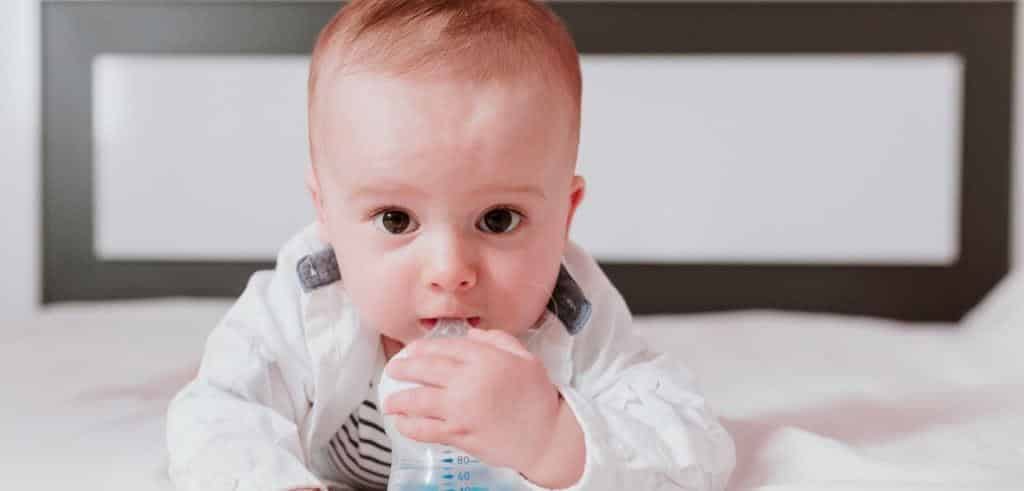
Introduce an open cup or a free-flow cup from around six months, and discourage bottle use after the first birthday. Do not put juice, sweetened drinks or added sugar in a bottle. Avoid letting a child fall asleep with a bottle of milk or a sugary drink resting in their mouth.
This is not a recommendation to replace a baby’s necessary milk feeds with water or to stop breastfeeding. If night feeds and tooth care are difficult to manage, discuss a practical routine with your health visitor or dentist.
Offer a varied diet
Include age-appropriate foods from different food groups, rather than relying on particular foods to prevent decay. Milk and dairy foods, or suitable alternatives, can contribute calcium; fruit, vegetables and other everyday foods provide a range of nutrients. Children with an allergy or a restricted diet may need individual advice.
For a closer look at common food claims, read food and healthy teeth: nine choices explained. It is a general guide, not a feeding plan for a baby.
Diet works alongside daily care
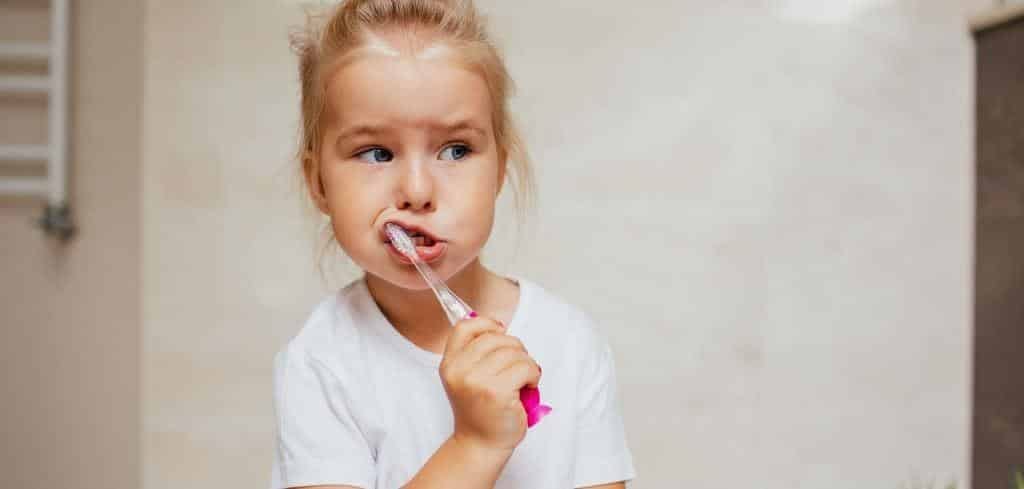
Start brushing as soon as the first tooth appears. Brush twice daily, last thing at night and on one other occasion, using an age-appropriate amount of fluoride toothpaste. Help your child brush and encourage them to spit out rather than rinse. Our guide to choosing children’s toothpaste explains fluoride levels and amounts by age.
Arrange the first dental visit when your child’s first milk teeth appear, or before they are 12 months old if no teeth have appeared yet. Your dentist will recommend the interval between later checks according to your child’s needs. Do not wait for pain before arranging a first visit, and seek advice if pain or another concern develops between appointments.
To discuss your child’s teeth or book an introductory visit, contact Medical-Dent.