Food and healthy teeth: 9 common choices explained
Originally published
What you eat and drink matters for your teeth, but no single food can prevent decay or replace brushing. Some familiar foods fit well into a balanced diet; others have acquired dental health claims that go beyond the evidence. Here is a closer look at nine of them.
1. Fruit
Whole fresh fruit is a healthy choice, including as a snack. There is no need to avoid grapes or cherries simply because they contain natural sugars. Fruit juice and smoothies are different: their sugars count as free sugars, so keep them to mealtimes and limit them to a combined total of 150ml a day. Dried fruit is best eaten with meals too.
Acidic foods and drinks can contribute to enamel erosion, which is different from tooth decay. If you have signs of tooth wear, ask your dentist about your diet rather than cutting out fruit altogether. An apple does not clean your teeth in place of a toothbrush.
2. Vegetables
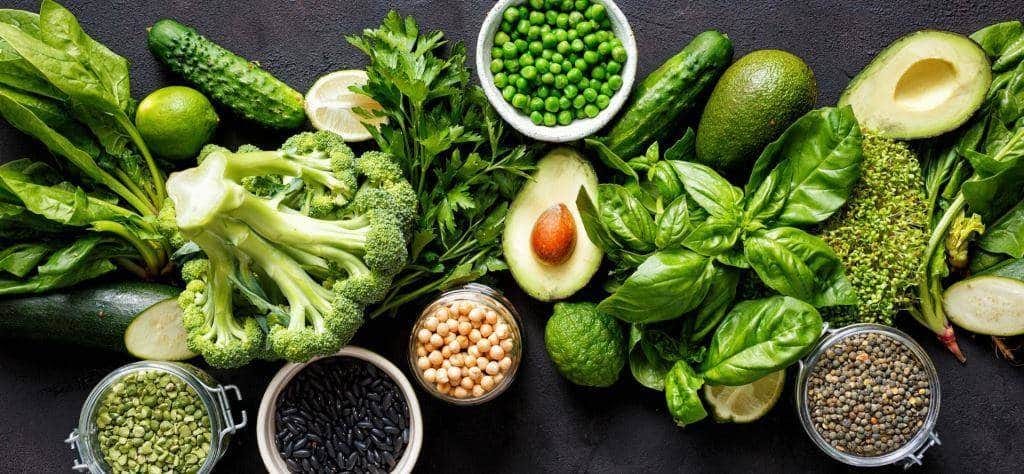
Include a variety of vegetables in your meals. Broccoli, carrots and leafy greens can all contribute to a balanced diet, but eating them is not a treatment for gum disease. Crunchy vegetables do not replace the daily removal of plaque with a toothbrush and cleaning between your teeth.
3. Dairy foods and alternatives
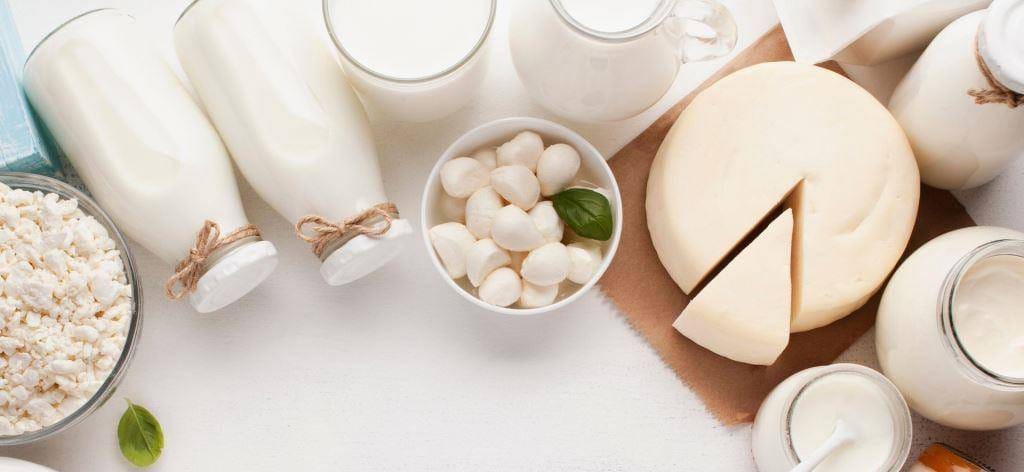
Milk, cheese and plain yoghurt provide calcium. If you avoid dairy, look for unsweetened alternatives fortified with calcium and check the label, as products vary.
Dairy foods are not a guarantee against decay, and cheese does not treat inflamed gums. Ordinary cows’ milk in the UK is also generally not a good source of vitamin D. The NHS guidance on vitamin D explains food sources and advice about supplements.
4. Fish
Oily fish, such as salmon and mackerel, provide vitamin D. Fish can be part of a balanced diet, but eating it does not repair a cavity or remove the need for dental treatment. There is no need to build your meals around claims that a particular fish will strengthen your teeth.
5. Nuts
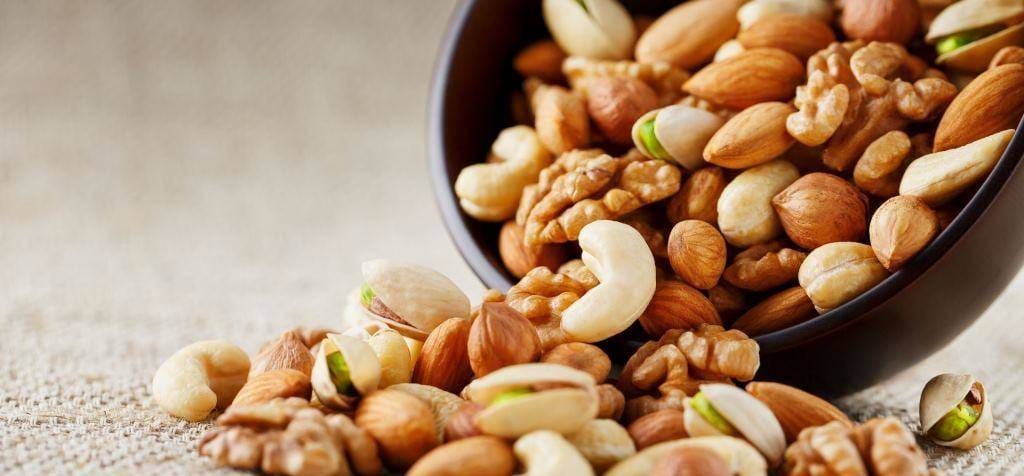
Plain, unsalted nuts can add variety to your diet if you can eat them safely. Choose them without sugary coatings. Claims that nuts prevent receding gums or supply all the nutrients your teeth need should not guide your dental care.
Do not give whole nuts to children under five because of the choking risk. Avoid nuts if you are allergic to them.

6. Wholegrain bread
Wholegrain bread and other wholegrain starchy foods provide fibre and can form part of everyday meals. They are not a remedy for tooth decay. You do not need to calculate a special magnesium-to-calcium ratio to protect your teeth; follow advice tailored to you if a clinician has identified a nutritional deficiency.

7. Tea
Tea without added sugar can be an alternative to sugary drinks. Water is another straightforward choice. Adding sugar or honey changes the picture, and repeatedly sipping acidic drinks may matter if you have tooth wear.
Do not use a set number of cups of green tea as a fluoride prescription. Tea does not replace brushing with fluoride toothpaste.
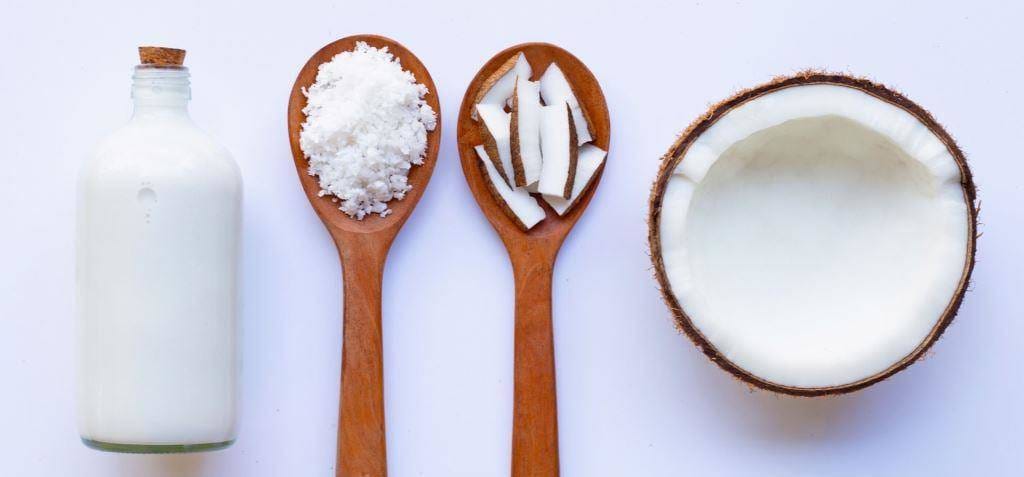
8. Coconut oil
Swishing coconut oil around your mouth, often called oil pulling, is sometimes promoted as a way to prevent decay or whiten teeth. The American Dental Association does not recommend oil pulling as a dental hygiene practice because reliable evidence for these benefits is lacking. Keep coconut oil separate from your dental care routine rather than using it instead of fluoride toothpaste or treatment.
9. Seaweed
Seaweed should not be treated as a dental supplement or a substitute for a balanced diet. A claim about its mineral content alone does not show that eating it will prevent tooth decay.
There is also a specific concern about hijiki: the Food Standards Agency advises against eating it because of its high levels of inorganic arsenic. This warning concerns hijiki, not all seaweed.
Keep the daily routine simple
Reduce how often you have sugary foods and drinks, especially between meals and at bedtime. Brush twice a day for about two minutes with fluoride toothpaste, spit out afterwards without rinsing, and clean between your teeth daily.
Your dentist will recommend a check-up interval based on your oral health; not everyone needs the same six-month schedule. If you have concerns about your teeth or gums, contact Medical-Dent for advice or an appointment.