
10 ways to encourage your child to brush their teeth
Originally published
Getting a child used to brushing their teeth can take patience. A familiar routine and a little play can help make it part of everyday life. Here are ten ideas to try, along with advice on choosing toothpaste and helping your child brush.
Why looking after milk teeth matters
Milk teeth need care even though they will eventually fall out. Tooth decay can cause pain and may mean a child needs dental treatment. Starting a brushing routine early also helps children get used to looking after their teeth.
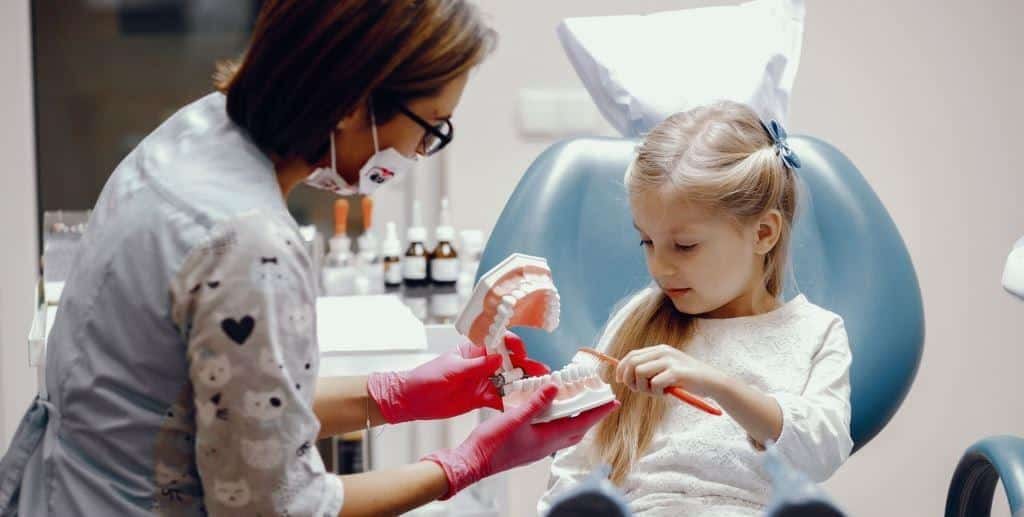
Try to make dental visits a familiar experience before your child has toothache. Take them to the dentist when their first milk teeth appear, or before they are 12 months old. Our guide to your child’s first dental visit explains what to expect. To arrange a visit, contact the practice.
You can also read about looking after children’s milk teeth.
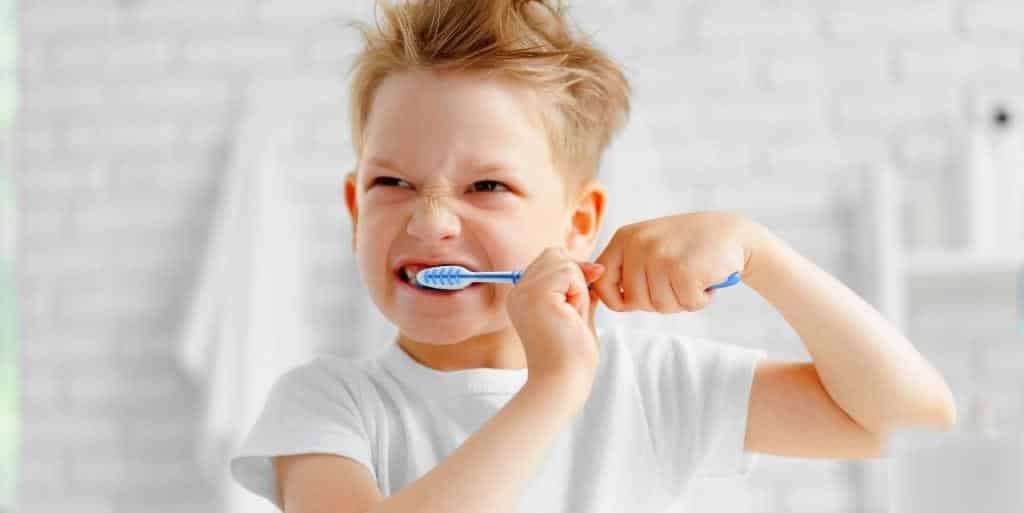
Build a routine through play
Not every child enjoys brushing straight away. Keep your approach calm and encouraging, and try different ideas to find out what works for your family. If brushing is painful or consistently difficult, ask your dentist for advice.
Brush twice a day for about two minutes, including last thing at night. Help your child brush until they are at least seven, even when they want to have a go themselves.
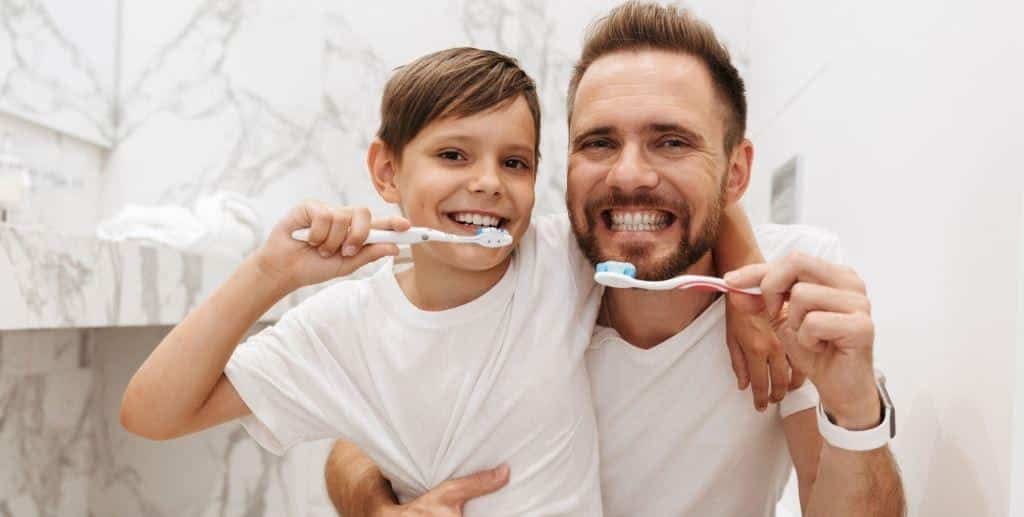
1. Brush together
Let your child watch you brush, then give them a chance to try. This helps them get used to holding a toothbrush and following the same routine each day. Their early attempts are practice: you will still need to help them clean their teeth thoroughly.
2. Explain why teeth need care
Talk about what teeth do and why we look after them, using words your child understands. Avoid threats such as “your teeth will fall out”. A simple, positive explanation is more reassuring than making brushing sound frightening.
3. Try a toothbrushing song
Choose a song to play or sing while you brush together. A familiar tune can make the routine more enjoyable and help your child know what to expect.
4. Read or watch stories about brushing
Look for books or programmes in which characters brush their teeth as part of their day. Seeing a favourite character do it can give you a useful starting point for talking about your child’s own routine.

5. Let your child choose their toothbrush
Offer a choice of age-appropriate toothbrushes, perhaps in different colours or with a favourite character. A timer can also help make brushing time easier to follow.
If your child dislikes a toothpaste’s flavour, try another suitable fluoride toothpaste. Check the fluoride concentration on the packaging:
- Under three: use a smear of toothpaste containing at least 1,000 ppm fluoride, unless your dentist advises otherwise.
- Ages three to six: use a pea-sized amount containing 1,000–1,500 ppm fluoride.
- From age seven: use toothpaste containing 1,350–1,500 ppm fluoride.
Encourage your child to spit out toothpaste after brushing without rinsing. Do not encourage them to swallow it or let them eat or lick it from the tube. See the NHS advice on children’s teeth for more guidance.
6. Use a sticker chart
Mark each brushing session with a sticker or stamp. You could also celebrate their efforts with a favourite activity together. Keep the focus on encouragement and building a routine.
7. Try a brushing timer or app
A simple timer or an age-appropriate toothbrushing app can help your child follow the routine. Use it together so that watching the screen does not take over from brushing.
8. Ask about plaque-disclosing products
Plaque-disclosing tablets or liquids colour plaque to show areas that have been missed. Ask your dentist whether a product is suitable for your child, and follow its age restrictions and instructions. Do not assume that every product is suitable for toddlers.
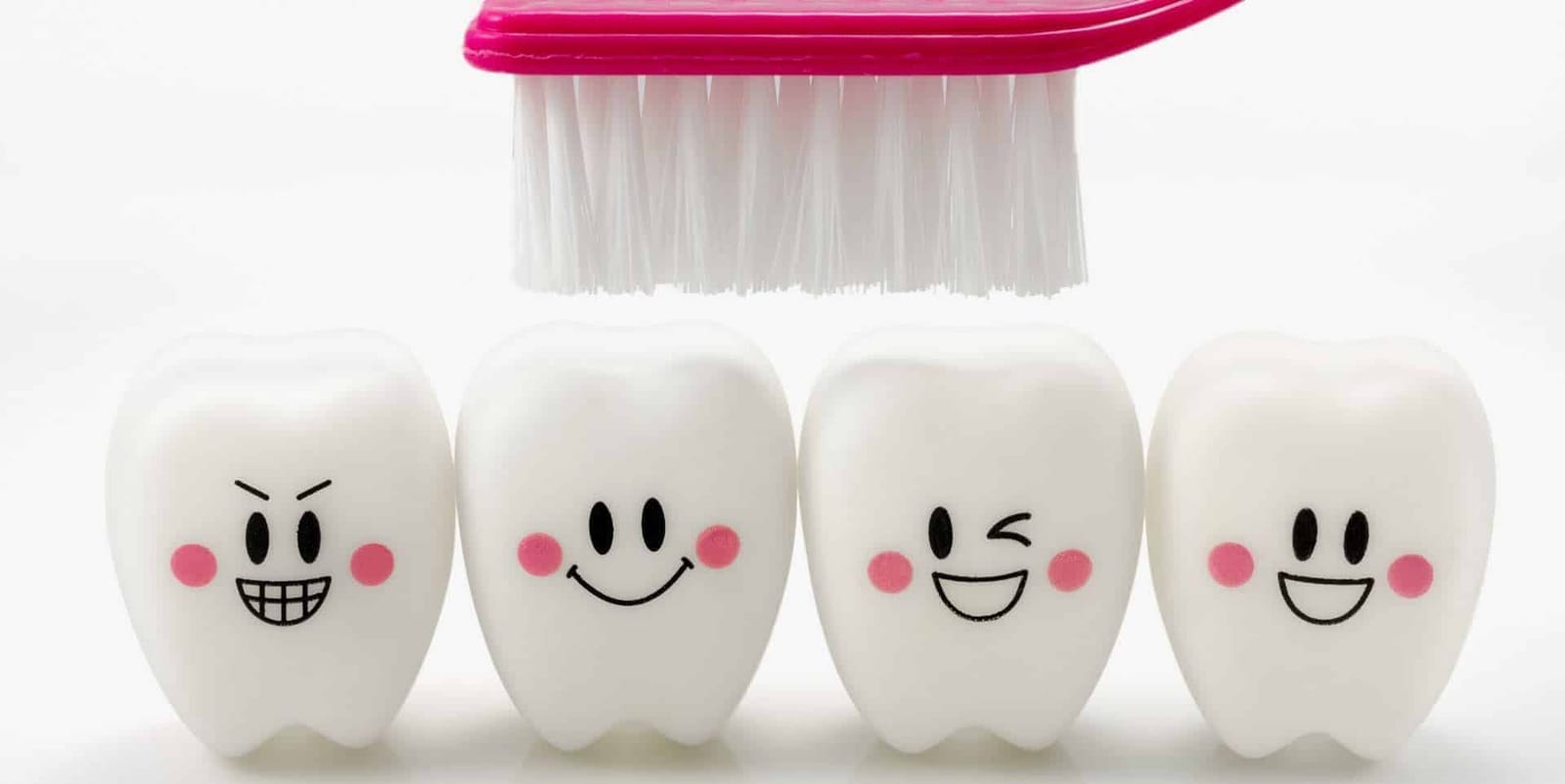
9. Give the teeth names
Turn brushing into a game by giving teeth names and visiting each one with the toothbrush. Make sure the game includes cleaning every tooth surface, rather than just the teeth your child can easily see.
10. Offer a simple choice
Instead of asking whether your child wants to brush, offer a choice within the routine: “Shall we use the blue toothbrush or the green one?” or “Who will brush first?” This gives them a part to play while keeping brushing a regular part of the day.
Keep up regular dental visits
Different ideas suit different children, so give yourself time to find a routine that works. Brushing and regular dental check-ups work together: your dentist can look for problems and advise on prevention and the timing of the next visit.
Read about preventive dental care for children, or book a consultation if you would like advice. You can also follow the practice on Facebook.