Tooth decay in milk teeth: treatment or extraction?
Originally published
Milk teeth help children eat and speak, and some hold space for the permanent teeth. Decay needs attention even though these teeth will eventually fall out. The aim is to keep your child comfortable and manage disease with an approach suited to their teeth and needs.
Spotting a problem early
Decay develops when acids produced by plaque bacteria damage the tooth. Frequent sugary snacks or drinks increase the risk. Early decay may not hurt; changes in colour, sensitivity, pain when eating or a visible hole are reasons to arrange an examination.
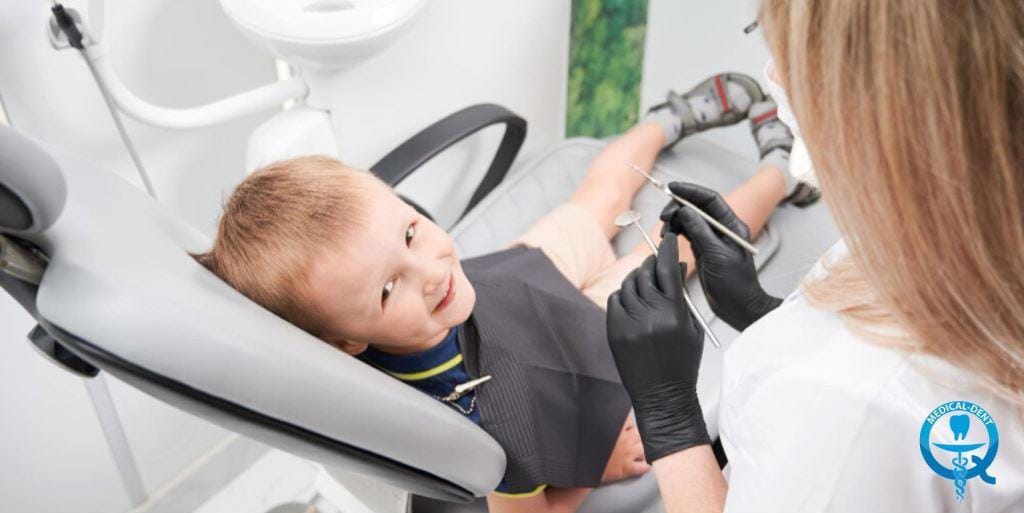
Do not wait for a tooth to turn black or for your child to complain. A dentist can assess changes that are difficult to spot at home. Dark colour alone does not show how much treatment a tooth needs, as our guide to dark teeth in children explains.
How is treatment chosen?
The dentist considers the depth of decay, pain or infection, how long the tooth is likely to remain, and what your child can comfortably manage. The SDCEP guidance on children’s decay recommends the least invasive feasible approach and involving families in decisions.
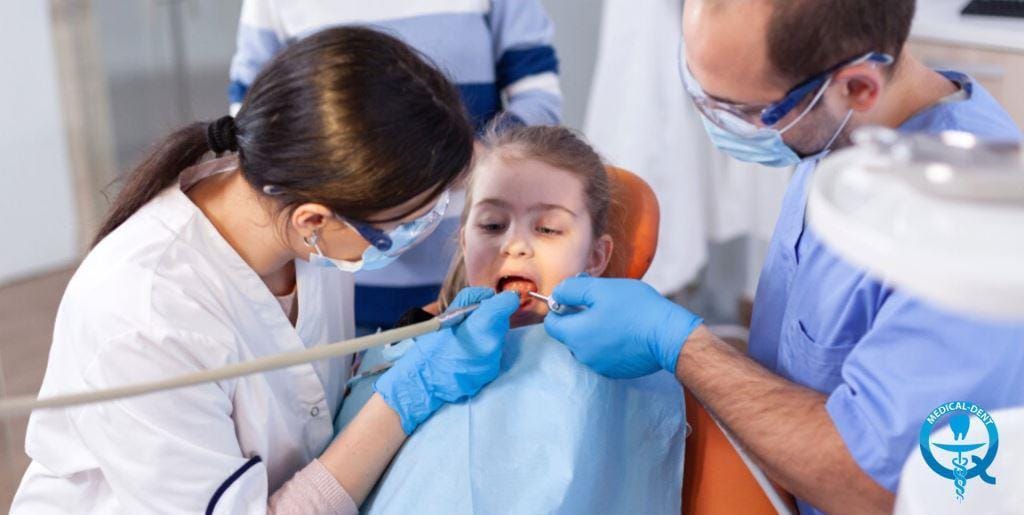
Options may include prevention with close monitoring, a filling or a preformed crown that seals the tooth. Selected teeth may benefit from treatment of the pulp. This is not simply the same procedure as routine root canal treatment in an adult tooth. The SDCEP treatment options show why management varies with the lesion.
Monitoring is an active plan with prevention and review, not permission to leave decay or infection unchecked.
When might a milk tooth be removed?
Extraction may be appropriate when a tooth cannot be managed satisfactorily, particularly with infection or a poor outlook. In some cases specialist pulp treatment may be considered. The dentist will explain the choices and how to make treatment manageable for your child.
Keeping every tooth at any cost is not the goal. Equally, decay does not automatically mean extraction. If a tooth is lost early, ask whether its position and your child’s dental development make space management relevant. Do not assume that one extraction inevitably causes speech problems, crooked teeth or lifelong loss of confidence.
Preventing further decay
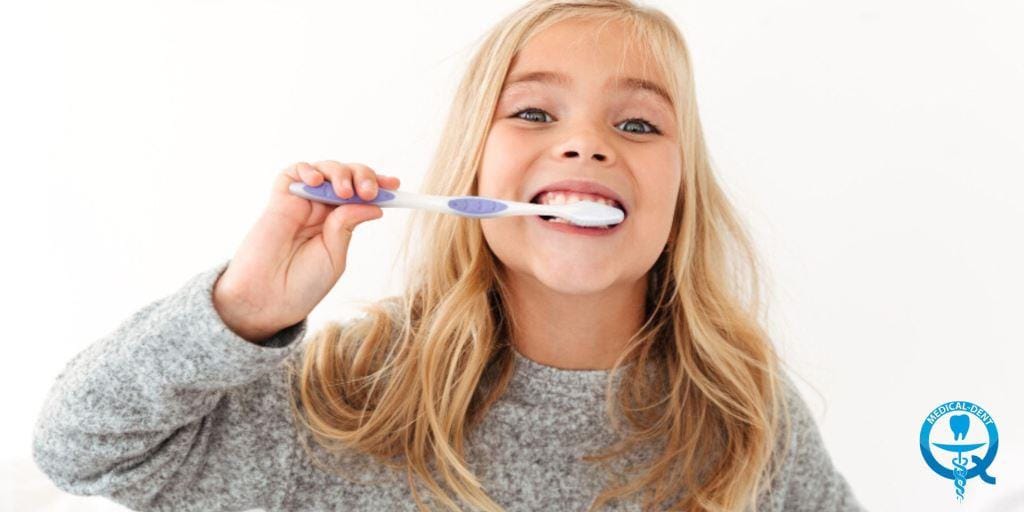
Brush twice daily with fluoride toothpaste, including before bed. An adult should help young children and supervise until they can brush effectively. Use a smear under age three and a pea-sized amount from three to six, with the fluoride concentration appropriate for age and the dentist’s advice. Encourage spitting without rinsing when your child can spit.
Our children’s toothpaste guide and the NHS advice on children’s teeth explain the details. Fluoride protection is not a reason to give supplements without advice.
Limit how often sugary foods and drinks are offered, and follow the dentist’s recommended review interval. Prevention reduces risk but does not promise that no treatment will ever be needed.
Book an assessment if you notice changes. Pain with facial swelling or fever needs urgent dental advice; call NHS 111 if you cannot access a dentist. Call 999 or go to A&E for breathing or swallowing difficulty or severe mouth or eye swelling. See the NHS abscess advice.