Dark or black teeth in children: causes and what to do
Originally published
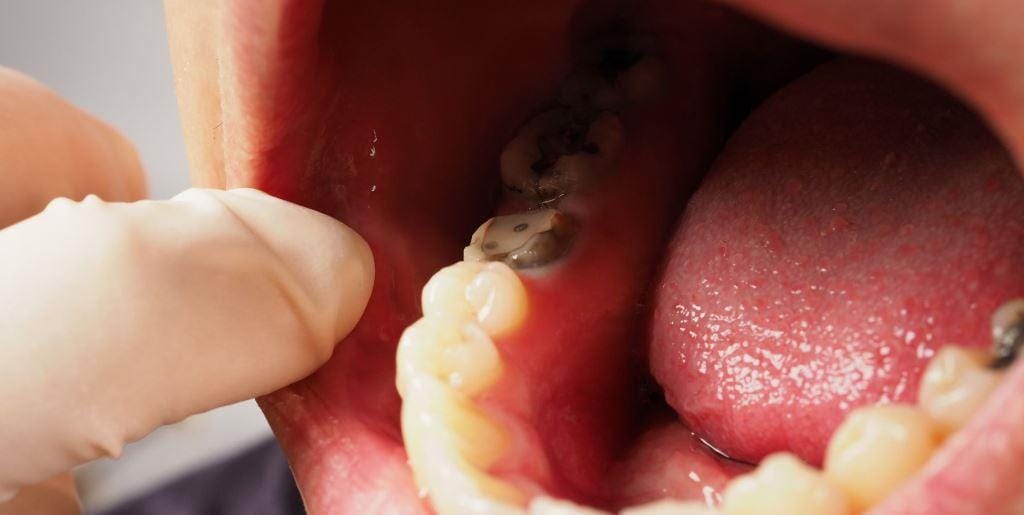
A brown, grey or black area on your child’s tooth needs a dental assessment. Colour alone cannot tell you whether there is decay, whether the tooth is alive or what treatment it needs. A dark tooth does not automatically need to be removed.
Tooth decay
Decay can change the appearance of a tooth, but it does not always start as a dark patch. It may be present before a child feels pain. Book a dental appointment rather than waiting for the tooth to hurt or for a baby tooth to fall out.
Treatment depends on how much of the tooth is affected, whether there is infection and what your child can manage. A dentist may recommend preventive care, a filling, a crown or another treatment. Sometimes removal is necessary, but it is not the only option for a decayed baby tooth.
A colour change after an injury
Tell the dentist about any fall or knock, even if it happened some time ago. An injured tooth can change colour later, and follow-up may be needed. East Kent Hospitals describes delayed changes after dental trauma. Do not decide from a photograph or the colour alone that the tooth is dead or needs extraction.
Previous dental treatment
Some treatments can also darken a tooth. For example, silver diamine fluoride (SDF), which a dentist may use to help stop decay progressing, permanently blackens the decayed area. This is an expected effect and should be discussed before treatment. It does not remove the need for brushing, follow-up or further treatment if decay continues. The British Society of Paediatric Dentistry’s SDF leaflet explains this in more detail.
If your child’s tooth changed colour after treatment, ask the treating dentist which material was used. SDF is one example; not every darkened tooth has received it, and this article does not establish whether it is suitable for your child.
When to get help
Arrange a dental appointment for a new or unexplained colour change. Seek urgent dental advice for pain, swelling, fever or a suspected abscess. If you cannot reach a dentist, NHS 111 can help you find urgent care. Call 999 or go to A&E if your child has difficulty breathing or swallowing, or swelling around the eye. See the NHS advice on dental abscesses.
Looking after the other teeth
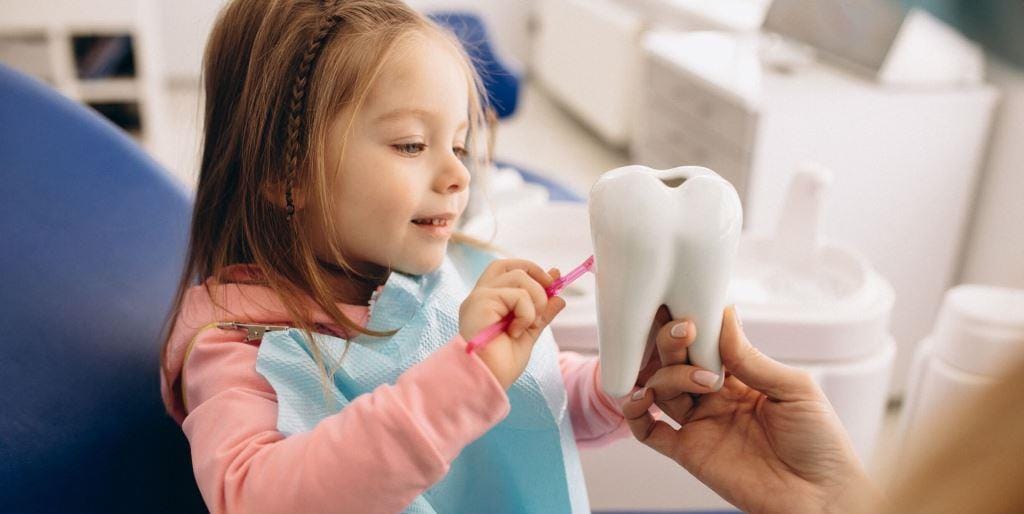
Help your child brush twice a day with an age-appropriate amount of fluoride toothpaste, and keep sugary foods and drinks to mealtimes. Our guides to children’s toothpaste and caring for baby teeth explain the practical steps. You can also contact us to arrange an assessment.