
Root canal treatment in the UK: what to expect
Originally published
Root canal treatment, also called endodontic treatment, treats a problem in the soft tissue inside a tooth. This tissue is called the pulp and contains nerves and blood vessels. When it becomes irreversibly inflamed or infected, treatment may allow the tooth to be kept.
The decision depends on the condition of the whole tooth, including whether it can be restored afterwards. A painful tooth does not automatically need root canal treatment, and some teeth needing treatment have few symptoms.
When might it be needed?
Deep decay, a crack, an injury or problems around an existing restoration can affect the pulp. You may notice lingering sensitivity, pain when biting, swelling or a change in tooth colour. An examination, tests and usually X-rays help the dentist identify the cause.
Not every crack can be treated successfully. The position and extent of the damage, the supporting tissues and the amount of sound tooth left all affect the options. Sometimes referral to an endodontist, a dentist specialising in this treatment, is appropriate.
Our guide to tooth decay explains how decay develops and how to reduce the risk.
What happens during treatment?
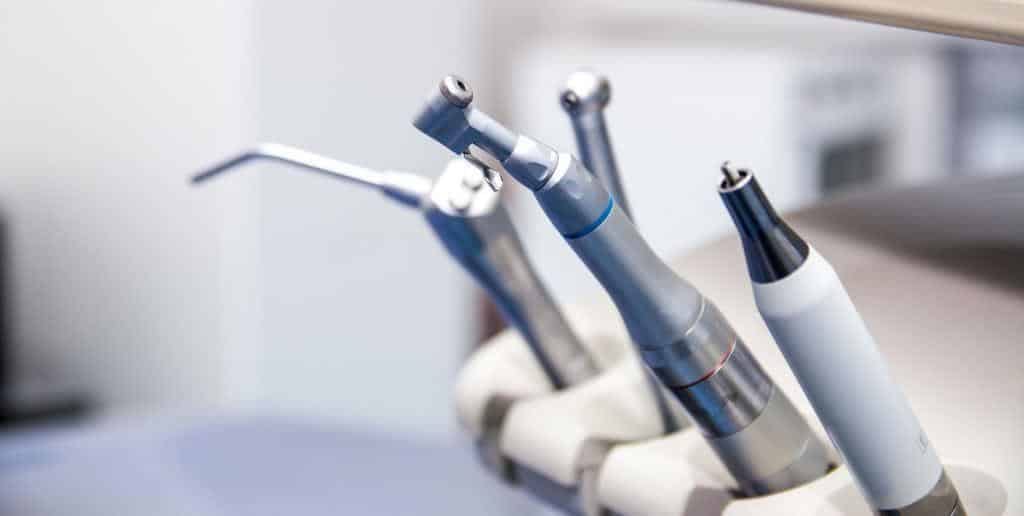
The dentist normally uses local anaesthetic and isolates the tooth with a rubber dam to help keep it clean and protect your mouth. They make an opening, remove the affected pulp, then clean and shape the root canals using fine instruments and disinfecting solutions.
The canals are filled and sealed, commonly using a rubber-like material called gutta-percha with a sealer. Gutta-percha may be softened during some techniques; it is not simply a liquid that restores the tooth’s strength or guarantees that infection cannot return.
Treatment may take more than one appointment, with a temporary filling between visits. A microscope can help the dentist see small details, but it cannot guarantee success. Read more in our guide to treatment under a microscope.
The NHS root canal guide describes the main stages and recovery.
Restoring the tooth afterwards
Filling the canals is only part of the treatment. The upper part of the tooth also needs a suitable seal and restoration. Depending on the remaining tooth and the biting forces, this may be a filling, an onlay or a crown.
Ask when the final restoration should be fitted and what to avoid chewing in the meantime. Our guide to restoring a root-treated tooth explains why this stage matters.

Medical conditions, pregnancy and medicines
Tell your dentist about your health conditions, medicines, allergies and any advice from a specialist. Heart, kidney or joint disease does not automatically rule out root canal treatment, nor does it mean that everyone needs preventive antibiotics. The team will assess any additional precautions individually.
Antibiotics are not a substitute for treating the affected tooth. They are used when there is a clinical indication, such as spreading infection, rather than routinely for every root canal procedure.
If you are pregnant or breastfeeding, tell the dentist so that medicines and care can be chosen appropriately. Necessary dental treatment should not simply be postponed until after pregnancy. Your dentist can liaise with your medical team when needed; routine care does not always require separate permission from an obstetrician.
If you are worried about treatment
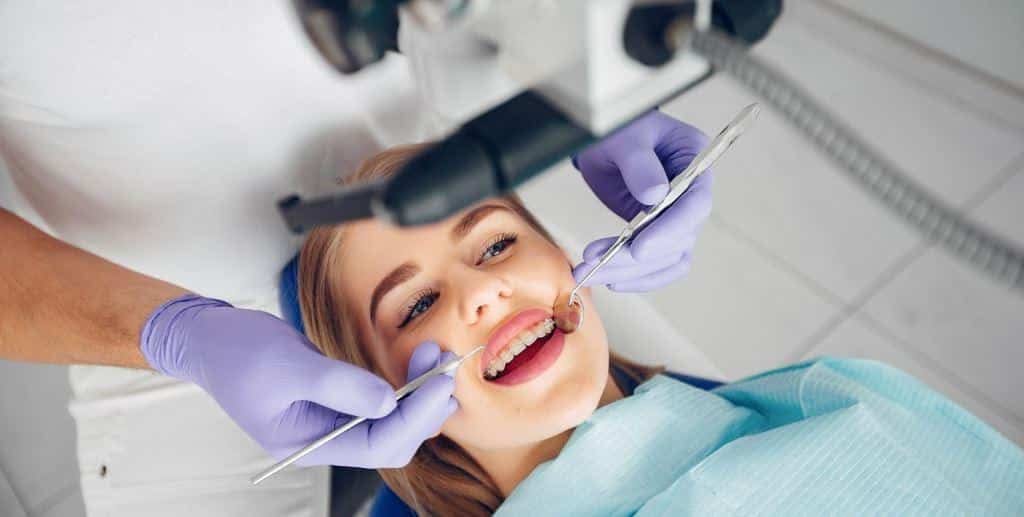
Tell the team before the appointment. You can discuss local anaesthetic, breaks and a signal to pause. If something hurts during treatment, let the dentist know so they can respond. A particular anaesthetic device cannot promise a completely painless or anxiety-free experience.
Some tenderness afterwards is common, but increasing pain or swelling needs advice. Follow the aftercare instructions and attend reviews. Root canal treatment can fail or need further treatment, so a good result at the first appointment is not a lifetime guarantee.
Brush with fluoride toothpaste twice daily and clean between your teeth. These habits reduce dental disease but cannot prevent every injury or need for treatment. Contact the practice to arrange an assessment and discuss a written treatment plan.