
Fillings, onlays and crowns after root canal treatment
Originally published
Root canal treatment deals with the pulp and canals inside a tooth. The part above the gum also needs a secure restoration so that you can use the tooth and keep it clean. This may be a filling, an onlay or a crown, depending on how much sound tooth remains and the forces it needs to withstand.
Completing the root filling does not, on its own, guarantee that the tooth has healed or that it can be left with a temporary repair indefinitely.
Why the final restoration matters
A tooth needing root canal treatment may already have lost a substantial amount of tissue through decay, fracture or previous fillings. The opening made for treatment also needs to be sealed. The risk of fracture depends on the remaining structure and the bite, rather than every treated tooth becoming equally weak.
The restoration helps protect against leakage and damage, but cannot remove every risk of reinfection or fracture. Your dentist will explain the outlook for the tooth and whether further treatment is needed before the final restoration.
Our root canal treatment guide covers the earlier stages.
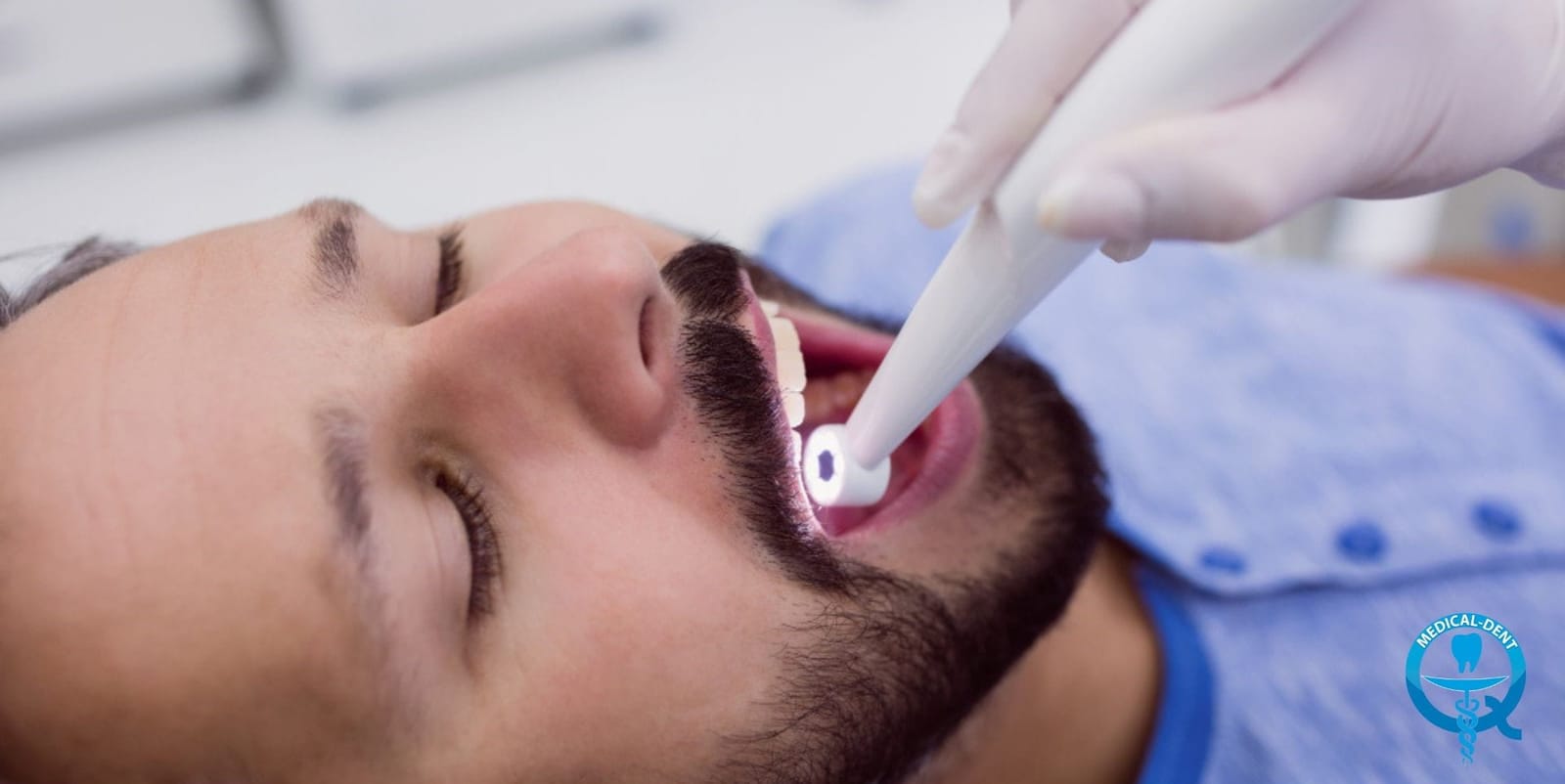
A filling, onlay or crown?
A direct composite filling may be appropriate where enough sound tooth remains. It is placed and shaped in the mouth, then hardened and checked against the opposing teeth.
An onlay covers part of the biting surface, including weakened cusps where needed. A crown covers more of the tooth. Teeth exposed to heavier chewing forces or with extensive damage may need this added coverage. The dentist will explain why a particular design is recommended rather than assuming that every root-treated tooth needs the same restoration.
A temporary filling serves a different purpose: it seals the tooth between stages. It is not simply a cheaper permanent alternative. Our guide to filling materials explains the broader options.
When should it be done?
Agree the timing before you finish root canal treatment and book the follow-up. The dentist will assess symptoms, the condition of the tooth and any relevant X-rays. Healing may need monitoring; an immediate appearance of success is not proof of a permanent cure.
A direct filling and a laboratory-made restoration involve different steps, so there is no single 30–60 minute appointment time for every case. Ask how many visits are planned, whether you will have a temporary restoration and what to do if it comes loose.
Looking after the tooth between appointments
Until the final restoration is fitted, avoid heavy biting or hard foods on the treated tooth and follow the dentist’s instructions. Contact the practice if a temporary filling comes out, the bite feels uneven or symptoms return.
Some tenderness after root canal treatment can occur. Increasing pain, swelling or symptoms that are not settling need advice. A tooth without its original pulp can still hurt because the tissues around it remain sensitive.
The American Association of Endodontists’ aftercare guide explains why follow-up and protecting the tooth are important.
Care after the final restoration
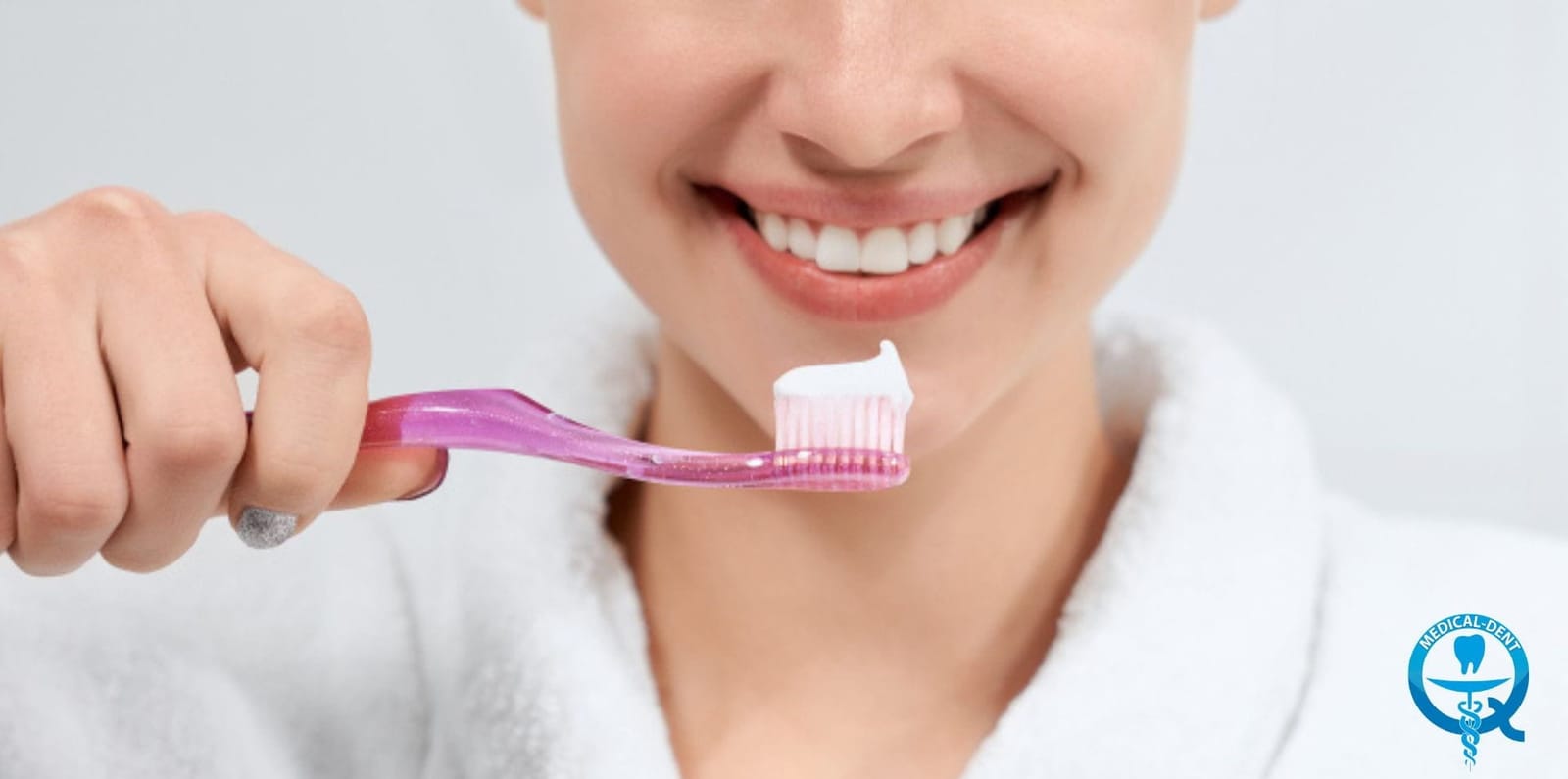
Brush twice daily with fluoride toothpaste and clean between your teeth. Spit out the toothpaste without rinsing straight afterwards. Mouthwash is not essential for everyone and should be used at a different time if recommended.
Avoid chewing hard objects and tell the dentist if you grind or clench your teeth. Attend reviews at the interval advised. Good care supports the restoration, but it may still need repair or replacement in the future.

Costs to discuss
Our combined root canal treatment fees include treatment, treatment X-rays and a core build-up. For an incisor, the fee is £450 without a microscope or £550 with a microscope.
The build-up is already included in those totals. Crowns and onlays, if needed, are priced separately. Other tooth types and retreatment have their own listed fees.
See the current dental fees and ask for a written estimate of the full proposed treatment. For possible instalments, use the practice’s current finance information and check the applicable terms. You can contact the practice to discuss your plan or arrange the next appointment.