
Tooth fillings in the UK: materials, care and costs
Originally published
A filling replaces part of a tooth that has been lost through decay or damage. It can restore shape and function, but the right treatment depends on the size and position of the problem and the health of the rest of the tooth.
A cavity may cause sensitivity or pain, although decay can also develop without symptoms. Arrange an assessment if a tooth breaks, a filling is lost or you notice a persistent change. Pain alone does not tell you how large a filling is needed.
What happens when a filling is placed?
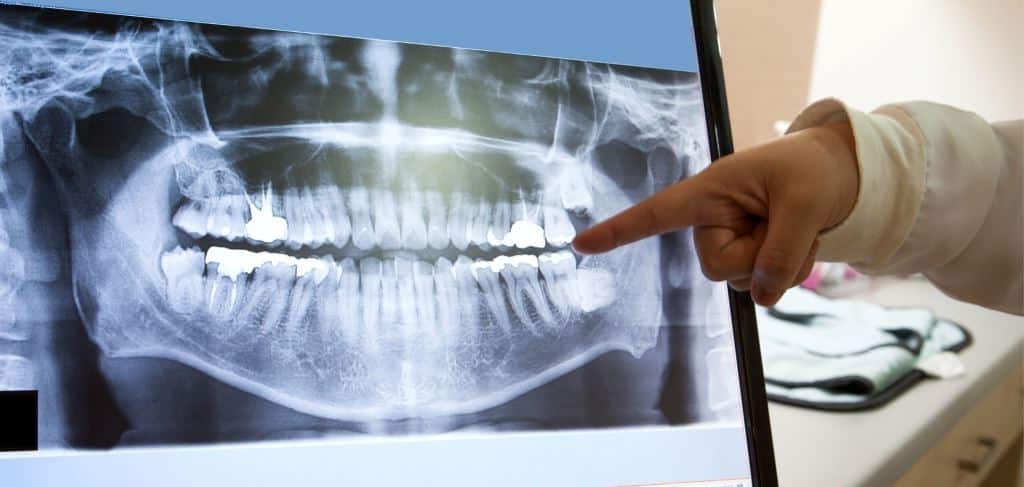
The dentist examines the tooth and may take an X-ray. They explain the options, including whether a filling can provide enough support. Local anaesthetic can be used when needed.
The tooth is prepared, and the material is placed and shaped. With a composite filling, it is usually bonded to the tooth and hardened with a curing light. The dentist checks the bite and finishes the surface.
The approach to removing decay depends on its depth. The aim is to control the disease and create a sound seal while preserving as much useful tooth as possible. Very deep decay may need a different plan to protect or treat the pulp inside the tooth.
Which materials might be used?
Composite is a tooth-coloured resin-based material that can be matched to the surrounding teeth. It is used in many front and back teeth, but a large damaged area may need more support than a direct filling can provide.
Glass ionomer is another material used in selected situations, including some fillings in milk teeth. It releases fluoride, but its strength and wear characteristics differ from composite. The dentist will explain the trade-offs for the particular tooth.
An inlay, onlay or crown may be considered when a tooth needs a different type of restoration. These are made to fit the tooth rather than simply being interchangeable versions of a small filling. Our guide to restoring a root-treated tooth discusses situations where more protection may be needed.
A temporary filling protects a tooth between stages of treatment. It needs the planned follow-up and should not be treated as a permanent repair.
What about an existing silver filling?
If an amalgam filling is working well, its colour alone does not mean it must be removed. Replacement involves further treatment and can remove additional tooth tissue. Ask the dentist to assess its condition and discuss the benefits and risks if you want a change.
The Oral Health Foundation’s white fillings guide explains material choice and why sound fillings are not routinely replaced.

How long will a filling last?
There is no fixed lifespan for every filling. Its size, position, your bite and oral care all matter. A restoration may need repair or replacement if it wears, breaks or develops decay around it.
Keep brushing with fluoride toothpaste and cleaning between the teeth. Tell the dentist if a filling feels high when you bite or if sensitivity persists or worsens. Severe pain or swelling needs prompt advice rather than waiting for the next routine check-up.
Costs and planning treatment
See our current fees for fillings for the available categories. The dentist will confirm which applies to your tooth. Our listed composite reconstruction fee is £190. A reconstruction is not automatically the treatment needed for every large cavity.
If the pulp needs root canal treatment, that is a separate part of the plan and may be followed by a filling or crown. Ask for a written estimate covering the full proposed treatment, including any examinations or other charges.
If you are considering instalments, read the practice’s current finance information for eligibility and terms. Contact the practice if you would like an assessment or help understanding the options.