
Root canal treatment with a microscope: what to expect
Originally published
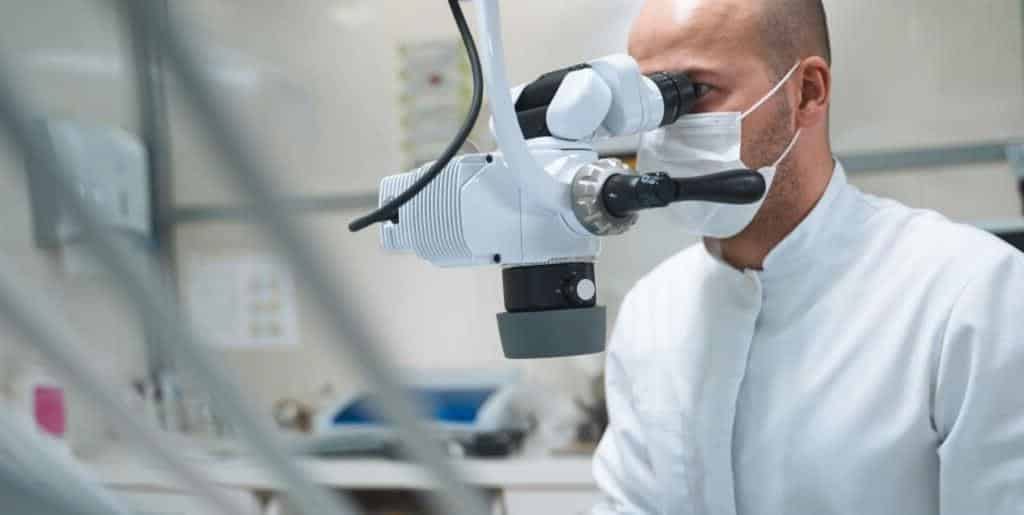
A dental microscope provides magnification and lighting to help a dentist see small details inside a tooth. It can assist root canal treatment, particularly when the anatomy is difficult to see, but it does not guarantee that every tooth can be saved.
When might root canal treatment be needed?
The pulp is the soft tissue inside a tooth, containing nerves and blood vessels. Decay or an injury can damage it and may lead to infection. Your dentist will assess the tooth, its symptoms and any necessary X-rays before recommending treatment.
A deep cavity or a chipped tooth does not automatically require root canal treatment. The decision depends on the condition of the pulp and whether the tooth can be restored. Gum disease also needs appropriate assessment; root canal treatment is not a general treatment for gum problems.
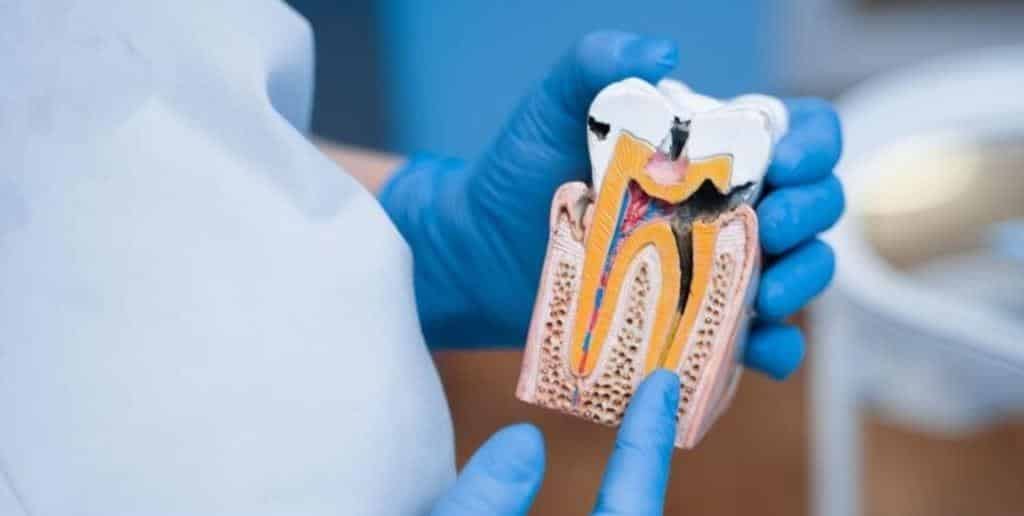
Where root canal treatment is appropriate, the aim is to treat the affected tissue inside the tooth and retain the tooth. Extraction may be an alternative if the tooth cannot be predictably restored. See the NHS explanation of root canal treatment for an overview.
What does the microscope add?
Root canals vary in shape and size; they do not all have one fixed diameter. Magnification can help locate canal openings and fine details that are difficult to see unaided. It can also help with some problems encountered during repeat treatment.
The American Association of Endodontists describes the uses of microscopes, including finding additional canals and preserving tooth structure. This does not mean that the equipment guarantees a perfect seal, a shorter appointment or a successful outcome in every case.
During and after treatment
Local anaesthetic is usually used. Tell the dentist if you feel pain so they can assess your comfort. The affected pulp is removed, the canals are cleaned and shaped, and the space is filled and sealed. Treatment may take several appointments, with a temporary filling between them.
The tooth then needs an appropriate final restoration, which may include a crown. Discuss this stage as part of the plan, along with follow-up and the possibility of further treatment if healing is incomplete. Some soreness can occur afterwards; contact the dentist if symptoms worsen or do not settle as expected.
Fees and booking
Our microscope-assisted root canal fees include treatment, treatment X-rays, a core build-up and use of the microscope. For an incisor, first-time treatment with a microscope costs £550. The microscope and build-up are already included in that total.
Other tooth types and retreatment have their own listed fees, with separate options with and without a microscope. Crowns and onlays, if needed, are priced separately. See our dentistry fees and ask for a written estimate of your treatment plan.
For payment options, see the current finance information. Contact the practice for an assessment.
If you suspect an abscess, seek an urgent dental appointment or call NHS 111. With difficulty breathing or swallowing, or severe swelling affecting the mouth or eye, call 999 or go to A&E. The NHS dental abscess guide explains these warning signs.