Tooth decay: causes, prevention and treatment
Originally published
Tooth decay, also called dental caries, damages the hard tissues of a tooth. It can affect children and adults, and early changes may cause no pain. Finding a problem early can make it possible to manage it before a cavity develops.
Dentine is the layer beneath the enamel. It is part of the tooth, not another name for tooth decay.
How does tooth decay develop?
Bacteria in dental plaque use sugars from food and drinks to produce acids. Repeated acid attacks can remove minerals from the tooth surface. Fluoride, saliva and changes to daily habits can help the balance shift towards repair in the early stages. If the surface breaks down, a cavity may develop.
Decay is not something you simply catch from one kiss or a shared spoon. Oral bacteria can pass between people, but decay develops through several interacting factors, including sugar exposure, plaque, fluoride and saliva. Blaming a parent or partner does not explain why a cavity formed.
The UK Delivering Better Oral Health guidance describes decay as a non-communicable disease and explains these risk factors.
What might you notice?
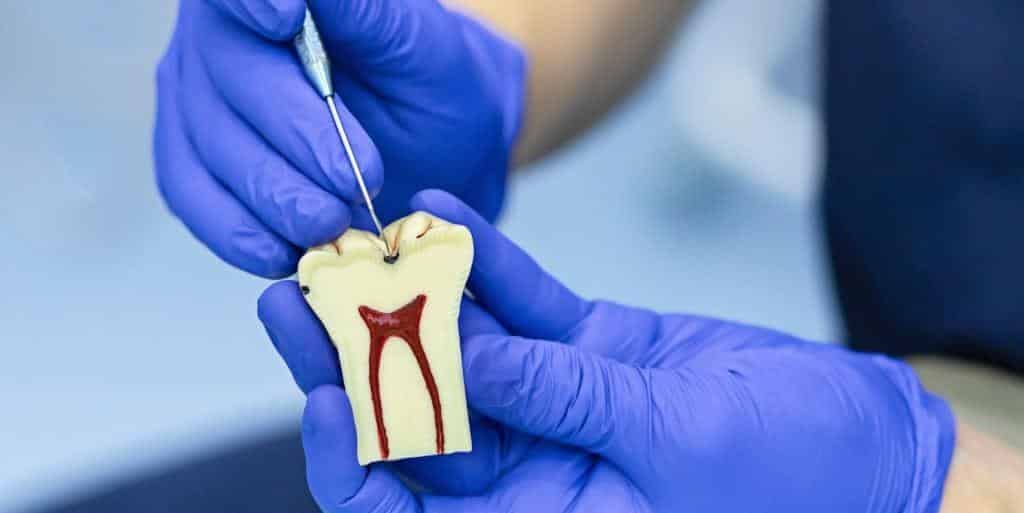
A tooth may become sensitive to sweet, hot or cold food, develop a visible hole or change colour. However, a white or dark mark is not enough to diagnose decay, and some cavities are difficult to see. Dental checks can identify problems before symptoms appear, although no examination can guarantee that every change will be found.
If decay reaches the pulp inside the tooth, it can cause pain or infection. Seek urgent dental advice for persistent or severe toothache, swelling or a suspected abscess. Contact NHS 111 if you cannot reach a dentist. Difficulty breathing or swallowing, or swelling affecting the eye, needs emergency help through A&E or 999.
What helps prevent decay?
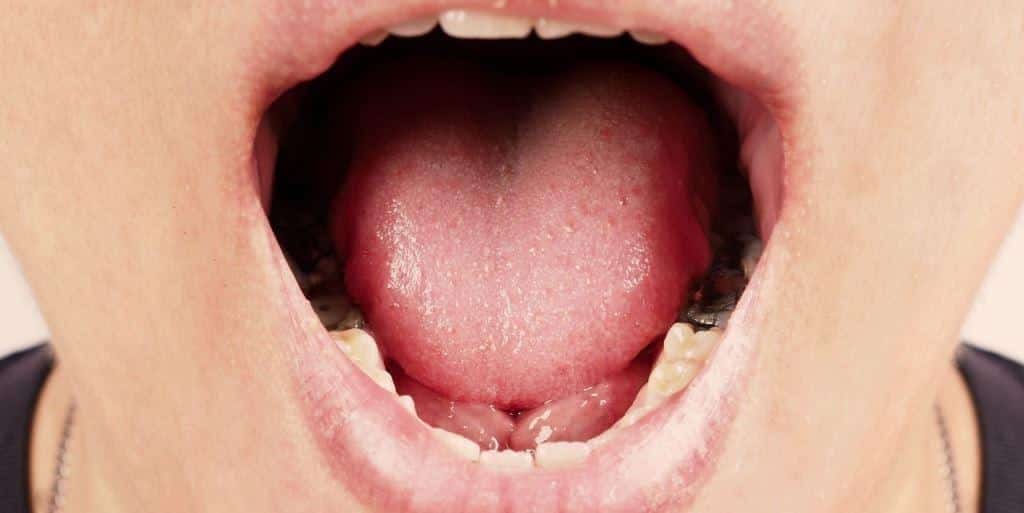
Brush twice daily with fluoride toothpaste, including last thing at night. Spit out the toothpaste rather than rinsing it away straight afterwards, and clean between the teeth. If you use mouthwash, use it at a different time from brushing; it is not a replacement for cleaning.
Reduce both the amount of sugary food and drinks and how often you have them. Keeping them to mealtimes helps limit repeated exposure. Water is a useful everyday drink, but drinking it does not repair a cavity.
Tell your dentist if your mouth often feels dry. Saliva helps protect teeth, and some medicines or health conditions can reduce its flow. Do not stop prescribed medicine on your own; the dental team can advise on managing the risk and when to speak to your prescriber.
Attend reviews at the interval recommended for your needs. Not everyone needs the same six-month schedule. Children need age-appropriate fluoride toothpaste and help with brushing.
How is decay treated?
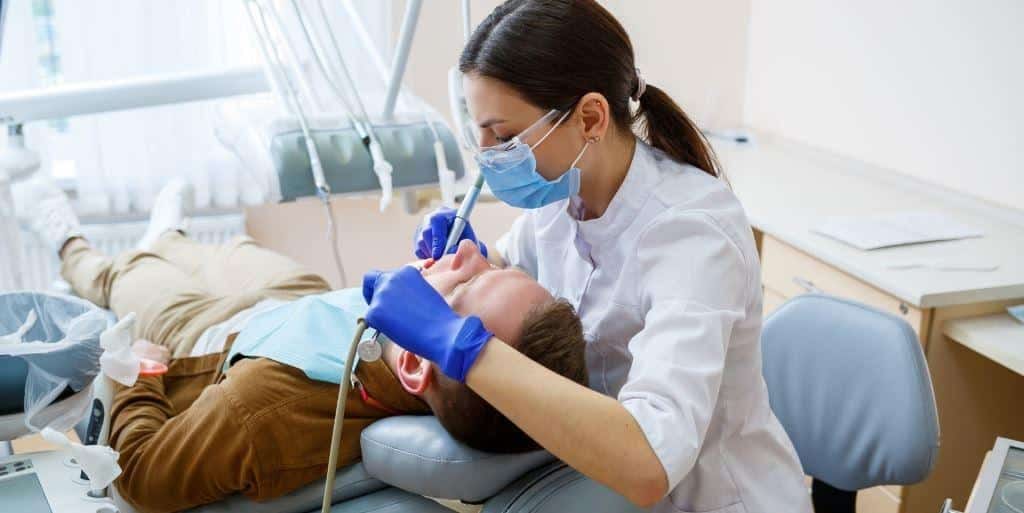
An early area of decay without a hole may be managed with fluoride and changes to diet and cleaning, with monitoring. An established cavity may need a filling. Deeper damage can require more extensive treatment, including root canal treatment or, if the tooth cannot be saved, removal.
Professional cleaning can remove deposits and support oral care, but it does not fill a hole or replace treatment for decay. The NHS tooth decay guide explains the main treatment options.
Our listed fee for scale, Airflow and fluoride varnish is £170, and a small composite filling is £150. The appropriate treatment depends on the examination; these are separate items, not a package or a quote for every cavity. See the current fees and ask for an individual estimate.
Root canal costs depend on the tooth and proposed care, including the final restoration. Check the root canal fees rather than relying on an old starting figure. If you are considering instalments, the practice’s current finance information sets out the terms to check.
If you have noticed a change or are overdue a review, contact the practice. You do not need to wait for toothache to ask for help.