
Dentures in the UK: types, care and costs
Originally published
Dentures replace missing teeth and can help with eating, speaking and appearance. You may need a partial denture for some gaps or a complete denture if all the teeth in one jaw are missing. The choice depends on your mouth, preferences and budget.
There is no single solution for every missing tooth. A dentist can explain the options without assuming that you need to change your appearance or remove teeth that could be kept.
Dentures, bridges and implants
A removable denture can be taken out for cleaning. A fixed bridge stays in place and is supported by teeth or implants. An implant supports a replacement tooth or other restoration; some implant-supported dentures remain removable.
A crown fitted to a natural tooth restores that tooth. It does not, on its own, fill an empty gap. These distinctions matter when comparing treatment plans and prices.
Missing teeth may affect chewing, speech or the position of neighbouring teeth. They do not inevitably cause digestive problems, jaw-joint disorders or the loss of every remaining tooth. The dentist will discuss whether and how replacing your particular gap would help.
Partial dentures
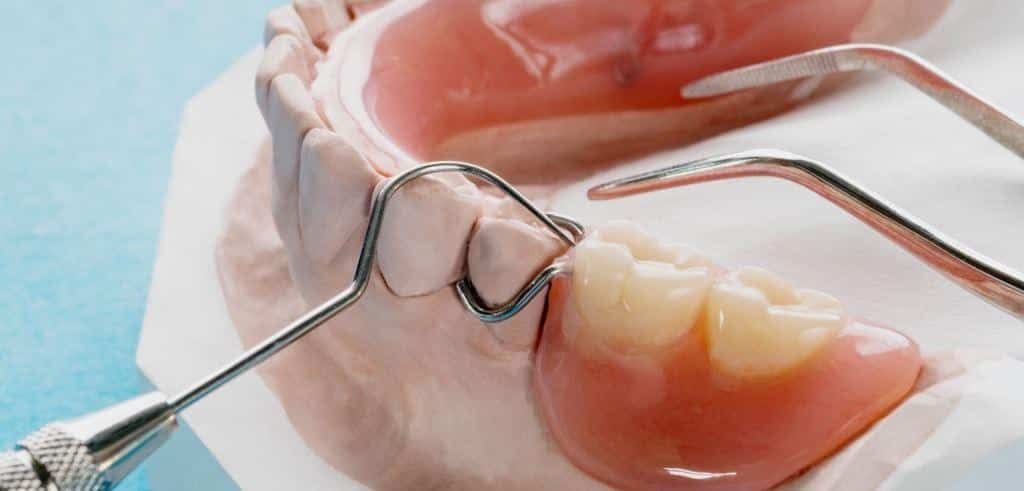
A partial denture replaces one or more teeth while some natural teeth remain. It may be made mainly from acrylic or include a metal framework. Clasps or other components help keep it in place.
Metal frameworks can be relatively thin and strong, but are not suitable for every mouth. The health and position of the remaining teeth affect the design, and some clasps may be visible. A well-designed acrylic appliance may be preferable in other circumstances, including certain stages of treatment.
Flexible materials are another option for selected partial dentures. Flexibility is not a guarantee of better fit, comfort or durability. Ask about support, cleaning, repair and whether more teeth could be added later.
Our metal partial denture guide covers that design in more detail.
Complete dentures
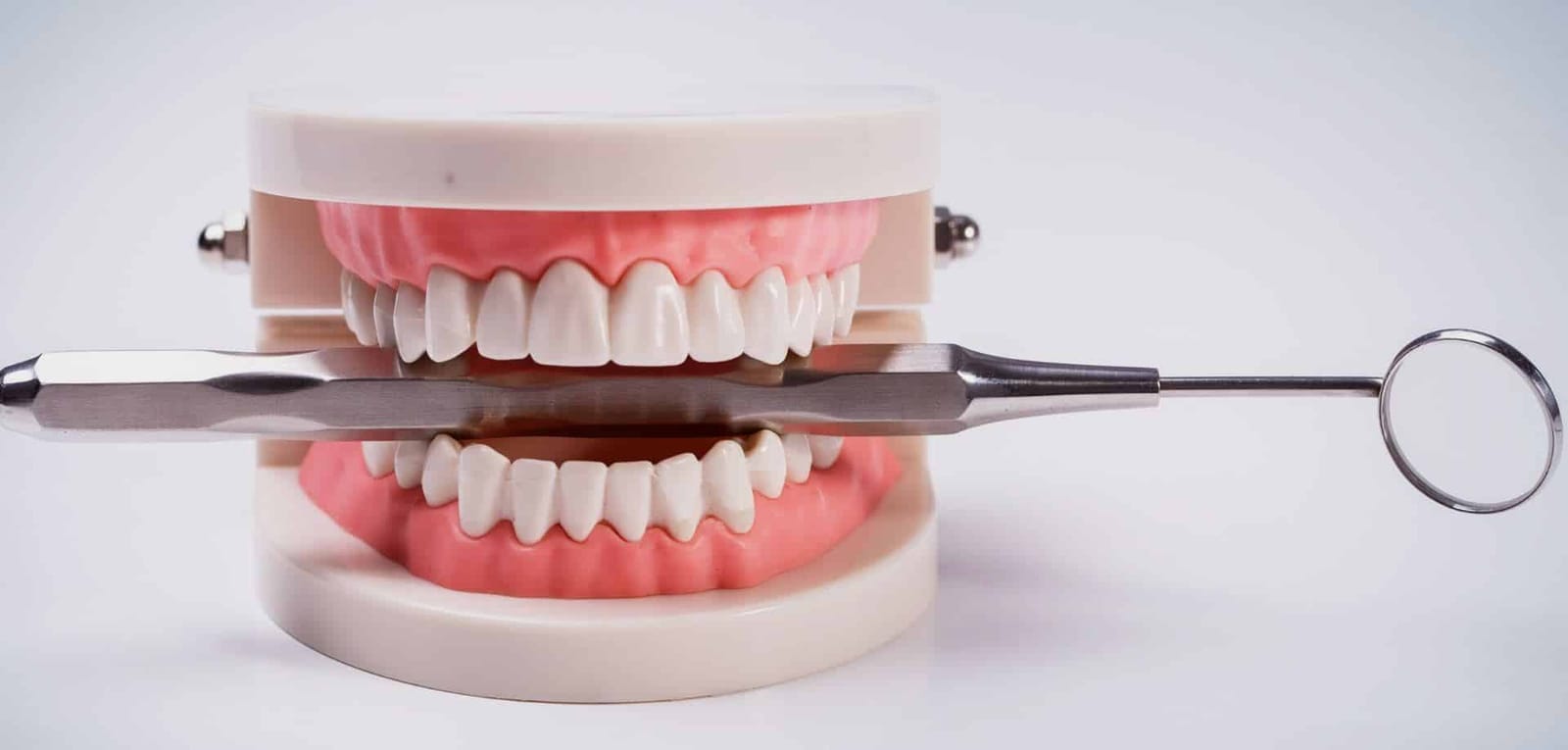
A complete denture replaces all the teeth in the upper or lower jaw and is commonly made from acrylic. Its fit depends on the shape and condition of the supporting tissues. The upper and lower appliances can feel different, and the dentist will explain what retention you can reasonably expect.
Our practice does not offer complete metal-framework or full flexible dentures. These designs are offered as partial dentures. Ask which complete-denture options are suitable for your circumstances.
An immediate denture may be fitted after extractions. As the mouth heals, its shape changes, so the denture may need adjustment, relining or replacement. Discuss these stages and their costs before treatment.
Getting used to a denture
Eating and speaking may feel unfamiliar at first. Start with manageable pieces of softer food and build up gradually as advised. Persistent rubbing, pain or looseness needs a dental review rather than an attempt to reshape the denture at home.
Remove dentures overnight unless the dentist has given you a different instruction. Clean them daily with products suitable for their materials, and follow the recommended storage method. Keep cleaning the gums, tongue and any remaining teeth. Even if you have no natural teeth, reviews are still useful for checking the mouth and the denture.
The NHS denture guide explains fitting and everyday care.

What do dentures cost?
Our listed fee for a full acrylic denture is £700 per arch. Ask what the estimate covers, including which jaw is being treated; do not assume a listed fee covers a pair of dentures.
For metal and flexible partial dentures, see the current denture fees, also per arch, and ask the dentist to confirm the design, number of teeth, suitability and total cost. A price heading alone cannot confirm which appliance is appropriate for you.
Your written plan should distinguish the denture from any examinations, extractions or other preparatory treatment and explain likely follow-up costs. If you are interested in instalments, check the practice’s current finance information rather than assuming that every course qualifies for interest-free payments.
Contact the practice to arrange an assessment and discuss a plan that suits your needs.