
Metal partial dentures: suitability, design and care
Originally published
A metal partial denture is a removable appliance used to replace missing teeth when some natural teeth remain. Our practice offers this as a partial denture, not a complete denture. The Polish term “proteza szkieletowa” refers to this framework-based design.
The denture is made for your mouth, but suitability depends on more than the number of gaps. The dentist needs to assess your remaining teeth, gums, bite and ability to look after the appliance.
When might a metal partial denture help?
It may be an option for several gaps, including situations where a fixed bridge is unsuitable. A denture can help with chewing, speech or appearance. The benefits and limitations depend on the position of the missing teeth and your own priorities.
Missing teeth can sometimes allow other teeth to move, but a gap does not inevitably cause headaches, digestive problems, jaw-joint disease or further tooth loss. Not every gap needs the same treatment or immediate replacement.
Decay and gum disease should be assessed before planning the denture. Teeth used to support or retain it need a suitable prognosis. Alternatives may include a different denture design, a bridge or implant-supported treatment. Implants involve surgery and maintenance and are not automatically the longest-lasting or best choice for everyone.
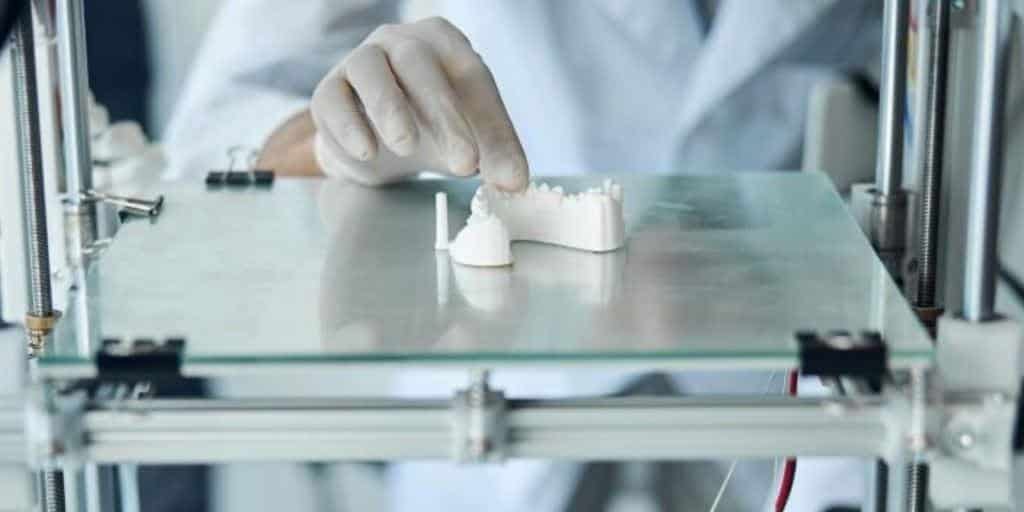
How is the denture constructed?
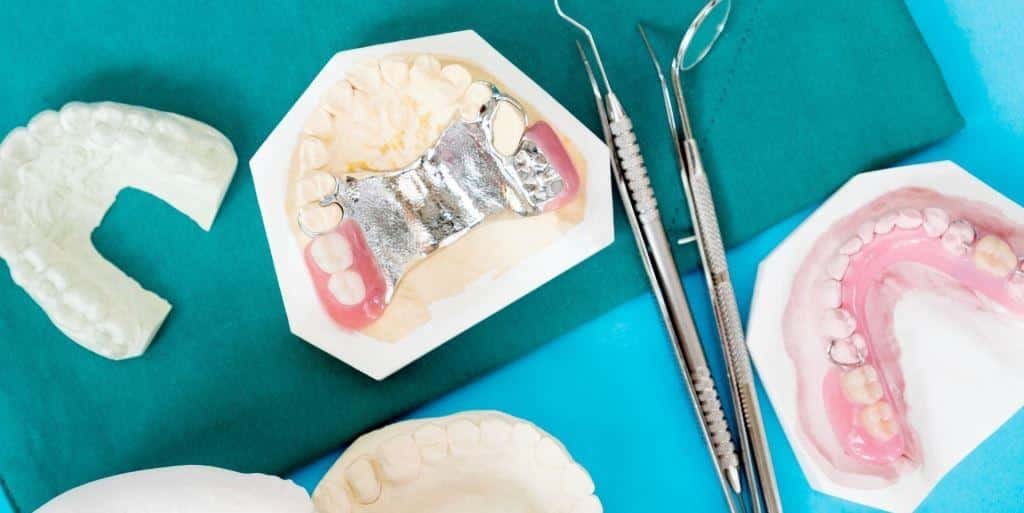
A typical design has a metal framework, gum-coloured acrylic and replacement teeth. Clasps help retain it, while other parts of the framework provide support and connect the different sections. Depending on the design, support comes from remaining teeth, the tissues beneath the denture, or both.
The framework can be thinner than an all-acrylic denture, but that does not guarantee greater comfort in every mouth. Some metal clasps may show when you smile. Ask the dentist to explain how the proposed design balances support, appearance and cleaning.
Some designs use precision attachments or telescopic crowns instead of visible clasps. They can require additional treatment to supporting teeth and have different costs and maintenance needs. They are not a simple cosmetic upgrade suitable for every patient.
Tooth-coloured materials, including acetal in selected components or designs, may also be discussed. Being less rigid than metal does not by itself mean a material fits better or is appropriate for a front-tooth gap. Ask what is suitable and available for your situation.
Our guide to denture types explains the broader options.
Looking after a metal partial denture
Remove it for daily cleaning, using a soft brush and a cleaner suitable for its materials. Clean over a basin of water or a folded towel in case you drop it. Rinse away food debris after meals, and keep brushing your natural teeth with fluoride toothpaste twice daily, including around clasps and supporting teeth.
Usually, the denture should come out overnight unless your dentist gives you different instructions. Follow the storage advice for your appliance. A blanket rule that all dentures must be stored dry is not appropriate; many are kept in cool water. Avoid hot water, household bleach and cleaners that are unsuitable for metal parts.
The Leeds NHS guide to partial dentures explains cleaning and adjustment. If the denture rubs, moves or breaks, arrange a review. Do not bend clasps or repair it yourself.
Costs and planning treatment
See our current denture fees, which are per arch, and ask for a written estimate for the proposed design. Check whether preparatory treatment, extractions, crowns or later adjustments are included. A price for a particular number of replacement teeth does not describe every possible treatment plan.
If you are considering instalments, read the practice’s current finance information and ask about eligibility and terms. A monthly figure from an older article should not be treated as a current offer.
You can contact the practice to discuss an assessment and the options for your missing teeth.