
Implant-retained dentures: how they work
Originally published
If a conventional denture feels loose, implants may offer additional retention. Whether they are suitable depends on your mouth, health and the type of replacement teeth you need.
The phrase “implant-supported denture” is sometimes used for different restorations. Before agreeing to treatment, establish whether you will remove the teeth yourself or whether they will be fixed in place.
Removable dentures and fixed bridges
An implant-retained overdenture clips onto attachments connected to implants. You remove it for cleaning and normally leave it out at night, following your dentist’s instructions. Depending on the design, the gums may still share the load when you chew.
A fixed implant bridge stays in place. You clean beneath and around it, but only the dental team removes it when necessary. These options differ in their construction, maintenance and cost.
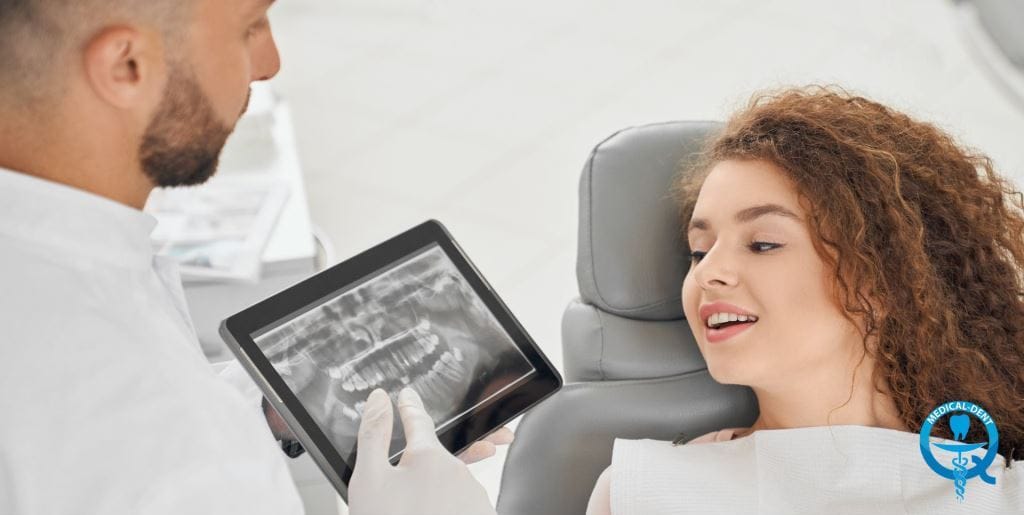
Implants can make a removable denture more stable, but they do not guarantee that every denture will be comfortable immediately or never need adjustment. Palate coverage depends on the design; not every upper implant-retained denture is made without it.
The replacement teeth and supporting framework can use different materials, including acrylic and metal as well as ceramics. Ask how the proposed design will feel, how to clean it and which parts may wear or need replacement.
Assessment and treatment
The dentist examines your mouth, reviews your medical history and arranges imaging where needed. Existing gum disease and other problems may need treatment first. Some people need bone grafting, which adds time and cost; having implants does not guarantee that bone loss will stop.
Implants are placed in the jawbone. Healing usually takes place over a period of months, although the sequence varies. A healing cap may be fitted at surgery or during a later procedure. Impressions or scans and fitting appointments follow according to the treatment plan.
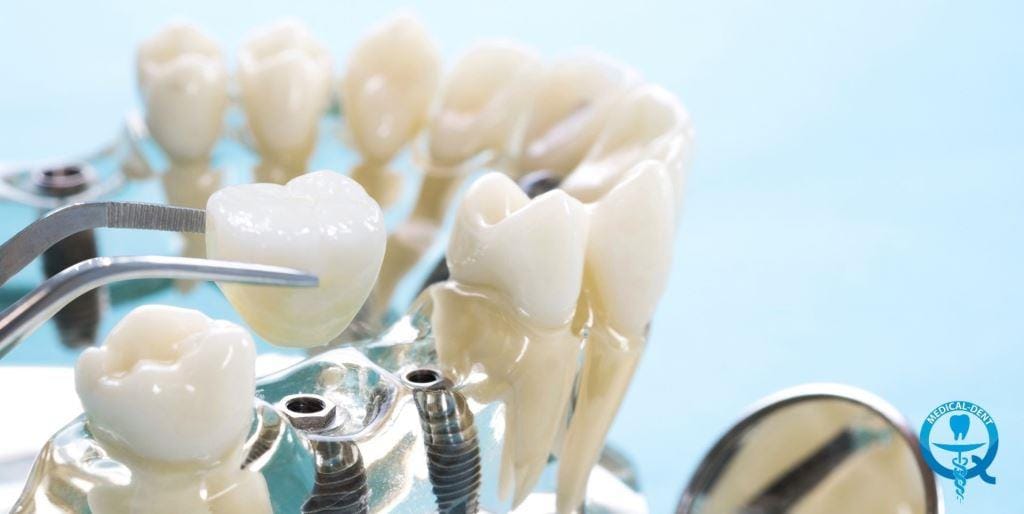
Discuss temporary teeth before treatment begins. What you can wear during healing depends on the surgery and restoration. Your team will explain any restrictions on denture use, food and cleaning while the area heals.
There are surgical risks, and an implant may fail to integrate with the bone. Smoking, oral hygiene and health conditions can affect the outcome. These risks should be discussed alongside alternatives such as a conventional denture.
Daily care and future costs
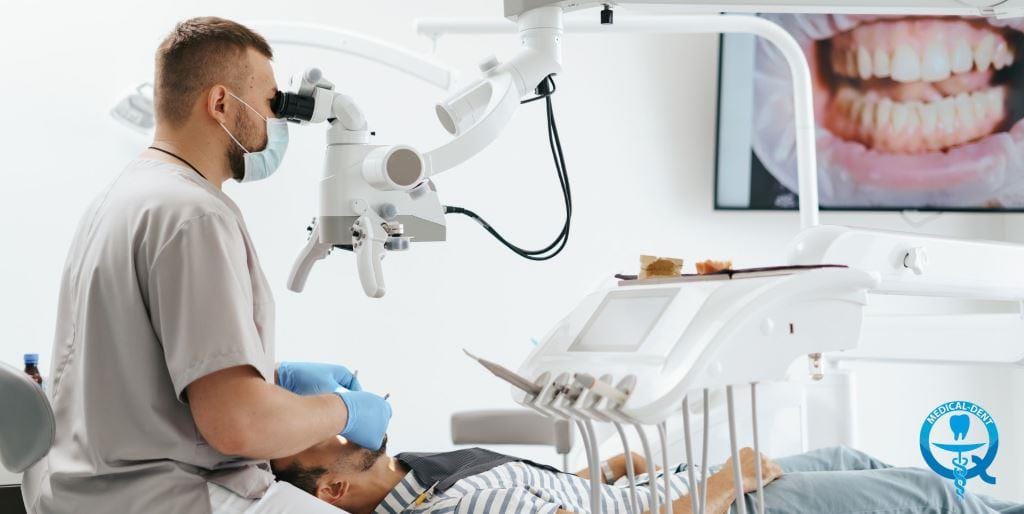
You still need to clean the implants and surrounding tissues every day. For a removable overdenture, clean the denture and attachments as shown by your team. For a fixed bridge, learn how to reach underneath it. Follow instructions suited to the materials used rather than assuming every denture needs the same products or storage method.
Clips and other attachments may wear; dentures may need adjustment, repair or replacement. Regular reviews help the dentist check the fit and the health of the tissues around the implants. Implant treatment is not a guarantee of teeth for life.

A single implant price does not tell you the cost of a denture or a whole arch of teeth. Ask for an itemised estimate covering surgery, attachments, temporary teeth, the final restoration and maintenance. See our implant fees for listed services.
Instalments may be available subject to eligibility and terms. Use the current finance information when comparing payments, and contact us to arrange an assessment.