When dental implants may not be suitable
Originally published
Dental implants can support a crown, bridge or denture to replace missing teeth. They involve surgery and ongoing care, so they are not the right choice for everyone. An assessment considers your mouth, general health, medicines and ability to look after the restoration over time.
A health condition does not necessarily rule implants out. Some problems need treatment first; others may make the risks outweigh the likely benefit. Your dentist should explain which factors apply to you and what the alternatives are.
What does the assessment involve?
The dentist checks the remaining teeth and gums, the available bone and the space for the replacement teeth. X-rays and sometimes further imaging help with planning. Tell them about your medical conditions, medicines, smoking and any previous problems with healing.
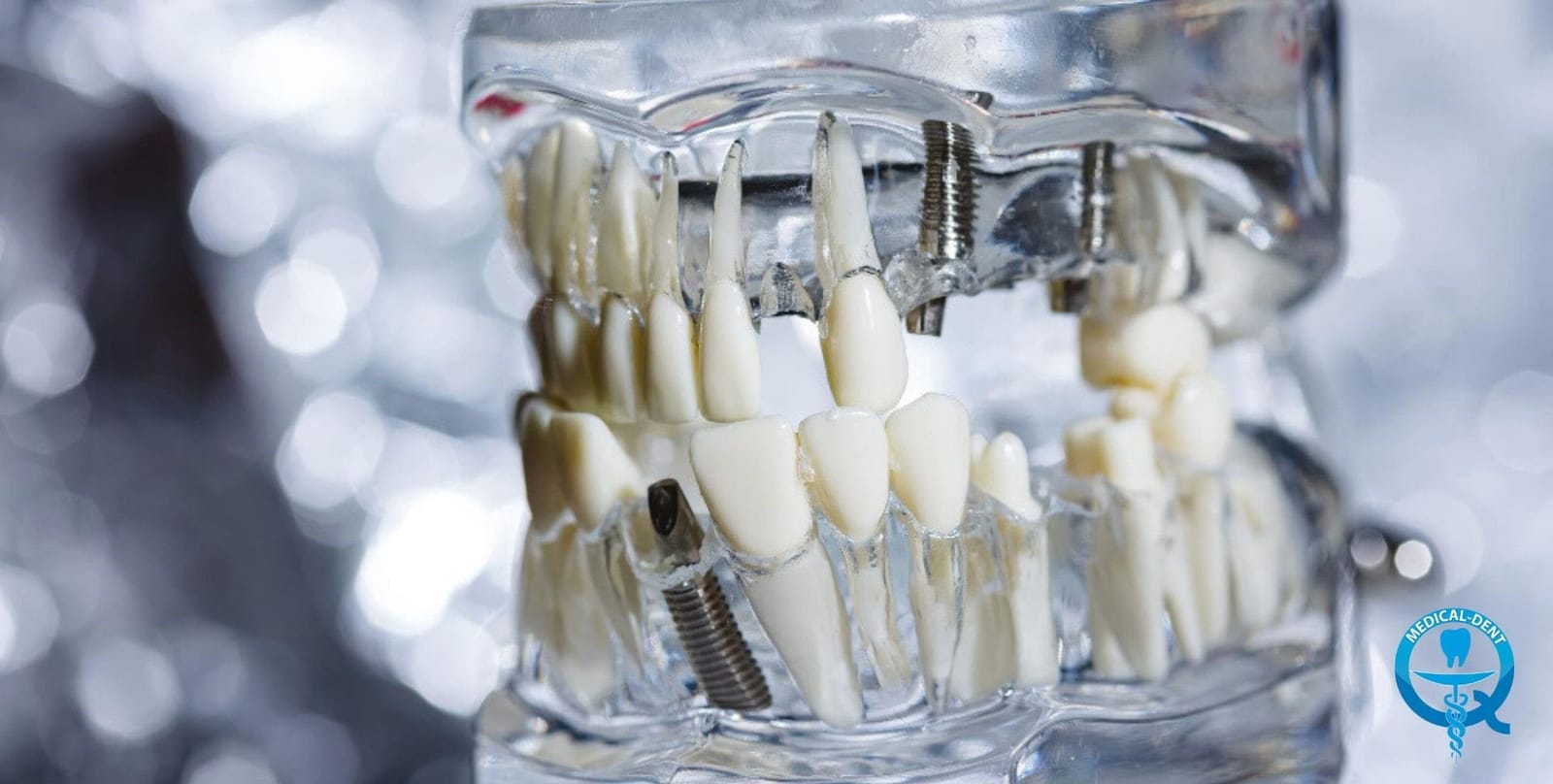
An implant is the part placed in the bone. The tooth or teeth attached to it may be fixed or removable, depending on the design. Implants do not guarantee a lifelong result or freedom from maintenance. Our guide to dental implants explains the main options.

Factors that may delay treatment or increase risk
- Active gum disease or untreated dental disease. These need attention before implant treatment. A history of periodontitis also matters for long-term planning and maintenance.
- Poorly controlled diabetes. This can increase complications and failure risk. Your dentist may need to work with your medical team before deciding whether treatment can proceed.
- Smoking. It increases the risk of implant problems. Discuss support to stop smoking and how it affects your treatment options.
- Insufficient bone. Some patients may be suitable for a bone graft or sinus lift, but these add treatment and healing time and do not guarantee an implant can be placed successfully.
- Ongoing jaw growth. Implant placement is usually delayed until growth has finished. Age alone is not enough to establish this. Older age, by itself, is not an automatic exclusion either.
- Medical conditions and medicines that affect treatment or healing. Heart, kidney or immune system conditions need individual assessment rather than a blanket yes or no based on a diagnosis.
If you have osteoporosis, tell the dentist about both the condition and its treatment. Medicines such as bisphosphonates and denosumab can affect the risk of jaw complications after procedures involving bone. The risk depends on the medicine, why it is prescribed and other factors; it is not the same for every patient. Do not stop prescribed medicine yourself. The SDCEP patient information explains this issue for people receiving osteoporosis or cancer treatment.
If you are pregnant or planning a pregnancy, tell the dentist before implant planning so you can discuss the timing of elective treatment. Pain or infection still needs prompt dental advice.
What are the alternatives?
Depending on the gap and the remaining teeth, options may include a bridge or a removable denture. A partial denture replaces some teeth; a complete denture replaces all teeth in a jaw. The choice should take account of function, appearance, cleaning, surgery and cost.
Sometimes treating gum disease, improving control of a medical condition or addressing a bone deficit makes implant treatment possible later. In other cases, a different restoration remains the more suitable choice. No preparatory treatment can remove every risk.
Planning care and costs
During an implant consultation, ask about the proposed stages, risks, alternatives and ongoing maintenance. Further investigations may be needed before a final plan and estimate can be agreed.
See the implant fee schedule and ask for the total proposed cost, including the implant, abutment, crown or other restoration, and any additional procedures. Do not assume that one listed item covers the whole treatment. For payment options, see the current finance information or contact the practice.