
Dental bridges: options, care and costs
Originally published
A dental bridge is a fixed replacement for one or more missing teeth. It may help with appearance and chewing, but it is one of several options. The right choice depends on the gap, the teeth or implants that could support a bridge, and your priorities.
Is a bridge suitable for your gap?
Your dentist will examine the remaining teeth, gums and bite. Some gaps can be left without treatment after discussing the possible consequences; others may benefit from a bridge, denture or implant. A missing tooth does not inevitably cause headaches, digestive problems or the loss of neighbouring teeth.
A crown fitted to an existing tooth restores that tooth. It cannot replace a missing tooth by itself. Our guide to replacing missing teeth compares the main options.
Bridge designs
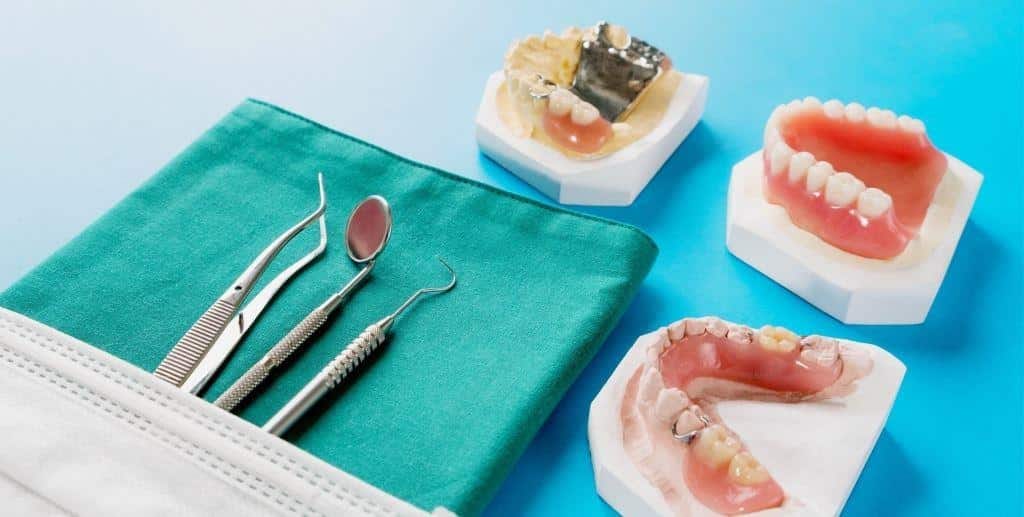
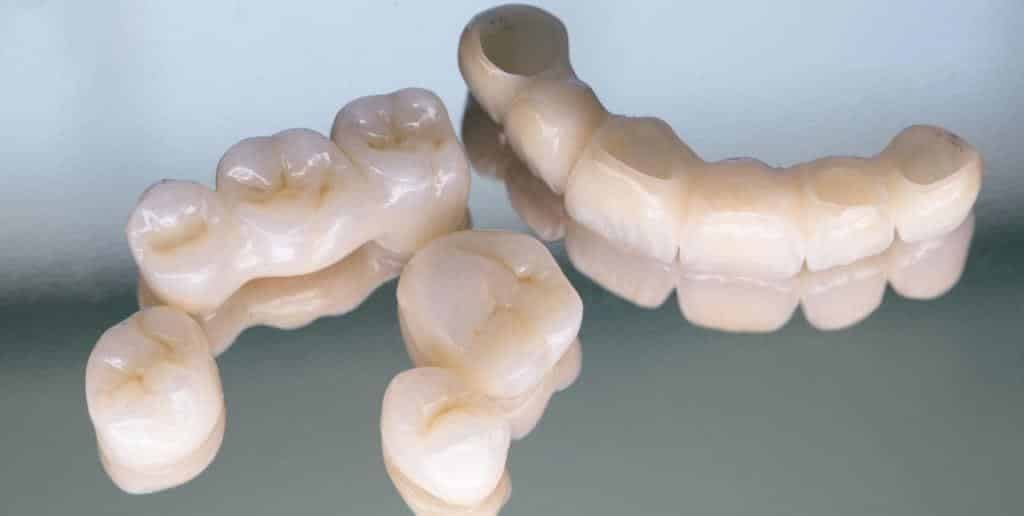
A conventional bridge uses crowns on supporting teeth, which need preparation. An adhesive, or resin-bonded, bridge is attached to a neighbouring tooth with a wing and may need little or no drilling. Bridges can also be supported by implants.
Not every bridge requires two crowned teeth, and suitable designs are not limited to gaps with a natural tooth on both sides. The dentist must assess how the bridge would be supported and how biting forces would affect it. Leeds Teaching Hospitals explains conventional and adhesive bridges.
Materials and treatment
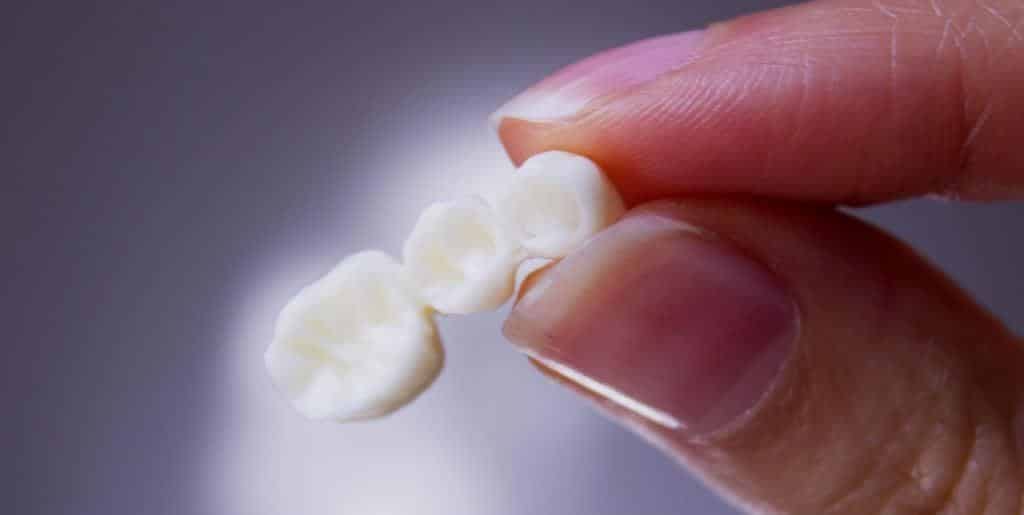
Bridges can be made from different materials, including porcelain combined with metal, zirconia and fibre-reinforced composite. A temporary bridge may be used during treatment. No material is automatically the most durable or best-looking choice for every patient; design, position and care also matter.
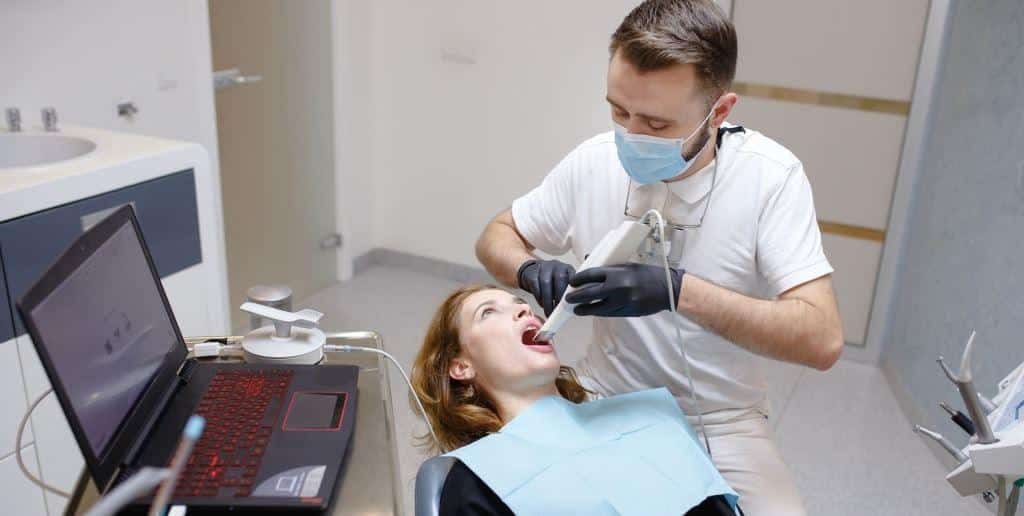
After planning and any necessary dental treatment, the dentist prepares the supporting teeth if the design requires it. A digital scan or conventional impression records their shape. The bridge is made and checked for fit, appearance and how your teeth meet before it is secured in place. A temporary restoration may protect prepared teeth between visits. Better Health Channel describes bridge treatment and preparation.
Risks and daily care
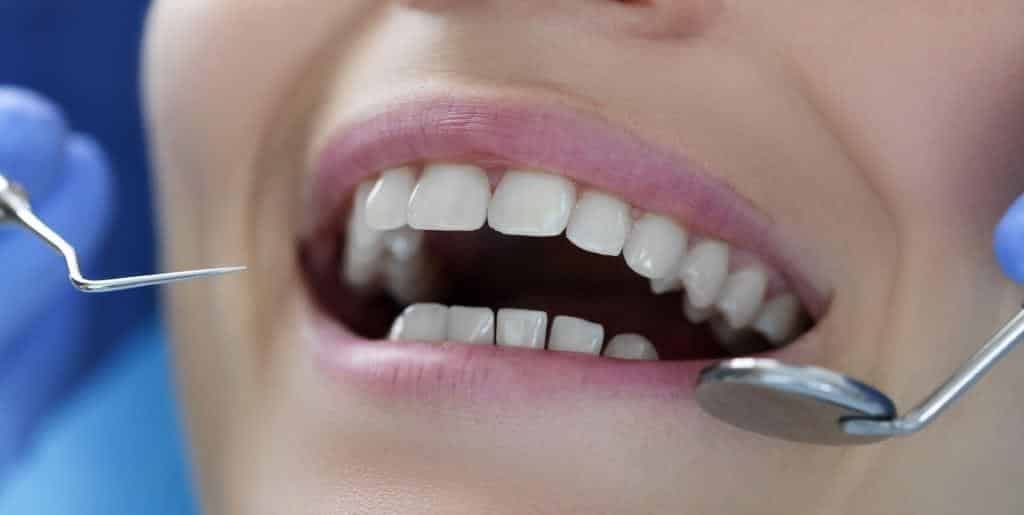
Preparing teeth for a conventional bridge removes tooth tissue and can affect the nerve; a supporting tooth may later need root canal treatment. Decay or gum disease can develop around supporting teeth, and a bridge can loosen, chip or need replacement. Adhesive bridges can come unstuck.
Brush carefully and clean underneath the replacement tooth as your dentist or hygienist shows you. Keep regular check-ups and contact the practice if the bridge feels loose or painful. Good maintenance matters even though the replacement tooth itself cannot decay.
How much does a bridge cost?
The current listed fees at Medical Dent are:
| Bridge material | Fee per unit |
|---|---|
| Fibre-glass bridge | £250 |
| Porcelain-fused-to-metal bridge | £500 |
| Zirconia bridge | £500 |
A unit is one part of the bridge representing a tooth, including a supporting crown where used. A per-unit fee is not the price of the complete bridge. Ask for the number of units and all additional treatment to be set out in a written estimate.
See the prosthodontic fees for the wider price list. Finance is subject to the current terms and eligibility requirements. To discuss which option suits your teeth, contact the practice.