6 things to consider before choosing dental implants
Originally published
Dental implants are one option for replacing missing teeth. They can offer useful benefits, but choosing them involves more than comparing the initial price. Here are six points to discuss with your dentist, from the result you hope for to the care and costs involved afterwards.
What is a dental implant?
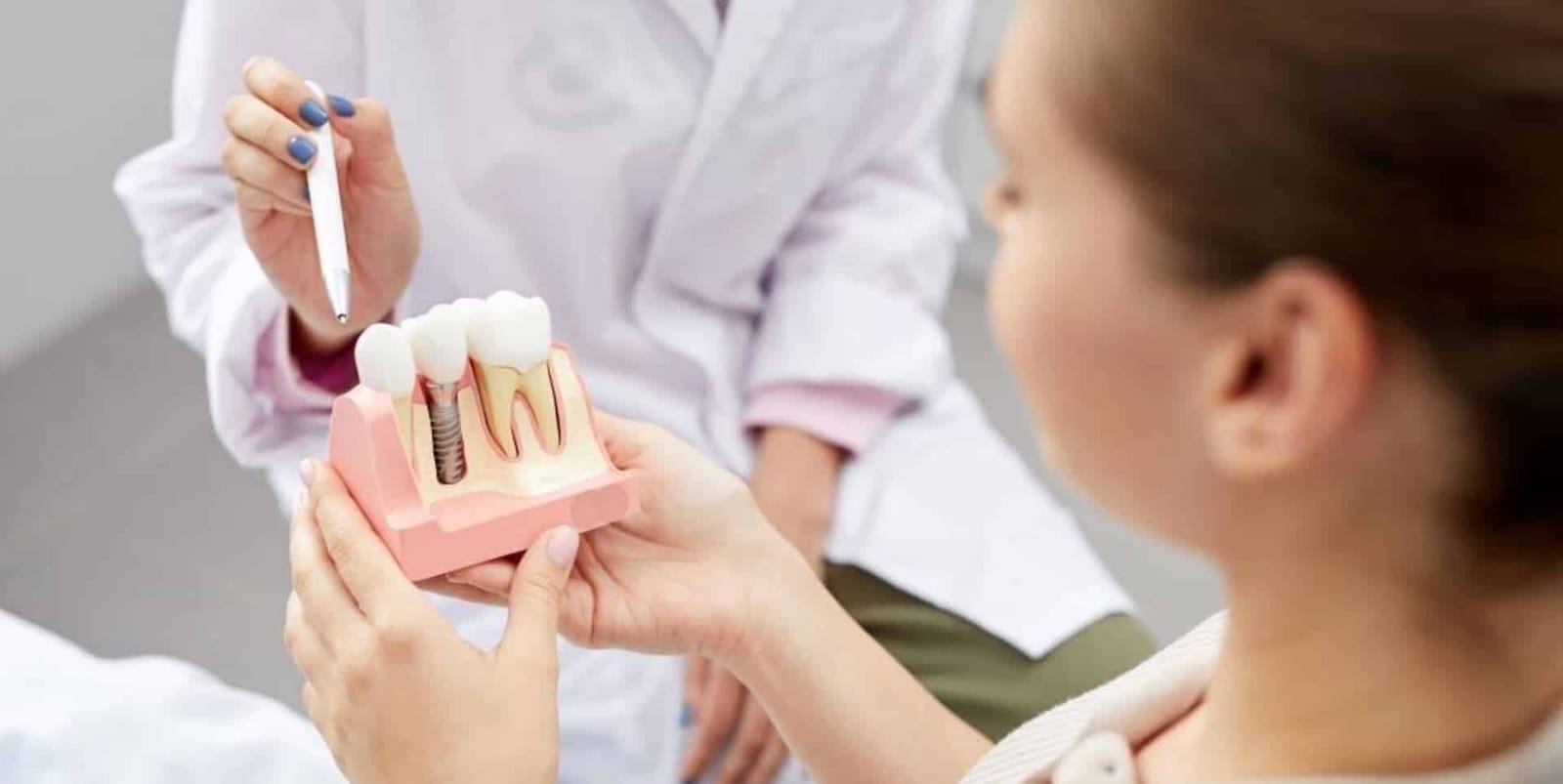
An implant is usually a titanium screw placed in the jawbone to support a crown, bridge or denture. The implant and the replacement tooth are separate parts of the treatment.
Your dentist can explain whether implants, a bridge or a denture would suit you. In some cases, leaving a gap is also an option. The choice depends on your mouth and what you want treatment to achieve.

1. Appearance and feel
An implant-supported tooth can look and feel similar to a natural tooth. Discuss the likely appearance with your dentist rather than assuming that every result will be indistinguishable from your own teeth. Healing and getting used to the restoration take time.
2. Durability and future maintenance
Implants can last many years, but there is no guarantee that they will last for life. The crown, bridge or denture they support can wear or become damaged and may need repair or replacement. Allow for ongoing care when deciding whether treatment is right for you.

3. Eating, speaking and comfort
Replacing missing teeth with implants aims to improve chewing, speech, appearance and comfort. Implants can also help stabilise a removable denture. Discuss which difficulties matter most to you so that your dentist can explain what treatment may realistically change.
A fixed crown or bridge stays in place for cleaning; an implant-retained removable denture still needs to be taken out. Your dental team will show you how to look after the restoration you choose.
4. Bone and neighbouring teeth
Implants can help preserve jawbone and replace teeth without relying on neighbouring teeth for support. However, they do not guarantee protection against bone loss. Your dentist needs to assess the available bone, and you may need a bone graft before or alongside implant placement.
5. Suitability, risks and daily care
Implant treatment involves surgery. Possible problems include infection, failure to bond with the bone and, in some cases, altered sensation. Smoking, gum health and your ability to keep the area clean affect the outlook. Regular cleaning and dental reviews remain essential after treatment.
The Cambridge University Hospitals guide to dental implants explains benefits, assessment and risks. Leeds Teaching Hospitals’ implant guide also covers maintenance, possible failures and alternatives.
6. The full cost of treatment
Ask for an itemised treatment plan so you can compare the complete proposed treatment with other options. Check what is included in the initial fee and what you may need to budget for later. A durable restoration is not necessarily a one-off expense or the cheapest choice for every patient.
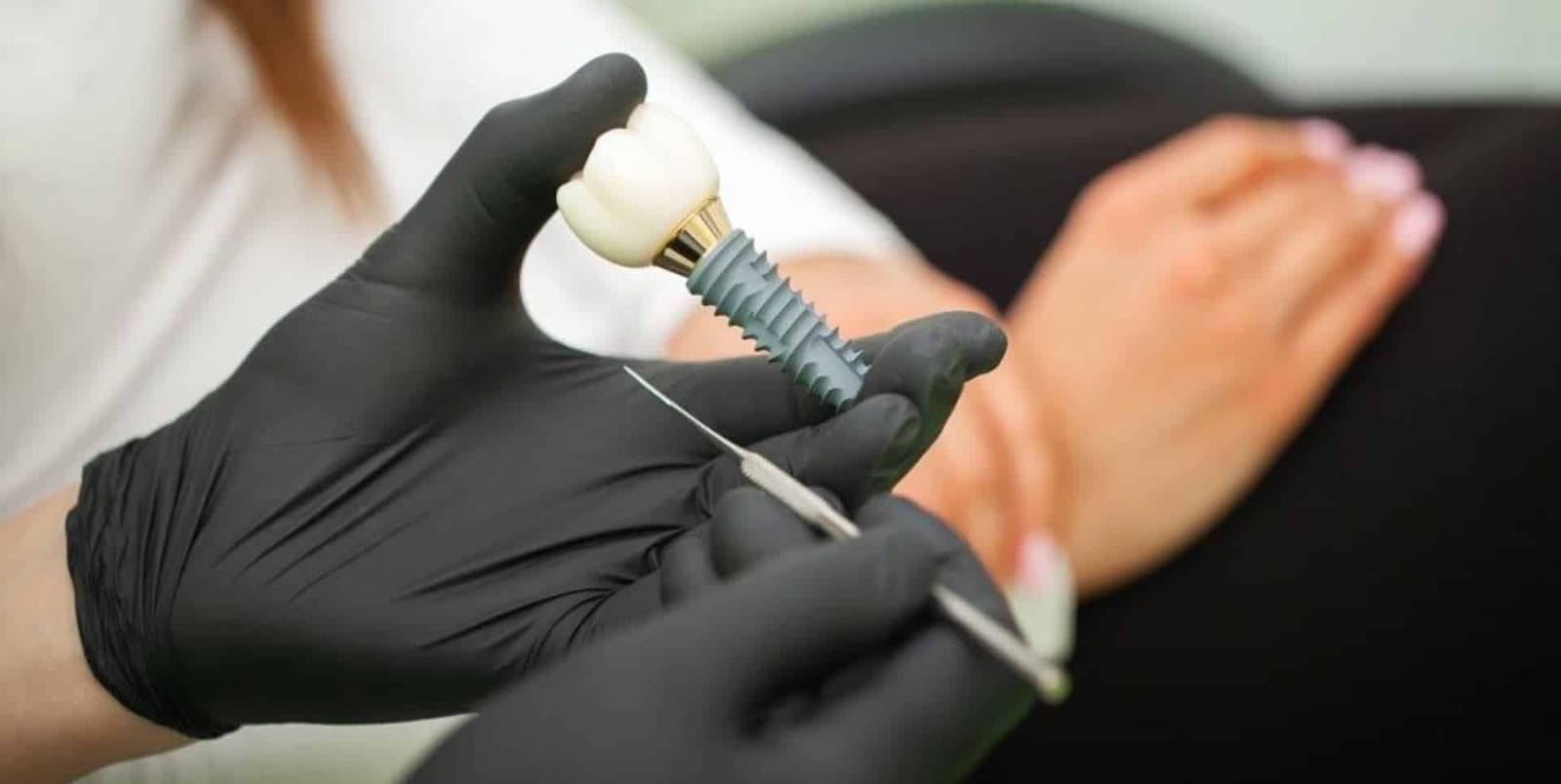
For current implant fees at Medical-Dent, see our implant price list. This is not a quote for a complete replacement tooth. Your treatment plan should set out the costs of the implant, connecting abutment and crown or other restoration, together with any additional procedures you need.
See our dental implant fees and ask the practice to confirm what each fee includes. For current finance options and eligibility conditions, see our treatment finance information.
To discuss your options, book a consultation.