
Veneers for crooked teeth: possibilities and limits
Originally published
Veneers can change the visible shape of a tooth, so they may make a small irregularity look less noticeable. They do not move teeth or roots into a new position. If the problem is crowding, a rotated tooth or the way the teeth meet, orthodontic treatment may be more suitable.
Before choosing a cosmetic treatment, ask what is causing the uneven appearance and how each option would affect healthy tooth tissue. You do not need a perfectly even or bright white smile to have healthy teeth.
What can a veneer change?
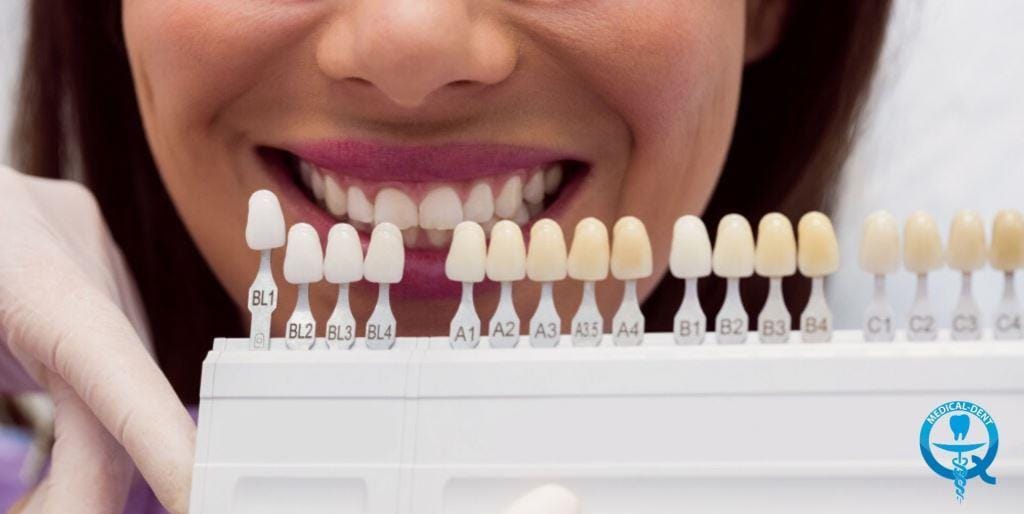
A veneer covers part of the visible tooth surface with composite or ceramic. It can alter colour, shape or size, and may help disguise a small gap or minor irregularity in selected cases.
The result depends on the starting position, the bite and the space available for the material. Adding a veneer without enough space can make a tooth too bulky. Removing tissue to disguise a more pronounced misalignment can sacrifice healthy tooth structure, so it should not be presented as a simple shortcut to straight teeth.
When to discuss braces or aligners
Braces and aligners move teeth. They can address alignment problems that veneers only cover visually. Your dentist or orthodontist can explain which movements are needed and whether treatment is suitable for your mouth.
Sometimes orthodontics alone achieves the change you want. In other cases, a combination of tooth movement and a small restoration may avoid more extensive preparation. Treatment time varies; the choice should not be based on a promise of an instant result or the assumption that all braces take several years.
Read our guide to types of braces for the differences between appliances.
Composite and porcelain options
Composite can be built directly onto a tooth and is often easier to repair. It may need little or no preparation in a suitable case, but it can stain, wear or chip. Some work can be completed in one appointment; the assessment and wider plan still matter.
Porcelain veneers are made separately and bonded to the teeth. They generally resist staining better, but they can also break or become detached. They often need enamel preparation, and the number of appointments depends on how they are made and the work required.
Neither material lasts forever. Our comparison of composite and porcelain veneers explains the differences in more detail.

Questions to ask before treatment
Discuss these points at your consultation:
- Could the same change be achieved with orthodontics, whitening or a smaller restoration?
- How much healthy tooth tissue would need to be removed?
- Does grinding, the bite or the condition of the gums affect suitability?
- What might need repairing or replacing in future?
- What does the full estimate include?
Preparation that removes enamel is irreversible. Sensitivity can occur, and some teeth may need further treatment. Existing decay or gum disease should be managed before veneers are considered. A veneer does not protect a tooth from all future decay or make a bite problem disappear.
Costs and ongoing care
Use our current veneer fee page rather than an older price example. The total depends on the material, number of teeth and any other care required. Ask whether temporary restorations, where needed, and review visits are included in your estimate.
Finance may be available subject to eligibility, affordability and terms. Medical-Dent is a credit broker, not a lender. See the current finance information; repayments should be considered alongside the whole treatment plan.

Keep brushing with fluoride toothpaste, cleaning between your teeth and attending dental reviews after treatment. If a veneer chips or your bite feels uncomfortable, arrange a check rather than trying to adjust it yourself.
Contact us to discuss whether veneers, orthodontics or another option would best address your concern.