
Types of braces in the UK: choosing an orthodontic appliance
Originally published
Choosing braces starts with the movement your teeth need, the health of your mouth and the result you want. Appearance and cost matter too, but an appliance that suits one person may not suit another.
Orthodontic treatment can be appropriate for children, teenagers and adults. Timing depends on the bite and dental development. Many fixed-brace treatments start after the permanent teeth have come through, although selected problems may be treated earlier.
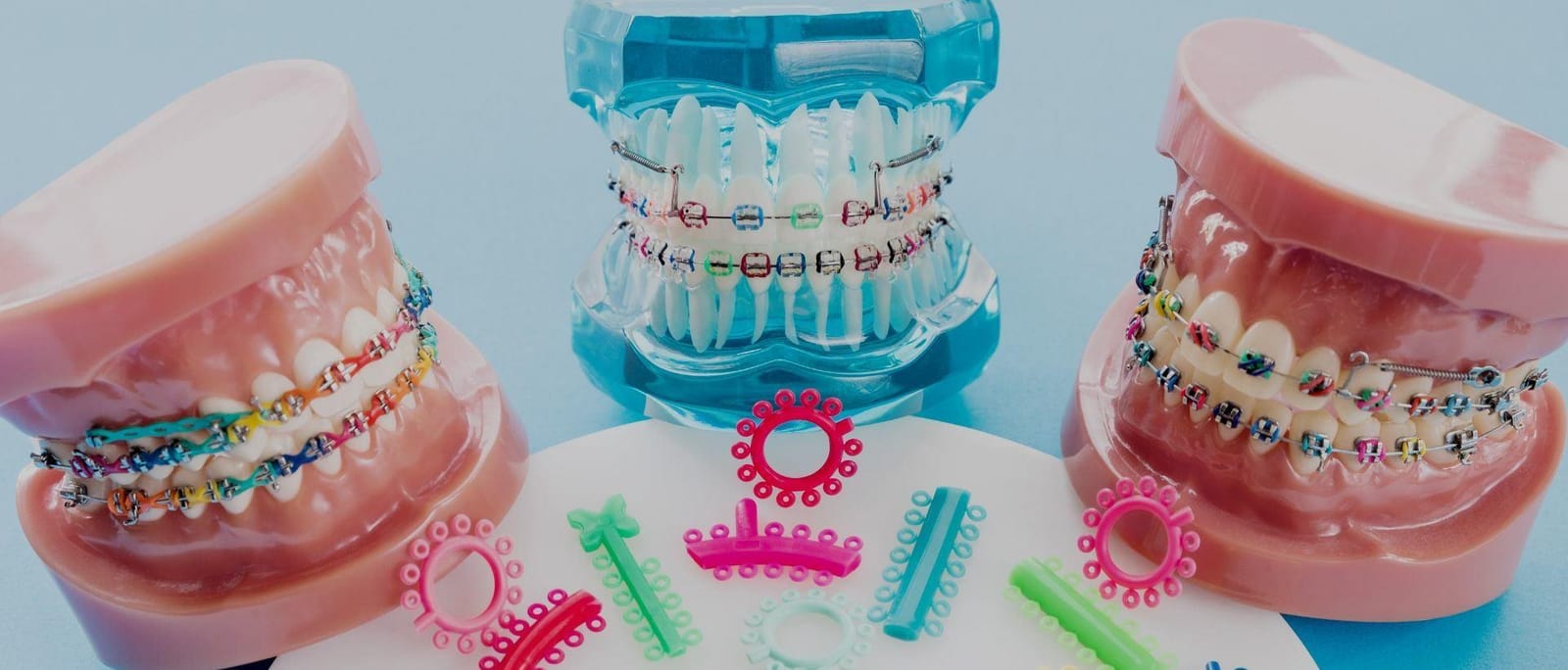
Metal fixed braces
Fixed braces use brackets attached to teeth and a wire that applies controlled forces. Some designs hold the wire with small elastic modules; others use a clip. Your orthodontist adjusts the appliance as treatment progresses.
The coloured parts you can choose are usually the elastics around the brackets. Colour does not determine how effectively the brace moves teeth. Keeping the teeth and appliance clean is much more important.
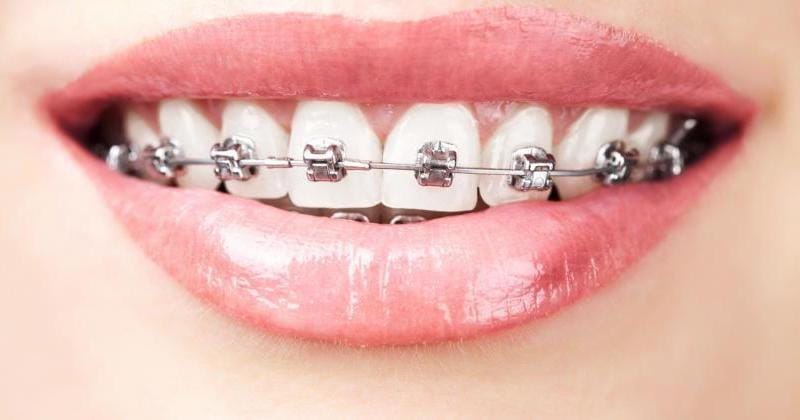
Clear and tooth-coloured brackets
Ceramic brackets can make a fixed brace less noticeable. Some are tooth-coloured and others are clearer; sapphire brackets are a clear ceramic option. A wire is still part of the appliance, so it is not invisible.
Different bracket designs have their own advantages and limitations. Discuss suitability, cost and any care requirements with the orthodontist rather than choosing by appearance alone.
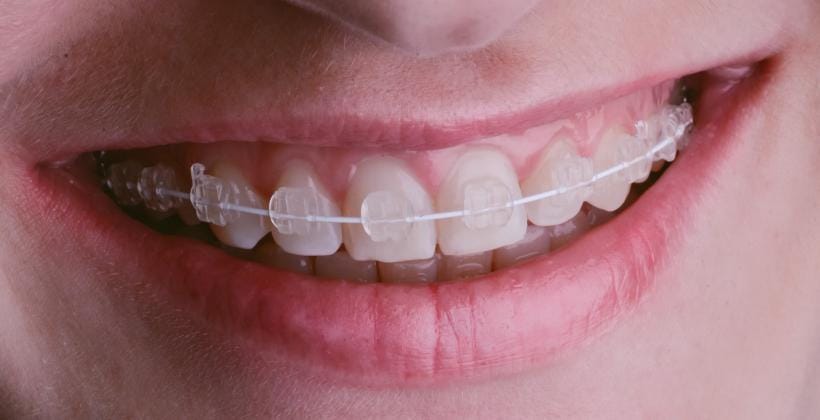
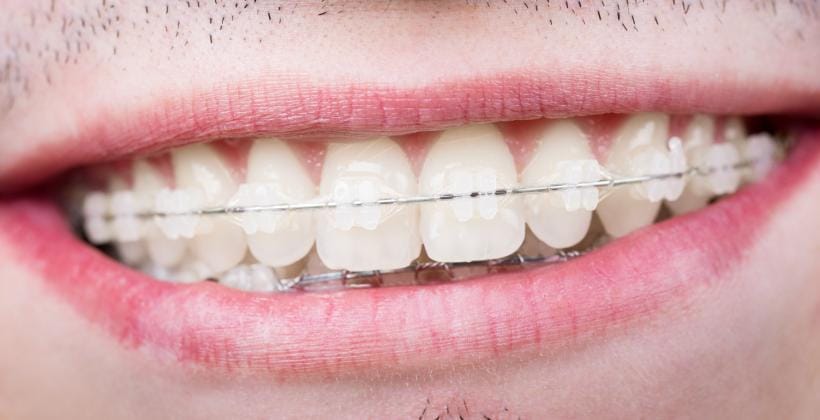
Elastics around clear brackets can become stained. Ask how to care for your particular appliance. A blanket ban on all coloured foods is not needed for every brace, but hard or sticky foods can damage attachments and frequent sugary snacks raise the risk of decay.
Lingual and removable appliances
Lingual braces are attached behind the teeth, making them less visible from the front. They can affect speech or irritate the tongue during adaptation. Suitability, availability and the cost of this approach need a separate discussion; being less visible does not make it the most comfortable option for everyone.
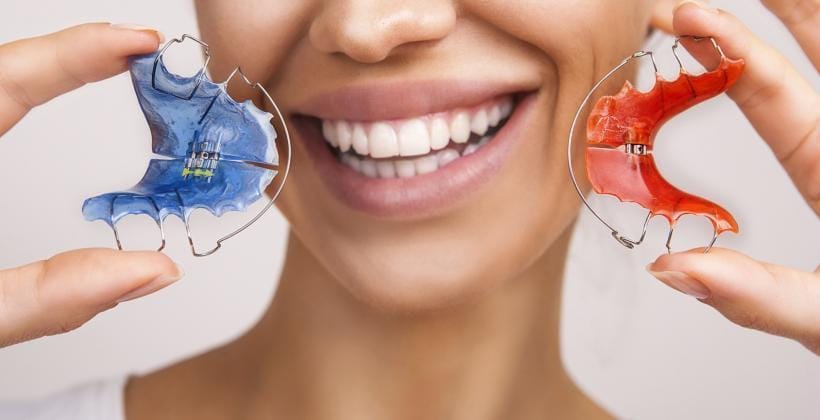
Removable plates can carry out selected tooth movements. Functional appliances, such as Twin Block braces, are used for certain bite problems in growing children. These are different from clear aligners, and each has a prescribed wearing schedule. Remove and adjust them only as instructed.
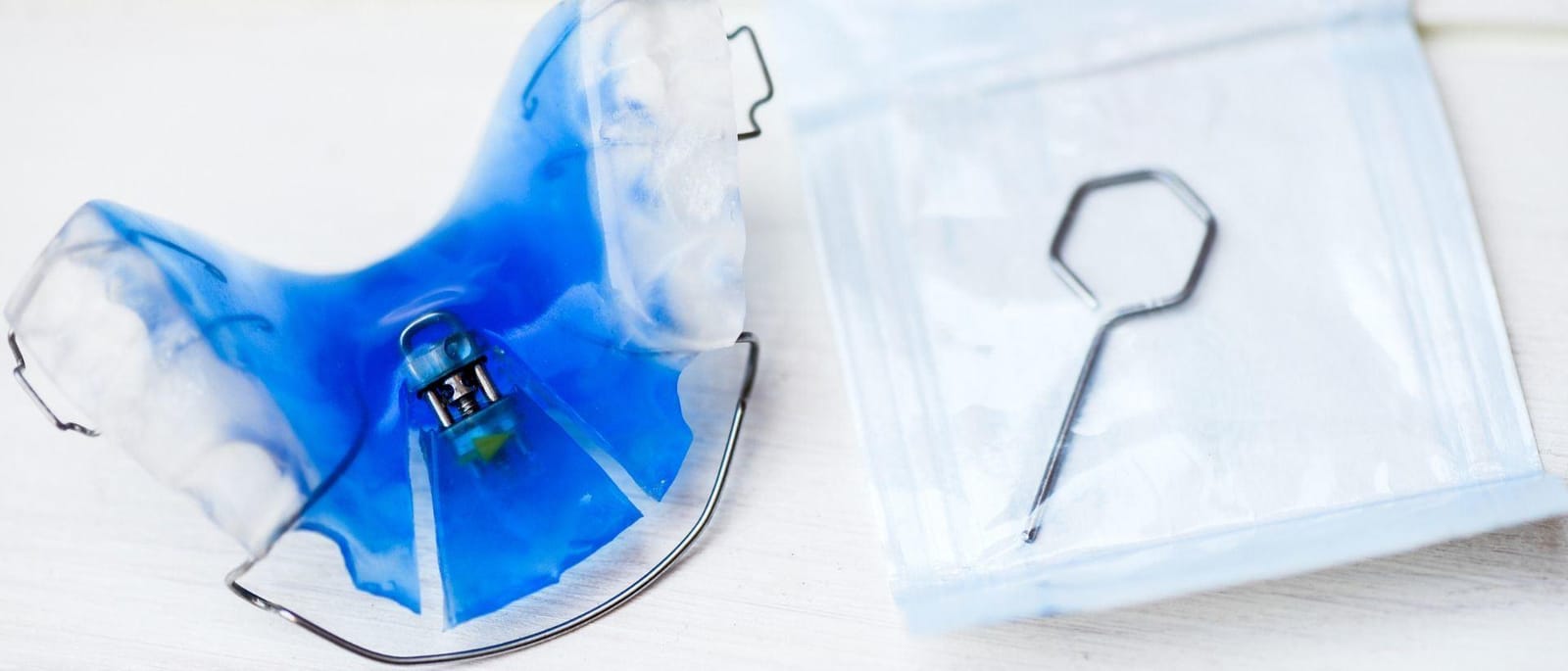
Clear aligners
Aligners are a series of removable trays that gradually move teeth. Invisalign is one system; other systems also exist. The treatment plan, supervision and movements required matter more than a brand name alone.
They need consistent wear for the prescribed hours. Taking the trays out for longer than advised can affect progress. Follow the instructions for eating, cleaning and changing to the next tray. Some plans also need attachments on the teeth or other measures.
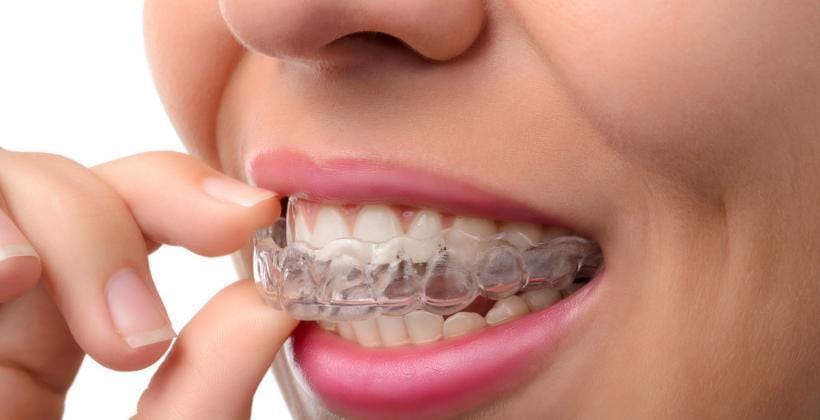
Aligners are not suitable for every movement or every patient. If a tray does not fit or causes persistent pain, contact the treating team instead of forcing it into place or skipping ahead.
Retainers after treatment
Retainers help hold teeth in their new positions after active treatment. They are not simply a cheaper brace for correcting a small problem. There are removable retainers and fixed wires bonded behind teeth; some people need both.
Teeth can move again over time, so retention is generally a long-term commitment. Follow your prescribed schedule, keep retainers clean and arrange a review if one breaks, becomes loose or no longer fits. A fixed retainer also needs careful cleaning and checks.
Comparing costs and treatment plans
Our current orthodontic fee page lists appliance and appointment fees. Ask for a written estimate that explains whether charges cover one or both arches, records, adjustments, repairs, removal and retainers. An appliance fee alone is not necessarily the total cost.
If you are considering treatment in another country, compare the complete plan and arrangements for continuing care. Include travel, follow-up and what happens if an appliance breaks. The nationality of a clinician is not a reliable guide to quality or price, and old currency conversions cannot provide a current comparison.
Finance may be available subject to status, affordability and terms. Medical-Dent is a credit broker, not a lender. See the current finance information.
Before starting, ask how treatment may affect your daily routine, what risks apply and how you will maintain the result. Continue routine dental check-ups as well as orthodontic visits. Contact us to discuss suitable options.