
Composite or porcelain veneers: which should you choose?
Originally published
Veneers change the visible surface of a tooth. They may improve its shape, size or colour, but they do not move the tooth or its root. Composite and porcelain are two different materials used for this purpose, each with advantages and limitations.
The best starting point is an assessment and a discussion of what you would like to change. Sometimes whitening, orthodontics, a small composite repair or no treatment is a better choice than covering the front of a tooth.
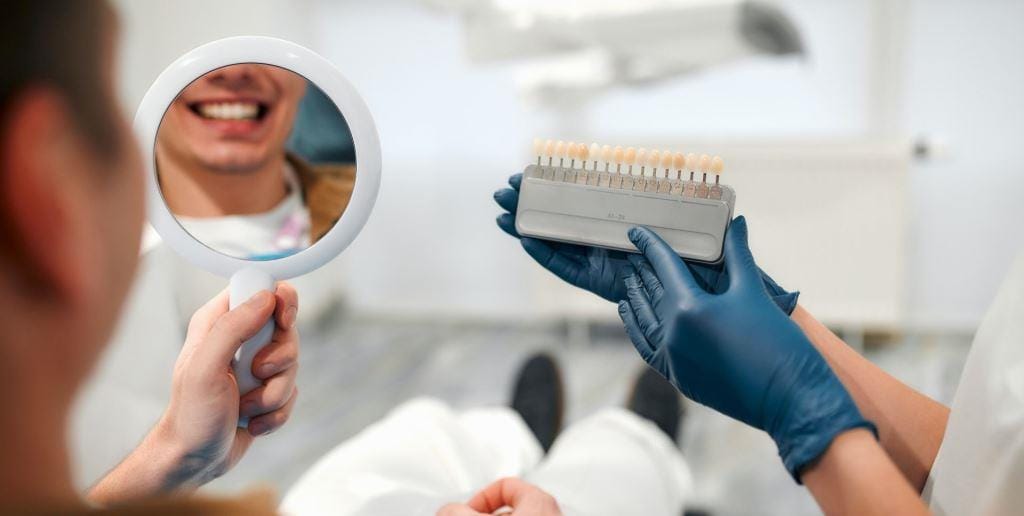
When might veneers be suitable?
Veneers may be considered for selected chips, worn edges, gaps or discolouration. They are not suitable for everyone. Your dentist needs to assess the enamel available for bonding, the bite, any grinding and the health of the teeth and gums.
A dark tooth needs its cause checked. Where appropriate, internal whitening of a root-treated tooth may be an alternative. A veneer is not automatically the best way to strengthen a weakened tooth, and it does not treat disease inside the tooth.
For uneven teeth, veneers may disguise a small difference in appearance. They cannot correct substantial crowding or a jaw relationship in the way orthodontic treatment can. Discuss whether moving the teeth first would preserve more healthy tissue.
Composite veneers
Composite is a tooth-coloured resin also used for fillings. For a direct veneer, the dentist adds, shapes and hardens the material on the tooth, then polishes it. This can sometimes be completed in one visit, although assessment and preparation may need separate appointments.
Composite can often be repaired or polished and may require little or no tooth preparation in a suitable case. It can still chip, wear or stain. Different shades and layering techniques can produce a natural appearance; composite does not have to be a single flat colour.
Our listed composite veneer fee is £220 per tooth.

Porcelain veneers
Porcelain veneers are thin ceramic restorations made to fit the tooth. They generally resist staining and wear better than composite, but they can still chip, crack or become detached. Repair may be less straightforward than with composite, and replacement may be needed.
Porcelain often requires some enamel to be removed to make space. The amount depends on the starting position and shape of the tooth. Removed enamel does not grow back, so this is a long-term commitment to maintaining the restoration, not a promise that the veneer itself lasts for life.
Our listed porcelain EMAX veneer fee is £600 per tooth. Ask how many visits your treatment plan involves.
Planning and fitting
First, any active decay or gum disease needs attention. Discuss the proposed shape and shade, the amount of preparation and alternatives before treatment begins. The dentist may use photographs, scans or a trial shape to help plan the result.
Direct composite is built onto the tooth. A ceramic veneer is made separately and checked for fit, appearance and bite before bonding. These processes are not identical, and not every veneer needs the same preparation or a temporary restoration.
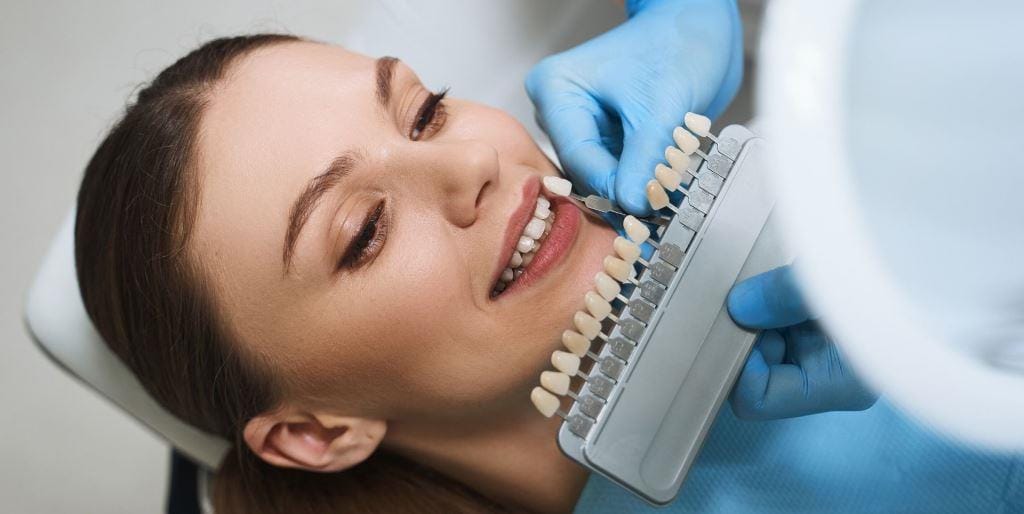
Maintenance and the full cost
Brush with fluoride toothpaste and clean between the teeth. Decay can still develop around a veneer, and the gums still need care. Avoid using your teeth to open packets or bite hard objects. If you grind your teeth, discuss how that affects suitability and whether protection is needed.
See the current veneer fees and ask for a written estimate covering the number of teeth, preparation and any additional treatment. Include future repairs or replacement in your decision, not just the initial price.
Finance may be available subject to status, affordability and terms. Medical-Dent acts as a credit broker, not a lender. Read the current finance information.
Contact us to compare the options for your teeth and the amount of treatment each would involve.