
How much do veneers cost in the UK?
Originally published
Veneer costs depend on the material, the number of teeth being treated and any dental care needed beforehand. A price for one veneer is not a quote for a whole smile, so ask for a written treatment plan before deciding.
Veneers are thin coverings bonded to the front of teeth. They can change the appearance of discolouration, small chips, gaps or uneven shapes. They do not move teeth into a different position or correct every bite problem. Your dentist can help you compare them with whitening, composite bonding or orthodontic treatment.
Porcelain and composite veneers
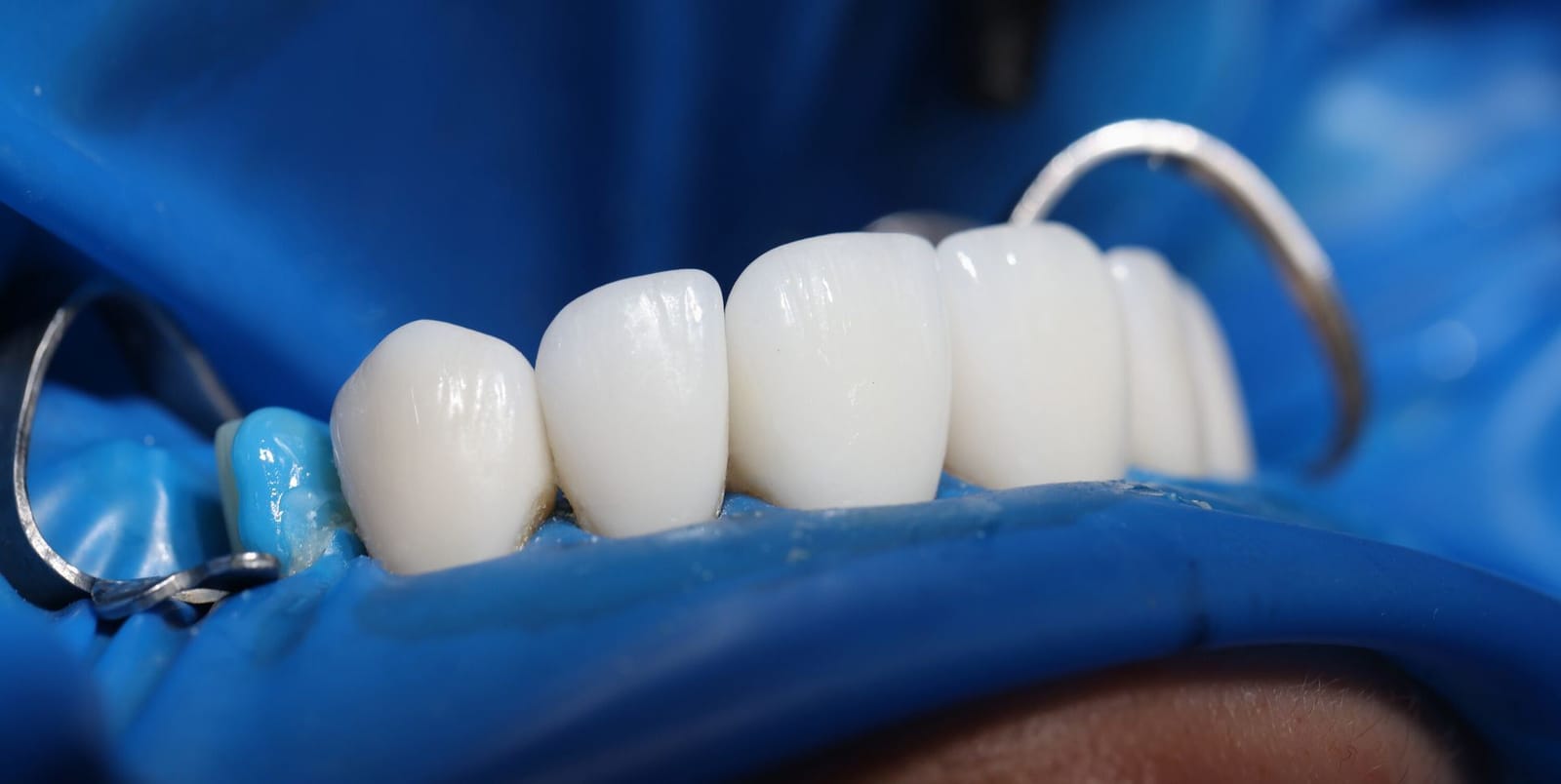
Porcelain veneers are made to fit the individual tooth and bonded in place. Composite veneers use tooth-coloured resin that can be shaped directly on the tooth. The preparation, appointments and repair options differ, so the choice should reflect your teeth and bite as well as the appearance you want.
Discuss the proposed colour and shape before treatment. A photograph of someone else’s smile cannot show whether the same treatment would suit your mouth. Our guide to a Hollywood smile looks at the different procedures that may be considered.
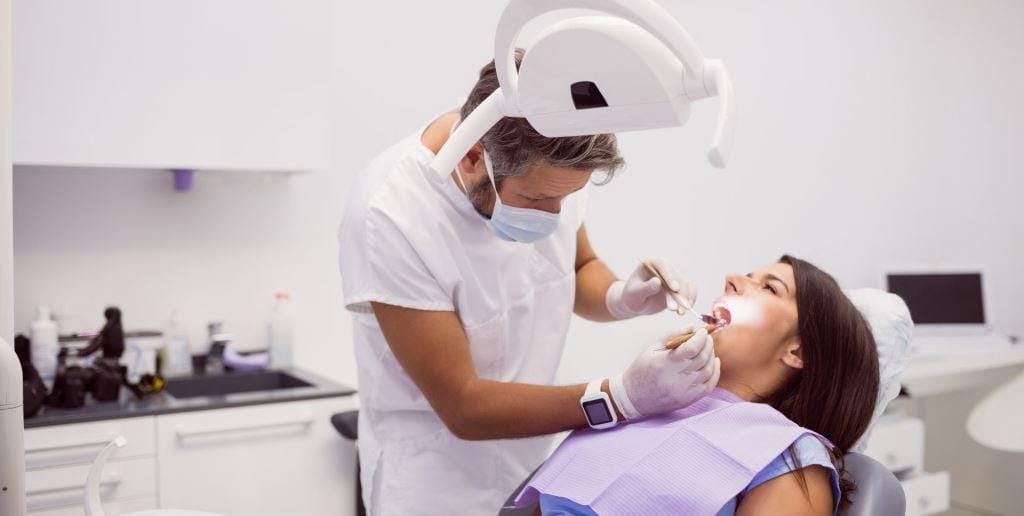
What happens before veneers are fitted?
Your dentist will assess your teeth, gums and bite and address any active decay or gum disease before cosmetic treatment. Veneers do not make the underlying teeth immune to decay: you still need daily cleaning and dental reviews afterwards.
Some treatments involve removing enamel to make room for the veneer. Enamel does not grow back, so preparation can be an irreversible commitment. Other approaches may require less preparation; your dentist should explain exactly what is proposed for each tooth rather than treating all veneers as the same procedure.
For laboratory-made veneers, impressions or scans are taken and the fit, colour and bite are checked before bonding. Temporary veneers may be needed while the final ones are made, but they are not required in every case.
Suitability and future care
Grinding or clenching can increase the risk of damage to veneers. Tell your dentist if you have noticed tooth wear, broken restorations or jaw discomfort. They can assess whether veneers are appropriate and discuss any protective measures. Tooth size, the amount of remaining enamel and your bite also matter; short teeth alone do not give a complete answer.
Veneers can chip, loosen or need replacement. Sensitivity may occur, particularly after preparation. How long they last varies with the material, your bite and care, so a quoted lifespan is not a guarantee. Include possible maintenance and replacement in your longer-term budget.
Brush twice daily with fluoride toothpaste and clean between your teeth. Your dental team can show you how to clean around the veneer edges and advise you about habits that could damage them.

What should a veneer quote include?
See our current cosmetic dentistry fees for the available treatments. Ask your dentist to explain:
- the number of teeth and material included;
- any preliminary treatment, scans or laboratory work;
- whether temporary veneers and review appointments are included;
- the likely costs of future repairs or replacement.
When comparing treatment in the UK and abroad, include travel and access to follow-up care as well as the initial fee. A lower advertised price may cover a different scope of treatment.
Finance may be available subject to status, affordability and the applicable terms. Check our current finance information rather than assuming that every repayment period is interest-free. Medical-Dent acts as a credit broker, not a lender.
To discuss whether veneers are suitable for you and receive an individual estimate, contact the practice.