Surgical tooth extraction in the UK: treatment and costs
Originally published
Surgical extraction is a way of removing a tooth or root that cannot be removed safely by a simpler approach. It may involve opening the gum, removing a small amount of bone or dividing the tooth into sections.
The first decision is whether removal is appropriate at all. Your dentist should assess whether the tooth can be kept and explain the benefits and risks of the available options.
Why might a surgical approach be needed?
A broken tooth, a root beneath the gum or an impacted tooth can make access difficult. Curved roots may also complicate extraction. These features do not, by themselves, mean that every affected tooth must be removed surgically.
Wisdom teeth are one example. Repeated infection, unrestorable decay or damage to a neighbouring tooth may justify removal. Healthy impacted wisdom teeth are usually monitored, and routine removal solely to prevent front-tooth crowding is not recommended. See our guide to surgical wisdom tooth removal.
For other teeth, treatment such as a filling or root canal treatment may sometimes allow the tooth to be retained. An orthodontic extraction is a separate decision within a planned course of treatment and does not always require surgery.
Assessment and preparation
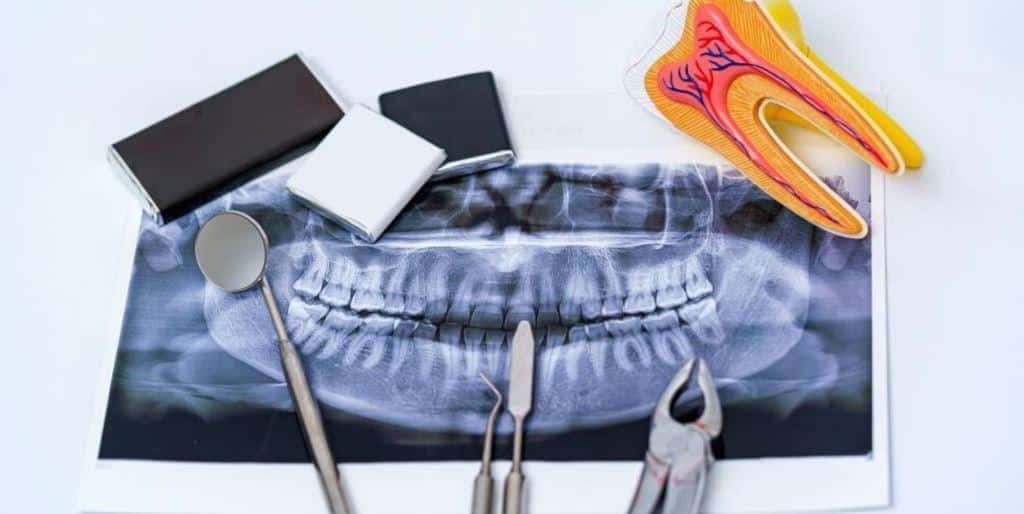
The dentist considers your symptoms, the examination and appropriate X-rays together. An X-ray helps show the roots and surrounding structures; it does not guarantee that a tooth cannot be treated or predict every difficulty during removal.
Discuss your medical history, medicines and any concerns about anaesthesia. Do not stop prescribed medicines on your own. The team will explain the proposed treatment, alternatives and risks before asking for consent.
Most extractions use local anaesthetic. Sedation or general anaesthesia may be considered in a suitable setting if needed. Follow the instructions for the method planned for you, including any fasting, transport and supervision requirements. These options are not a statement that every method is available at our practice.
During and after the procedure
Depending on the tooth, the clinician may lift the gum, remove some covering bone and take the tooth out in sections. Stitches may be needed. Anaesthetic aims to control pain; tell the team if you feel pain during treatment rather than trying to tolerate it.
Bleeding, infection and dry socket are possible complications. Risks to nearby teeth, nerves or the sinus depend on the site and should be discussed individually.
For the first 24 hours, do not rinse, spit or disturb the socket. Avoid hot food and drinks while numb, and follow the instructions about soft food, cleaning, smoking, alcohol and exercise. Do not assume that the wound is fully healed after a week. Attend follow-up or stitch removal as arranged; the schedule depends on your treatment.
Seek prompt dental advice for severe or worsening pain, fever, increasing swelling or persistent bleeding. NHS 111 can advise if you cannot access urgent dental care. Breathing or swallowing difficulty, or severe bleeding that will not stop, requires emergency help through 999 or A&E.

What does surgical extraction cost?
Our listed fees include:
- Surgical extraction of a premolar or molar: from £220.
- Surgical wisdom tooth extraction: from £250, including placement and removal of stitches where needed.
These are different treatment categories. Your dentist will confirm which applies and provide an estimate after assessment. See our oral surgery fees for the current list.
If you are considering instalments, read the current finance terms; eligibility and approval conditions apply. Contact us to arrange an assessment.