Surgical wisdom tooth removal: when it is needed and what to expect
Originally published
A wisdom tooth does not need to be removed simply because it has not come through fully. The decision depends on whether it is causing disease or other problems, the prospects of keeping it healthy and the risks of surgery.
If removal is recommended, its position and root shape help determine whether a straightforward extraction or a surgical approach is appropriate.
When might removal be recommended?
Wisdom teeth are the last molars at the back of the mouth. Some come through normally; others remain partly or completely beneath the gum or bone. A tooth blocked from coming through is described as impacted.
Reasons to consider removal include decay that cannot reasonably be restored, repeated or severe infection around the tooth, damage to a neighbouring tooth or a cyst. A first mild episode of inflammation around a partly erupted tooth does not automatically mean it must be removed.
Healthy wisdom teeth are not routinely removed to prevent future problems. Removing them simply to prevent crowding of the front teeth is not supported as a routine approach. Your dentist should explain the specific reason for recommending treatment and discuss monitoring or other suitable options.
Planning the procedure
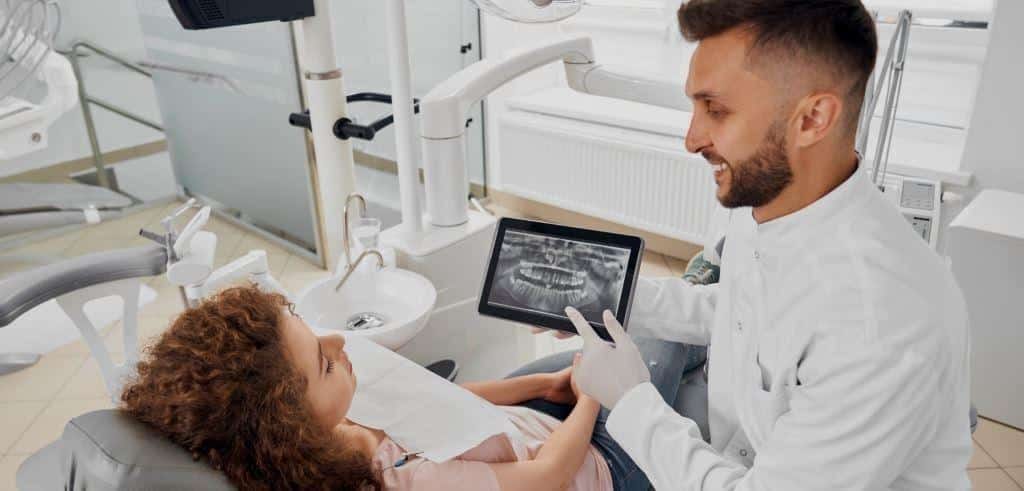
An examination and appropriate X-rays help assess the tooth and nearby structures. A panoramic X-ray may be useful; further imaging is selected only where the extra information is needed. Imaging helps planning but cannot remove every uncertainty or risk.
Tell the team about your medicines, allergies, medical conditions and previous problems with treatment. Blood tests are not routine for everyone. Do not stop prescribed medicines, including blood thinners, without advice from the clinician responsible for your care.
Local anaesthetic is commonly used. Sedation or general anaesthesia may be considered in an appropriate setting after individual assessment; disability or anxiety alone does not dictate one particular method. Follow the team’s preparation instructions, especially any fasting and escort requirements. Advice for local anaesthetic alone should not be applied to sedation or general anaesthesia.
What happens during surgery?
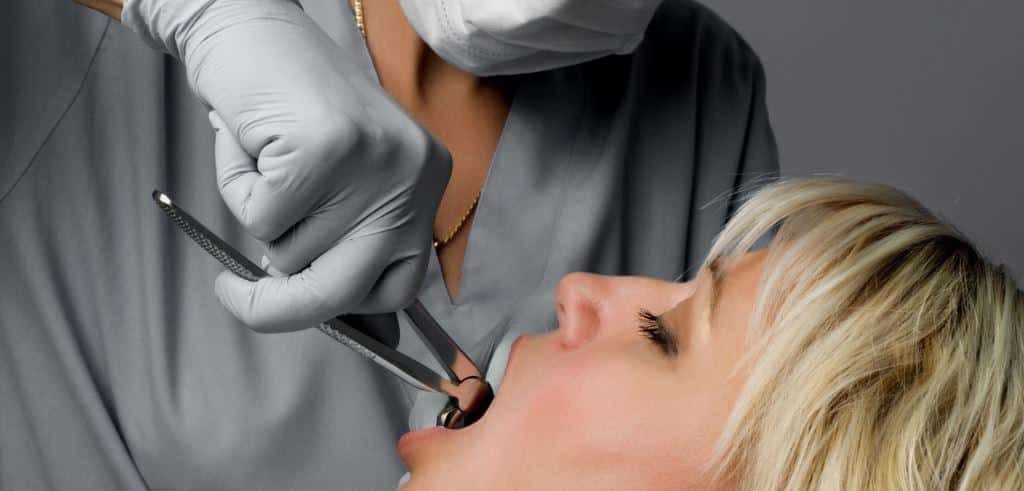
The clinician may make a small opening in the gum and remove some bone covering the tooth. Dividing the tooth into sections can make removal easier. Stitches are placed where needed.
Local anaesthetic is intended to prevent pain, although pressure or movement may still be felt. Tell the clinician if you feel pain so they can reassess the anaesthesia. The technique and time needed vary with the tooth.
Possible complications include bleeding, infection and dry socket. Depending on the tooth’s position, there may also be risks involving nearby nerves or the sinus. Ask how these apply to you before deciding.
Fees and payment
Our listed fee for surgical wisdom tooth removal is from £250, including placement and removal of stitches where needed. Your dentist will confirm the procedure and estimate after assessment. See our oral surgery fees.
For instalment options, check the current finance terms. Eligibility and approval conditions apply.

Looking after the wound
Follow the written instructions you receive. During the first 24 hours, avoid rinsing, spitting or touching the socket so the blood clot can remain in place. Choose soft food, avoid hot drinks while numb and take care not to bite your lip or tongue. Smoking can delay healing; follow the team’s advice about smoking, alcohol and activity.
Some soreness, swelling and stiffness are expected. Recovery varies, and the socket can take several weeks to close; it is not guaranteed to close within a week. Your team will explain cleaning, pain relief and any follow-up or stitch removal needed.
Contact a dentist promptly for worsening or severe pain, fever, increasing swelling or bleeding that does not settle. If urgent dental care is unavailable, contact NHS 111. Difficulty breathing or swallowing, or severe uncontrolled bleeding, needs emergency help through 999 or A&E.
Contact us to discuss a troublesome wisdom tooth or ask about your appointment.