Tooth extraction: when it is needed, recovery and fees
Originally published
Removing a tooth may be appropriate when it cannot be predictably repaired, has lost too much support or is causing a problem that other treatment cannot resolve. Extraction can also form part of an orthodontic plan. Your dentist should explain the reason, the alternatives and the likely consequences before you decide.
Pain alone does not mean a tooth must come out. Even irreversible inflammation of the pulp may be treated with root canal treatment if the tooth is suitable for restoration. A difficult or previously treated root canal may need further assessment or referral rather than automatic extraction.
How is the decision made?
The dentist examines the tooth, its supporting tissues and your bite, with X-rays when needed. Extensive decay, certain fractures, severe loss of support or repeated problems with an impacted tooth can make removal the best option. The prospects of keeping the tooth and your preferences both matter.
Tell the dental team about your health conditions and medicines, including blood thinners. Do not stop prescribed medicines yourself before an extraction. If a tooth is removed, discuss whether and how the gap should be replaced; not every gap needs the same treatment.
What happens during extraction?
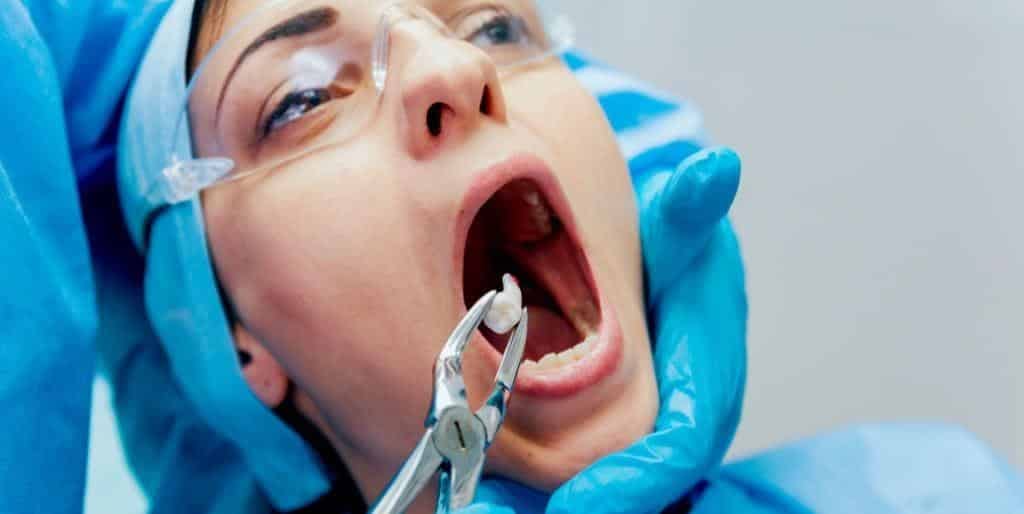
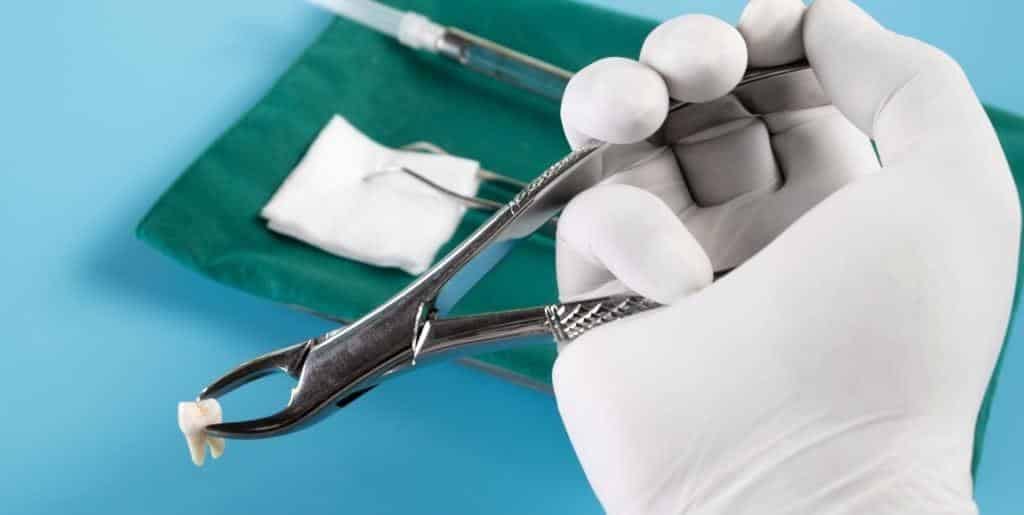
Local anaesthetic numbs the area. Pressure and movement can be felt, but you should tell the dentist if you feel pain so that they can address it. A straightforward extraction involves loosening and removing the tooth. More complex cases may require an incision, removal of some bone, dividing the tooth or referral for surgery.
The dentist checks the socket and gives you instructions for controlling bleeding and looking after the area. Stitches are used when appropriate. Antibiotics are not routinely necessary after every extraction and do not replace treatment of the underlying dental problem.
Protecting the socket afterwards
Follow the instructions given for your procedure. During the first 24 hours, avoid rinsing, spitting forcefully or touching the socket: these can disturb the blood clot. Eat soft foods and avoid hot food or drinks while the anaesthetic is still working. Take care not to bite your lip, cheek or tongue while numb.
From the following day, brush carefully around the area and use gentle salt-water rinses as advised. Avoid smoking and strenuous exercise for the period recommended by your clinician. Use pain relief only as directed and check with a pharmacist or clinician if you are unsure what is suitable for you.
A little blood mixed with saliva is different from active bleeding. If the socket is bleeding, bite firmly on gauze placed over it for 30 minutes without repeatedly checking. You can repeat this once. If bleeding remains active, seek urgent dental advice; do not simply wait six hours. Heavy or uncontrolled bleeding needs urgent help.
When should you ask for help?
Some pain and swelling are expected, but severe or worsening pain, fever, increasing swelling, an unpleasant discharge or persistent bleeding should be assessed. Dry socket can cause marked pain after extraction and needs dental care; it is not automatically an infection requiring antibiotics.
Contact your dentist or NHS 111 if you need urgent advice and cannot reach the practice. Difficulty breathing or swallowing, or swelling affecting the eye, requires emergency help. Healing varies, and a socket can take several weeks to close even when discomfort has settled.
Extraction fees
Our listed fees for straightforward extractions are:
- Incisors and canines: £140.
- Premolars: £160.
- Molars: £170.
Surgical extractions are listed separately on the oral surgery fee page. Your estimate should reflect the procedure you need, so ask what is included and whether any imaging or follow-up has a separate fee.

Good daily care and dental reviews can reduce the risk of decay and gum disease, but cannot guarantee that you will never need an extraction. Contact us if you have a painful or damaged tooth so that the options can be assessed.