Getting back to dental care after a disruption
Originally published
This article was first published during the COVID-19 lockdown in 2020. The booking rules and restrictions described at that time are historical, not current instructions for attending the practice. The advice below focuses on getting back to dental care after a disruption. Contact the practice for today’s arrangements.
Illness, travel difficulties, cost and caring responsibilities can all interrupt treatment. If you have missed appointments, you can ask for help without having to justify the delay.
Do not wait for pain to become severe
Decay and gum problems can develop without obvious pain. An examination can help identify what needs attention and which appointments can be planned over time. There is no fixed number of days or weeks before a small problem becomes painful.
If you already have toothache, contact a dentist. Explain how long it has lasted, whether it affects sleep or eating, and whether there is swelling or fever. Do not assume you must simply endure several days of pain because your usual practice has no appointment available. NHS 111 can advise if you cannot access urgent dental care.
Swelling around the eye or neck, or swelling that affects breathing, swallowing or speaking, needs emergency assessment at A&E; call 999 if you need an ambulance. Painkillers and home measures can ease symptoms temporarily but do not treat the underlying dental cause. Our toothache advice explains what to do while arranging care.
Continuing treatment started elsewhere
If your treatment began in Poland or at another practice, bring any available treatment plan, X-rays and details of work already completed. The new dentist will need to assess your current condition before agreeing how to continue.
The original plan may need to change. Ask for a written estimate, the order of treatment and an explanation of alternatives. Transferring care does not automatically mean the same plan can be followed or that it will cost less. For more detail, read about dental treatment plans.
If you are considering instalments, check the current finance terms. Eligibility and approval conditions apply; a past patient’s saving or finance arrangement does not establish what will be available to you.
Rebuild a manageable routine
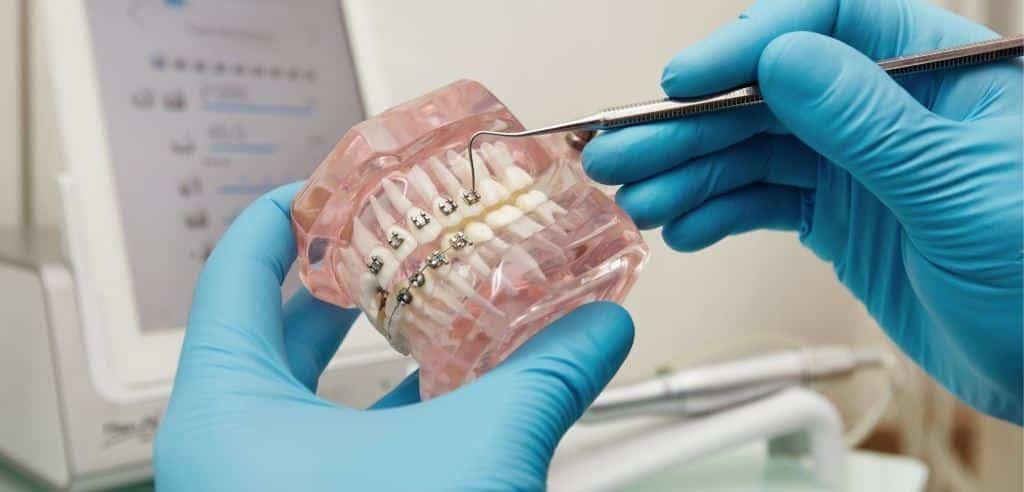
Brush twice daily with fluoride toothpaste, including last thing at night, and spit out after brushing rather than rinsing. Ask your dental team about cleaning between your teeth and any changes needed for braces, bridges or other dental work.
Routine check-ups are scheduled according to your needs and risk, not automatically every six months. Contact the practice if symptoms develop between planned visits. Professional cleaning can remove deposits and some surface staining, but it does not replace daily care or guarantee that gum disease will be prevented.
Children also need dental care. Arrange their first visit when the first milk teeth appear and ask for advice suited to their age. Decay can progress, but there is no reliable rule that every child’s tooth will be destroyed within two months. See our guide to caring for children’s teeth.
Braces or whitening are choices to discuss once your oral health has been assessed. You do not need cosmetic treatment to make up for a period when dental care was difficult to access.
Planning your visit
Contact the practice for appointment availability, current booking arrangements and any preparation needed. Mention symptoms or support needs when booking so the team can advise you.
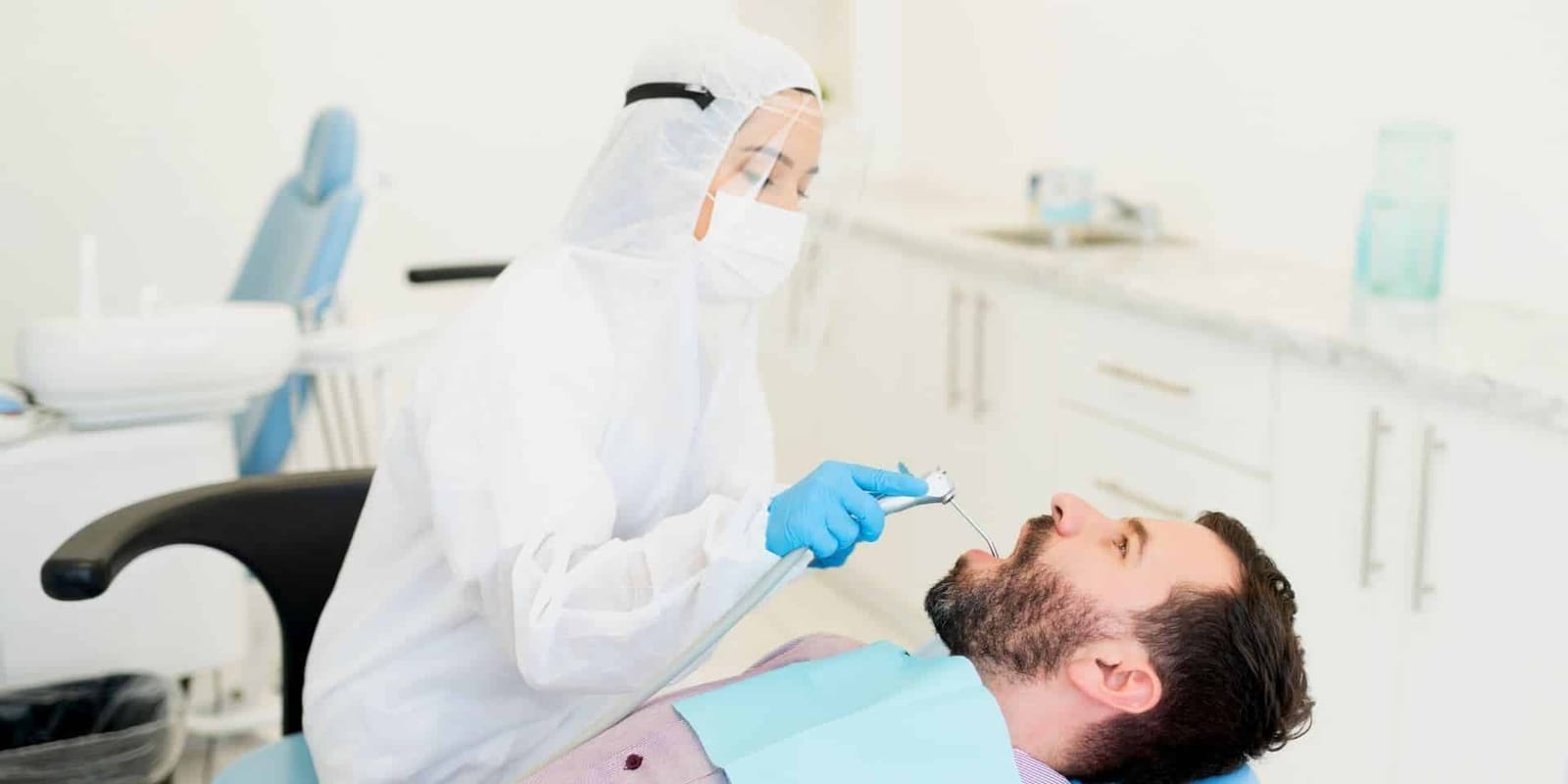
If you feel unwell before an appointment, call for advice rather than relying on old lockdown rules. The team can explain what to do for your circumstances. Infection prevention measures reduce risk, but no practice can promise that infection is impossible.