
Dental treatment plans: understanding your options and costs
Originally published
A dental treatment plan should help you understand what needs attention, what your options are and how much the proposed care is expected to cost. It is more than a list of procedures. You should have time to discuss the reasons for treatment and ask questions before deciding whether to go ahead.
If you have a plan from a dentist in Poland or elsewhere, bring it to your consultation. It can provide useful background, but a new dentist still needs to assess your current oral health before recommending care or confirming an estimate.
How a treatment plan is prepared
The dentist asks about your symptoms, medical history and priorities, then examines your teeth, gums and bite. X-rays or other tests may be needed. Treatment for gum problems or professional cleaning can sometimes be necessary before a final plan is agreed, but cleaning is not a compulsory first step for every patient.
The plan may address urgent pain or infection first, followed by other treatment and prevention. Cosmetic wishes can be discussed too. Wanting straighter teeth or a replacement for a missing tooth does not automatically make braces or implants the right choice.
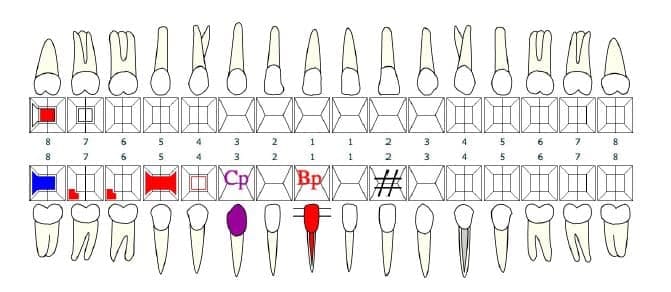
What should the written plan explain?
Before agreeing to treatment, make sure you understand:
- the problem being treated and which teeth are involved;
- the proposed treatment, its benefits, risks and limitations;
- reasonable alternatives, including what may happen without treatment;
- the expected appointments, overall timescale and aftercare;
- the estimated fees, what they include and anything that may cost extra.
A complex course may need stages, with decisions reviewed as treatment progresses. A written plan helps you keep track of those choices, but does not guarantee an outcome or an exact completion date.
The General Dental Council’s communication standards require a written treatment plan before treatment, with costs explained. If the plan or estimate changes, the dental team should explain the change and obtain your consent before proceeding.

Comparing treatment in Poland and the UK
Compare the proposed care rather than the headline totals alone. Two plans may cover different teeth, materials, tests or follow-up. Ask each dentist to explain any differences, particularly when one recommends keeping a tooth and another recommends removing it.
For treatment abroad, include travel, accommodation, time away from work and the practical arrangements for reviews or unexpected problems. A lower initial fee may not mean a lower overall cost, but treatment in the UK is not automatically cheaper either.
Avoid relying on an old exchange rate or a previous patient’s bill. Current written estimates for your own needs are a more useful basis for deciding. Our fee pages provide a starting point, rather than a personalised quote.

Bringing an existing plan to our practice
Bring the plan, relevant dental records and any available X-rays, and tell us about symptoms or treatment since it was prepared. Even a recent plan may need updating if your condition has changed. Its date alone cannot confirm that it still reflects your teeth.
Contact the practice to ask what to bring and arrange an assessment. Do not delay care for pain or swelling while collecting paperwork or comparing estimates.
Payment and changes during treatment
Ask when each payment is due and which costs are estimates. If extra care becomes necessary, request an explanation of the options and an updated written plan before deciding.
For instalment options, use the practice’s current finance information. The availability of finance, eligibility and terms need to be checked; having a treatment plan does not guarantee approval or interest-free borrowing.

A useful final question is: “What do I need to decide now, and what can wait?” That gives you a clearer basis for choosing treatment without feeling that every item on a plan has to happen at once.