Looking after your teeth at Christmas
Originally published
Christmas often changes our routines: meals last longer, sweet snacks stay within reach and bedtime gets later. You do not need to give up your favourite dishes to look after your teeth, but a little planning helps.
Keep your usual cleaning routine and check how to contact a dentist over the holidays. If a tooth is already painful or a filling has broken, arrange advice rather than hoping it will wait until January.
Eating comfortably with dentures
Poppy-seed cake, kutia and other festive dishes can leave small particles beneath a removable denture. If something becomes trapped, remove the denture and rinse it and your mouth rather than continuing to chew through discomfort.
A denture that regularly rubs or shifts needs its fit checked. Replacing it with implants is not an automatic solution or a decision to make as a last-minute Christmas purchase. Options depend on your mouth, health and preferences.
Our five steps for denture care cover cleaning and storage.

Keep sweet treats with meals
Repeatedly eating sugary food gives plaque bacteria frequent opportunities to produce acids. Having a dessert with a meal is a better pattern than nibbling gingerbread or sucking sweets throughout the afternoon. This is about reducing the frequency of exposure, not eating a large amount in one sitting.
Good cleaning helps protect teeth, but it does not make frequent sugar harmless. A tooth with decay or an existing problem may also become painful with sweet or cold food. Persistent symptoms need a dental check.
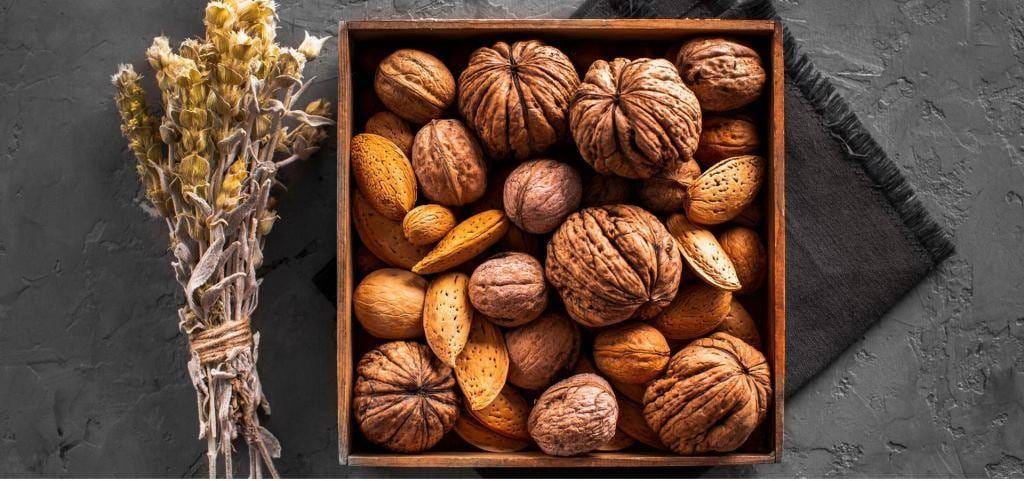
Use a nutcracker, not your teeth
Crack nuts with the proper tool, and do not use your teeth to open bottles or tear packaging. Hard objects can damage a tooth, filling, crown or brace.
Take care with fish bones when preparing and eating carp or other fish. Do not try to bite through a bone or dig into your gum with a sharp object if one becomes caught. Seek advice if you cannot remove it easily or pain persists; difficulty breathing or swallowing needs urgent medical help.
If you wear braces or have recently had dental treatment, follow the food advice you were given. Cut firmer foods into manageable pieces rather than forcing a painful bite.

Wine, soft drinks and staining
Wine, including red wine, can be acidic. Mulled wine, mixers and festive soft drinks may also contain sugar. Try not to sip sugary or acidic drinks continuously; water is a useful choice between meals and drinks.
Red wine can stain teeth, but scrubbing harder or repeatedly brushing after each glass is not the answer. Keep brushing twice a day with fluoride toothpaste and follow any individual advice about erosion. Our guide to enamel erosion explains the difference between staining and acid wear.
If you want to change the shade of your teeth, discuss whitening with a dentist rather than trying lemon juice or abrasive powders. See our guide to home whitening methods.

Keep the toothbrush in your routine
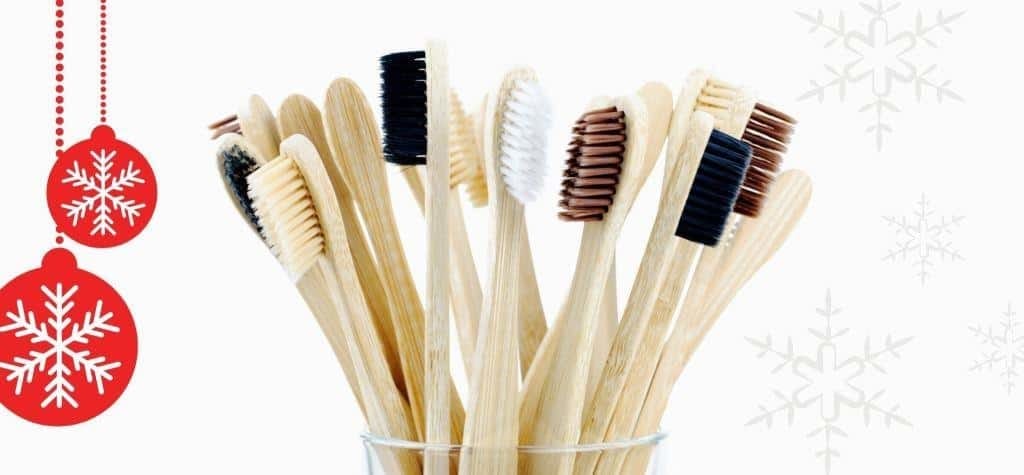
Brush for about two minutes, last thing at night and at one other time of day, and clean between your teeth. Pack your usual supplies if you are staying away. Children still need help with brushing according to their age and ability, even on busy evenings.
An apple is food, not a replacement for brushing. Sugar-free chewing gum can stimulate saliva, which helps neutralise acids, but it cannot replace fluoride toothpaste either. Avoid gum if it causes jaw discomfort, sticks to your denture or conflicts with your orthodontist’s instructions.
Know where to get help
A check-up can identify problems, but no appointment guarantees an emergency-free holiday. Check the practice’s actual opening arrangements rather than relying on an old Christmas notice.
If you need urgent dental advice when the practice is closed, contact NHS 111. Swelling that affects breathing, swallowing or speaking needs emergency help. Our toothache guide explains the warning signs and temporary measures while arranging care.
For routine appointments, contact the practice. A steady routine does more for your teeth than trying to compensate for Christmas with extra-hard brushing afterwards.