
Teeth whitening at home: remedies, risks and professional options
Originally published
Teeth naturally vary in colour. The dentine beneath the enamel contributes to their shade, so healthy teeth do not have to be bright white. If you would like a lighter shade, first find out whether the colour comes from surface staining, changes within the tooth or a dental problem.
A dentist-provided whitening kit can be used at home. That is different from rubbing teeth with kitchen ingredients or buying an unfamiliar gel online. The treatment, assessment and instructions all matter.

Stain removal and whitening are different
Tea, coffee and smoking can leave surface stains. Professional cleaning or a suitable toothpaste may remove some of these, but that does not necessarily change the underlying tooth colour. Peroxide whitening acts on discolouration in natural teeth.
Crowns, veneers, dentures and tooth-coloured fillings do not whiten in the same way. Your dentist can explain whether a colour mismatch is likely. If one tooth has suddenly darkened, have it checked before trying to whiten it.
Baking soda, salt, lemon and fruit
Scrubbing with kitchen powders is not a reliable way to choose a safe dental treatment. Salt and homemade baking-soda mixtures are different from a formulated fluoride toothpaste, which has been designed and tested for use on teeth. Some toothpastes containing baking soda can help remove surface stain; this does not validate a homemade recipe.
Lemon juice and other acids can contribute to enamel erosion. Strawberries or banana peel are not established bleaching treatments. Avoid repeatedly rubbing acidic mixtures over your teeth in the hope of making them whiter.
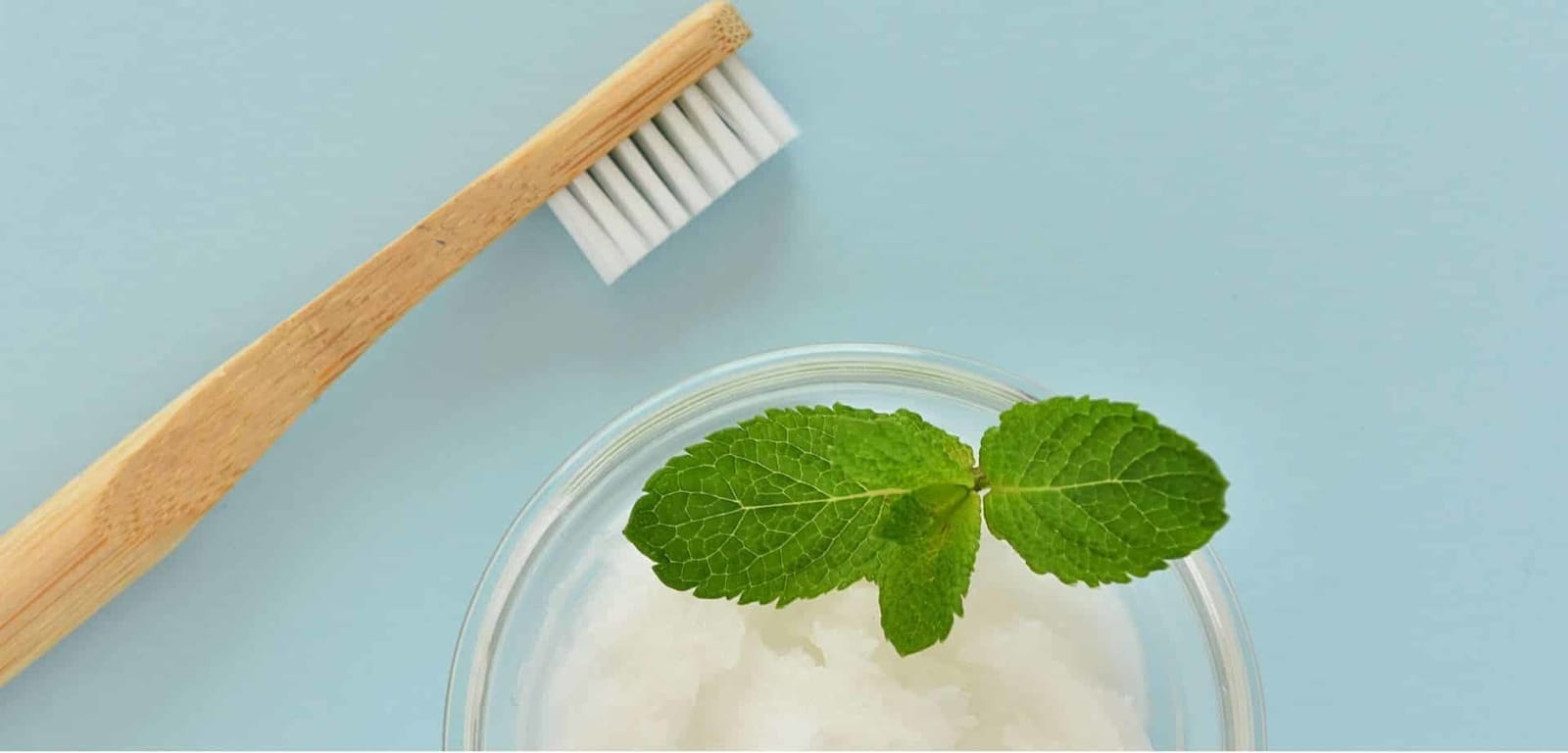
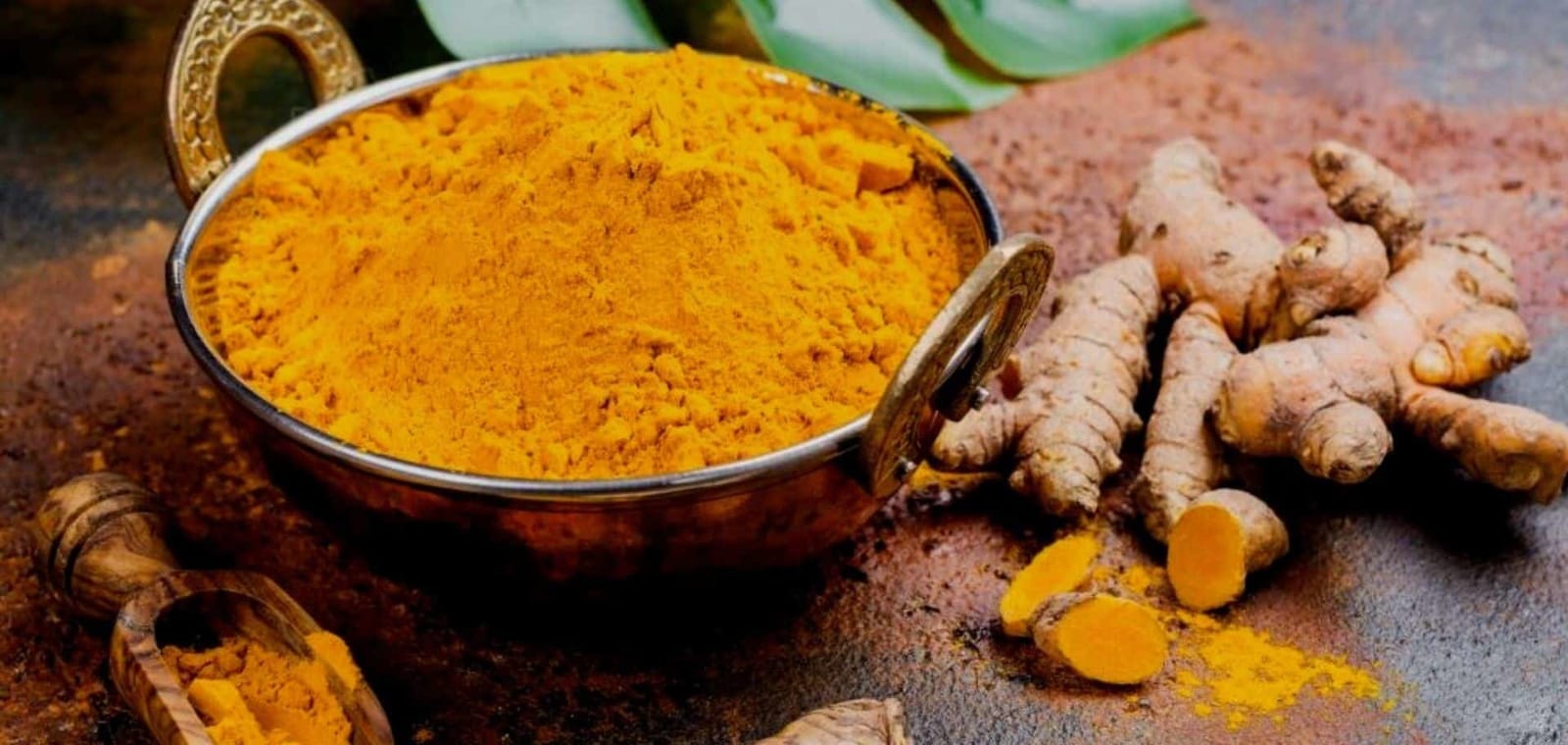
Turmeric and oil pulling
There is no good evidence that turmeric recipes or swishing cooking oil provide predictable whitening. Adding essential oils does not make a homemade mixture a tested dental product. These methods should not replace fluoride toothpaste or care for a dental problem.
The American Dental Association does not recommend oil pulling as a dental hygiene practice because reliable evidence of benefit is lacking. Months of persistence are not a reason to expect a whitening result.
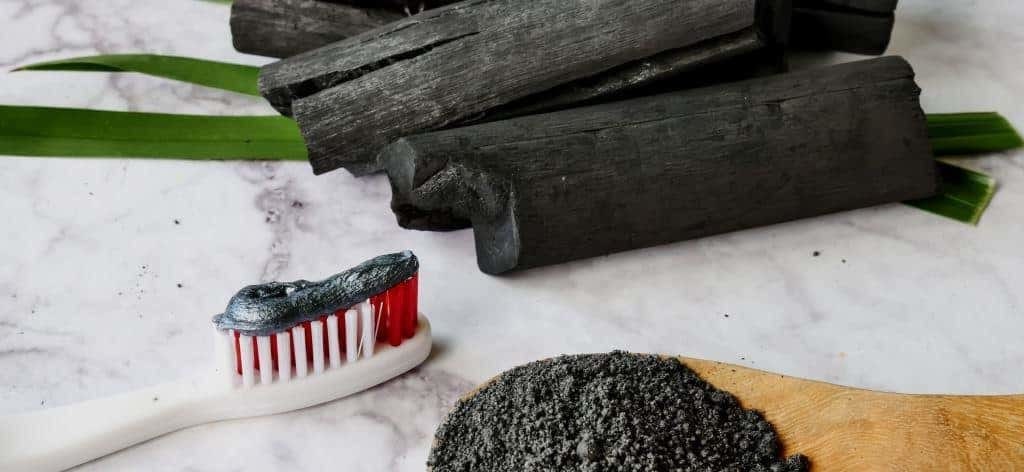
What about activated charcoal?
Charcoal products vary. Evidence is insufficient to establish that charcoal whitening products are both effective and safe, and abrasive powders can be a concern. Check whether a toothpaste contains fluoride rather than assuming that a whitening label means it also helps prevent decay.
Do not brush with charcoal taken from a medicinal capsule or with loose charcoal. The ADA’s review of whitening methods explains the difference between established treatments and popular home approaches.
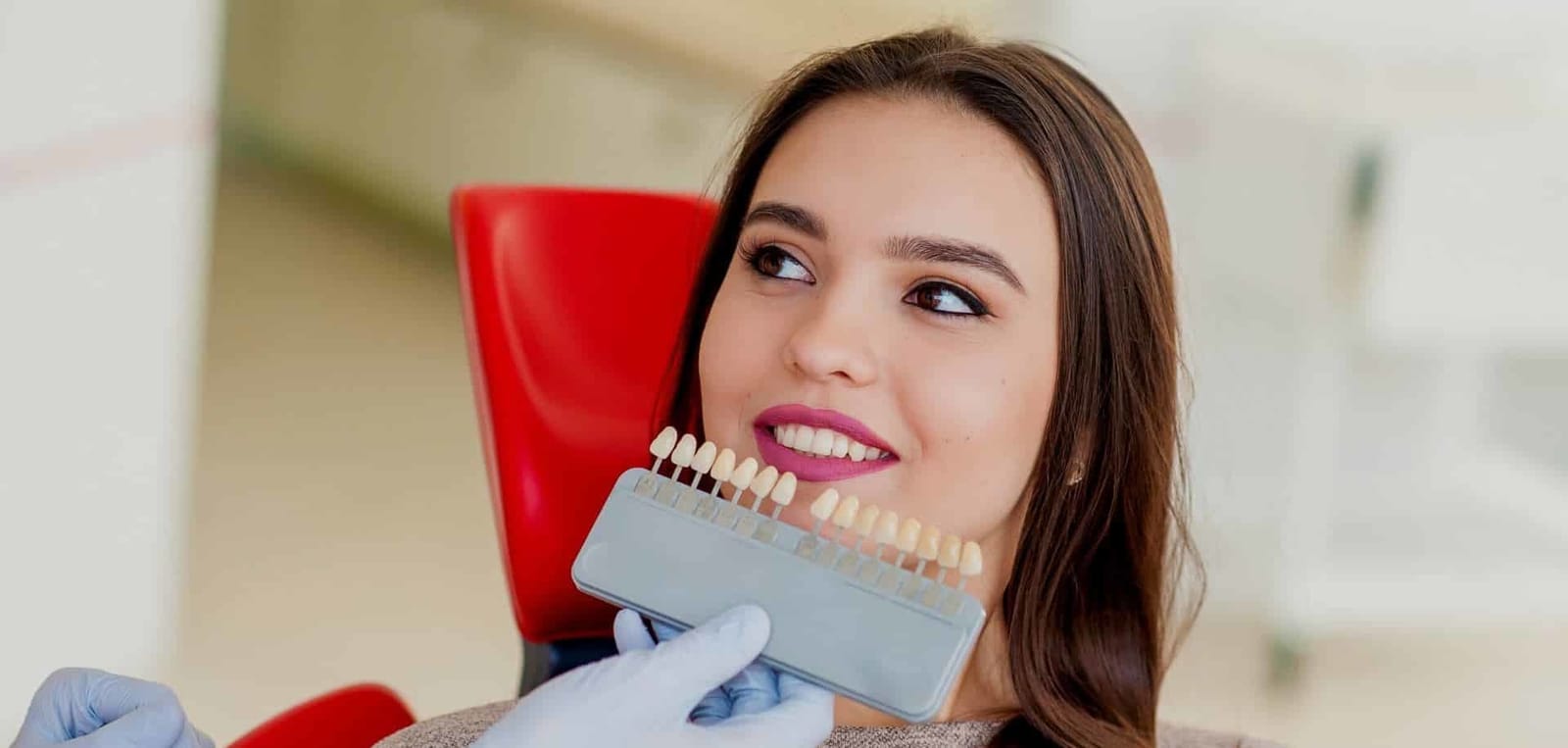
Whitening through a dentist
A dentist can assess your teeth and gums, discuss the likely result and explain the options. Cosmetic whitening is for adults aged 18 and over and is not recommended during pregnancy or breastfeeding. Decay, gum problems or unexplained pain may need treatment first.
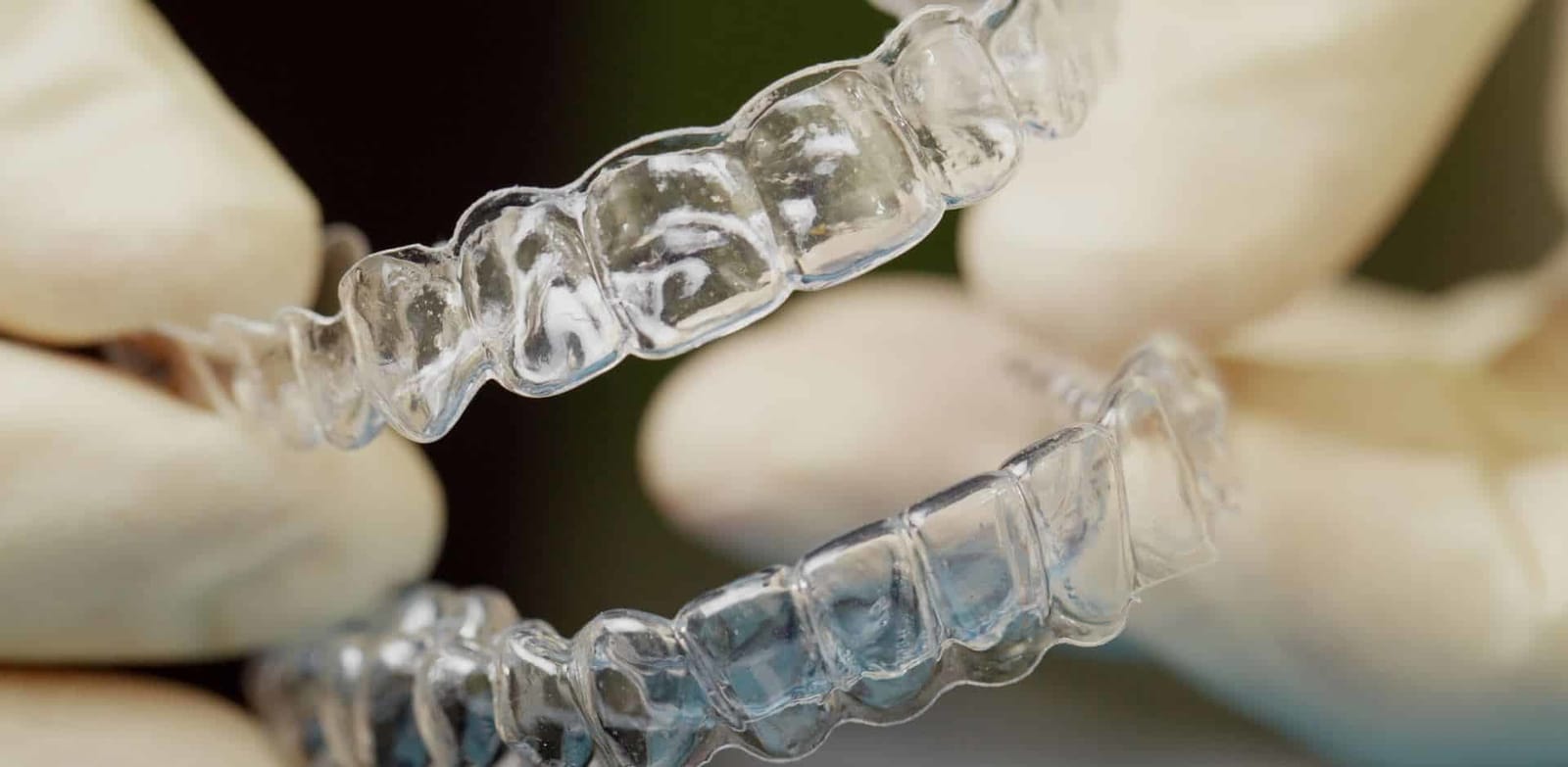
With a dentist-provided kit, you use fitted trays and the prescribed gel according to the instructions. Professional peroxide whitening starts with first use by a dental practitioner or under their direct supervision before you continue at home. Our home whitening kit guide explains the process and current fee.
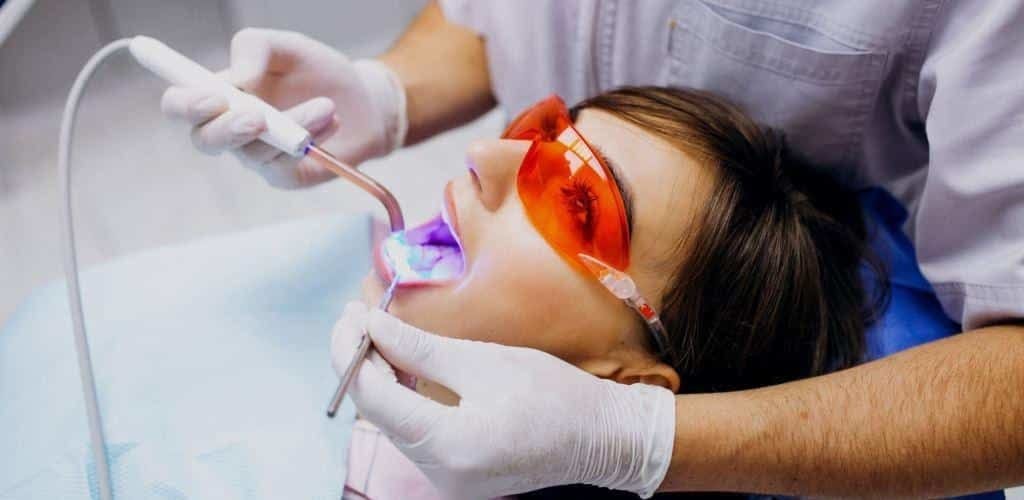
Some treatments take place in the surgery. A lamp or a short appointment does not, by itself, promise a better or longer-lasting result. Ask which product is proposed, how it will be used and what follow-up is included.
Sensitivity and gum irritation can occur with whitening. Contact the dental team if treatment causes discomfort; persistent or significant pain needs assessment. Do not increase the gel strength or treatment time yourself.
Enlighten and a single dark tooth
Enlighten is one professional whitening option. Its manufacturer states that it guarantees Vita shade B1 and does not require a “white diet”. Your dentist still needs to assess suitability and explain the treatment and guarantee as they apply to you. This is not a promise that every whitening product has the same result or conditions.
A single dark tooth, including one that has had root canal treatment, may need a different approach. Its colour alone does not prove that the root canal treatment failed. A dentist checks the tooth and existing restoration before discussing options; internal bleaching may be suitable in selected cases. Results and risks need discussion, and whitening cannot replace treatment of infection or a damaged seal.

Planning treatment and costs
Check our whitening fees and ask what your proposed treatment includes. Products and techniques are not interchangeable, so an old price for one method should not be treated as a quote for another. Details of payment arrangements are on our current finance page.
Continue everyday cleaning during and after treatment, following your dental team’s advice. Whitening is a cosmetic choice; it does not replace healthy gums or sound teeth.