
Home teeth whitening kits: what to expect from your dentist
Originally published
A home whitening kit supplied by a dentist lets you carry out part of your treatment at home using whitening gel and trays made for your teeth. The dental assessment and instructions are part of the treatment, even though you use the kit away from the surgery.
This differs from buying an unfamiliar gel online or trying a kitchen remedy. Before starting, you need to know why your teeth have changed colour, whether whitening is suitable and what result is realistic.
Before you start
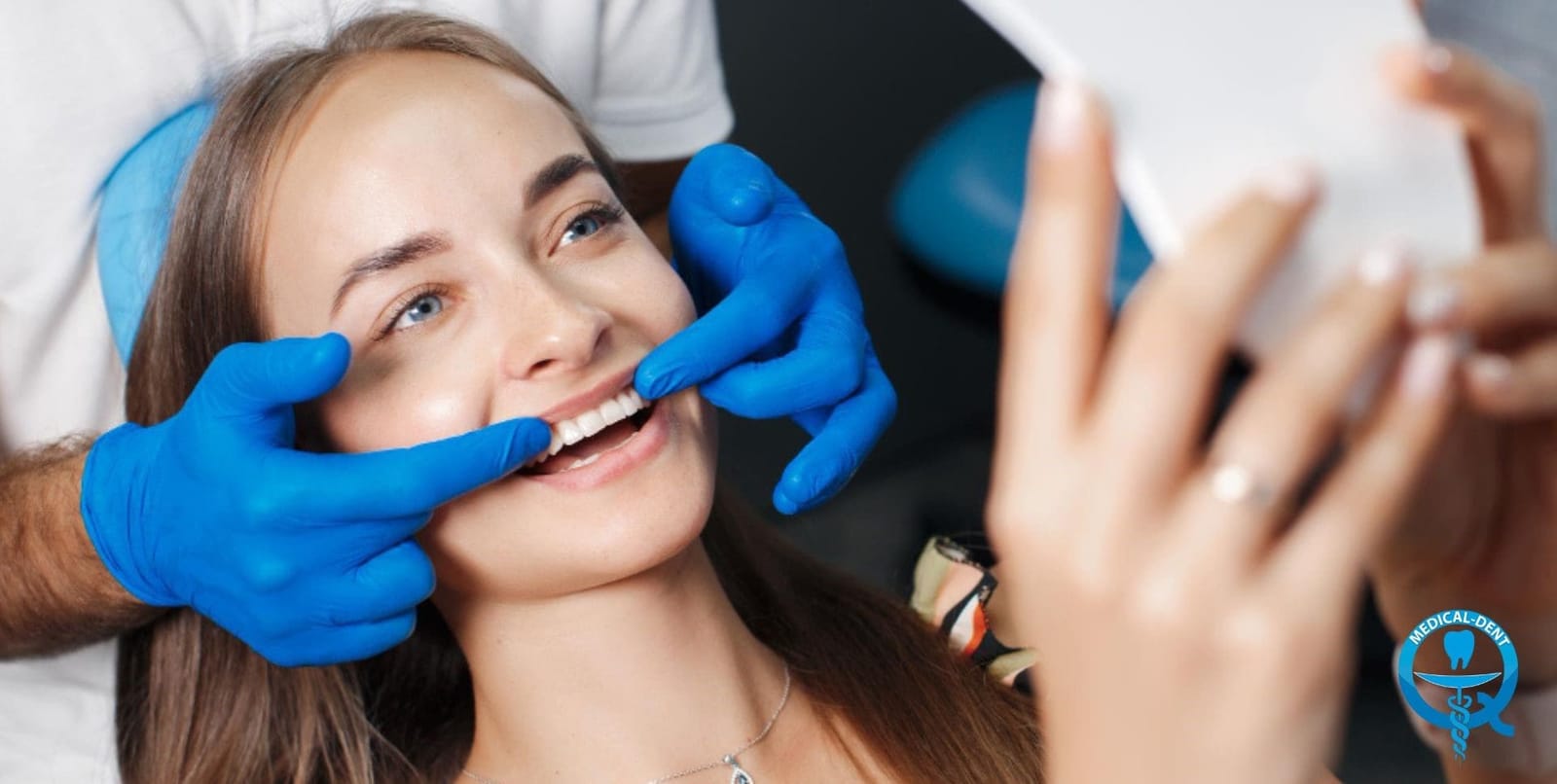
Your dentist checks your teeth and gums and discusses the shade you would like. Decay, gum disease or unexplained pain may need attention first. Existing sensitivity needs assessment; it does not always rule out whitening.
Whitening changes the colour of natural teeth. Fillings, crowns, veneers and dentures do not whiten in the same way, so visible restorations may no longer match. Having a filling does not automatically make you unsuitable, but the position and condition of restorations matter.
Cosmetic whitening is for adults aged 18 and over. The NHS advises against whitening during pregnancy or breastfeeding. Tell your dentist about your health, medicines and any previous reaction to whitening products.
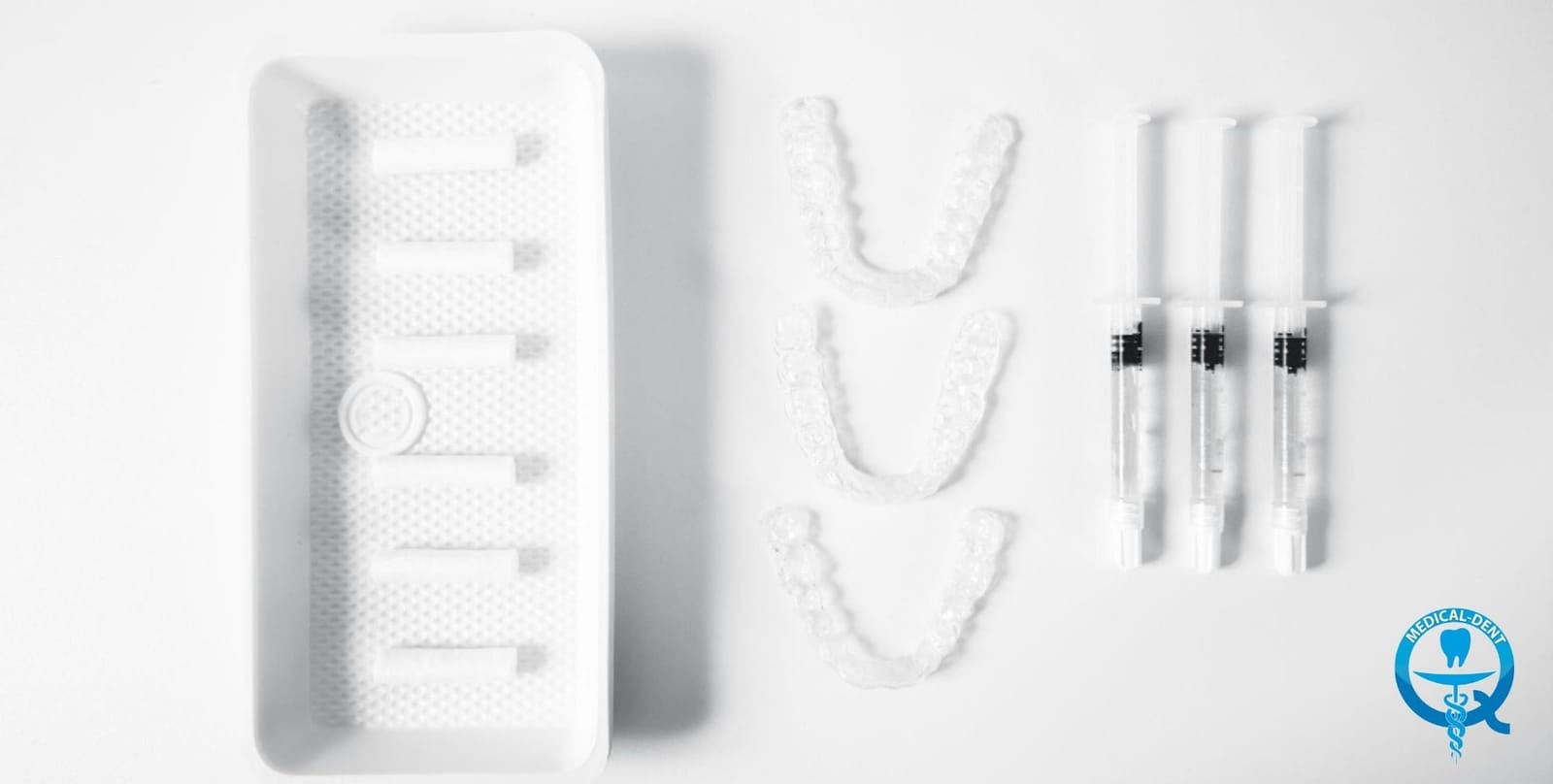
How the kit works
The trays hold a measured amount of gel against the teeth. Professional gels may contain hydrogen peroxide or carbamide peroxide. These ingredients bleach tooth discolouration; carbamide peroxide is not the same as carbamide on its own.
Your dental team checks the fit and shows you how to use the product. Under GDC requirements, the first use of a professional peroxide whitening cycle is by a dental practitioner or under their direct supervision before you continue at home.
Well-fitting trays help control where the gel goes, but they do not guarantee freedom from irritation. Adding extra gel or choosing a stronger product yourself will not make treatment safer or guarantee a better result.
Using the trays at home
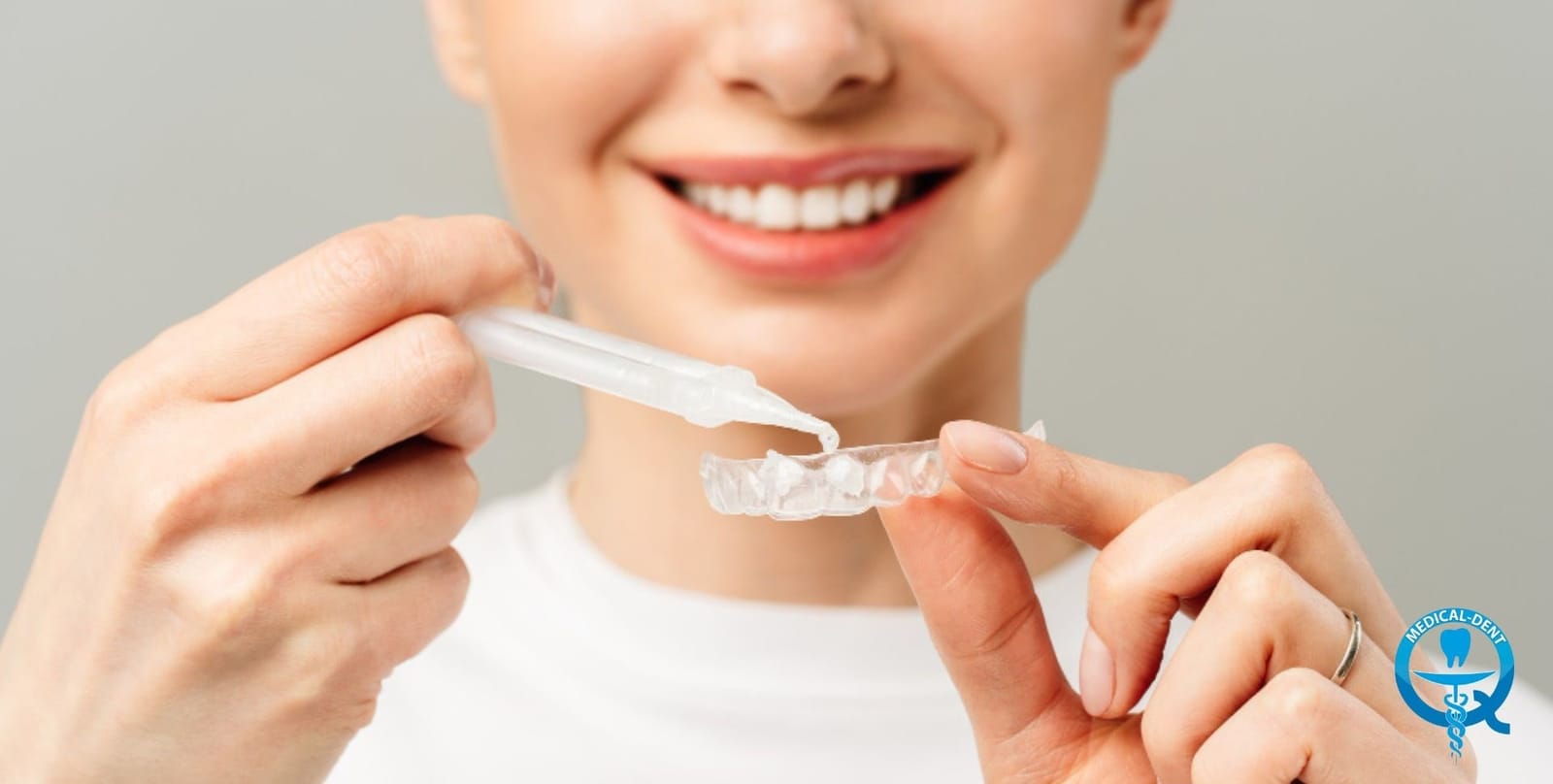
Follow the instructions for the gel you have actually been given. Wear time and the length of the course vary between products and patients. Do not assume that every kit is suitable for overnight use, or extend the wear time to catch up on a missed session.
Use only the amount shown by your dental team. After use, clean the trays as instructed and store the gel according to its label, out of children’s reach. Avoid hot water that could distort the trays.
Temporary sensitivity and gum irritation can occur. If treatment causes discomfort, pause and contact your dental team for advice about the next step. Persistent or significant pain should be assessed rather than covered up with more whitening or painkillers.
Our guide to sensitive teeth explains why sensitivity can have causes other than whitening.
Results and keeping in touch
Teeth usually lighten gradually. The starting shade and type of discolouration affect the result, and your dentist can help you judge progress. There is no single wear schedule or lasting shade that can be promised for every home kit.
Keep any planned review appointment. If the colour later changes, ask before restarting with old gel or using trays that no longer fit. Continue brushing twice a day with fluoride toothpaste and cleaning between your teeth; whitening does not treat decay or gum disease.
How much does the kit cost?
Our home teeth whitening kit is £300. Ask the team what is included in your proposed treatment and whether any other care is needed first. You can check our whitening fees before arranging an appointment.