Sensitive teeth: what helps at home and when to see a dentist
Originally published
A short, sharp pain when you sip something cold or brush a tooth can be a sign of sensitivity. It is common, but pain is not something you have to put up with. The right approach depends on what is causing it.
Home care may reduce symptoms. It cannot tell you whether a sensitive tooth also has decay, a crack or a damaged filling, so new, persistent or worsening symptoms deserve a dental check.
Why teeth become sensitive
Dentine lies beneath the enamel and covers the root beneath its protective surface. It contains tiny channels that lead towards the sensitive tissue inside the tooth. When dentine becomes exposed, cold and other stimuli can trigger pain.
Gum recession, acid wear and brushing too forcefully can contribute. Sensitivity can also follow whitening or some dental treatment. It is not automatically a sign of poor hygiene, and not every painful tooth has exposed dentine.
Tell your dentist if pain is in one tooth, lingers after a trigger, occurs when you bite or wakes you at night. These details help distinguish sensitivity from problems needing a different treatment. Seek urgent dental advice for severe pain, swelling or fever; NHS 111 can help if you cannot access a dentist.
Start with gentle, regular cleaning
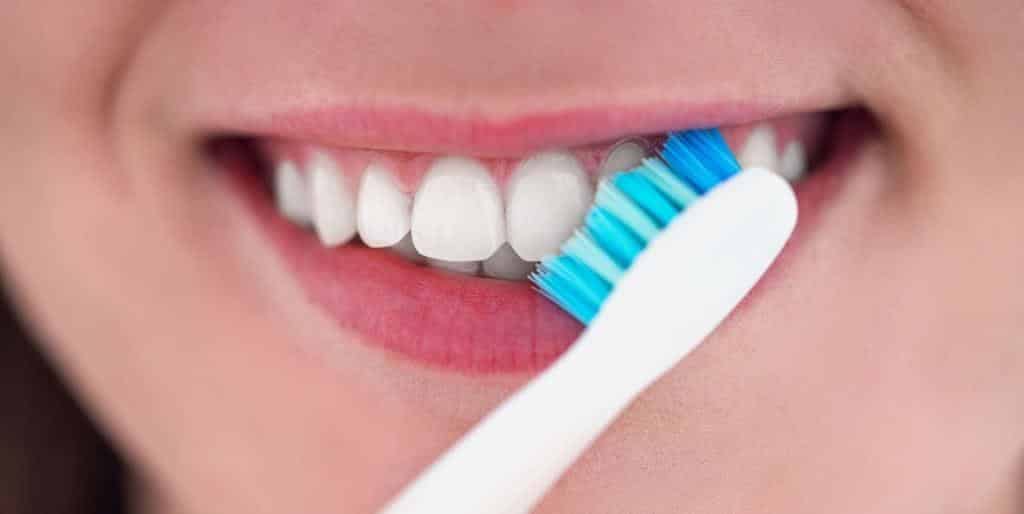
Brush twice a day with fluoride toothpaste, including last thing at night. Use a soft toothbrush and a gentle technique rather than scrubbing harder to remove stains. Your dental team can show you how to clean around exposed roots and between your teeth without injuring the gums.
A fluoride toothpaste designed for sensitive teeth can help. Products work in different ways, and improvement may take repeated use. Follow the label and ask your dentist or pharmacist if you are unsure which to choose. A single abrasion number is not enough to decide whether a toothpaste suits you.
Spit out after brushing rather than rinsing away the toothpaste. Mouthwash is not a required treatment for every sensitive tooth; if your dentist recommends one, use it as directed.
Look at what triggers the symptoms
Frequent acidic drinks and foods can contribute to tooth wear. Try to reduce repeated sipping of acidic drinks over the day and avoid holding or swishing them around your mouth. Water is a useful everyday drink. You do not need to exclude all fruit or other nutritious foods.
Reflux or repeated vomiting may expose teeth to stomach acid. Speak to your GP as well as your dentist if this is happening. After vomiting, rinse with water and avoid brushing immediately.
Advice about brushing after other acidic foods and drinks should fit your circumstances. There is no well-established waiting time that everyone must follow. Keep up twice-daily fluoride brushing and ask your dentist about your own pattern of wear or sensitivity. Our enamel erosion guide explains the role of acid exposure.
If whitening has made your teeth uncomfortable, pause the treatment and contact the dental team before continuing. More gel or longer wear is not a solution.
Do oil pulling and kitchen remedies help?
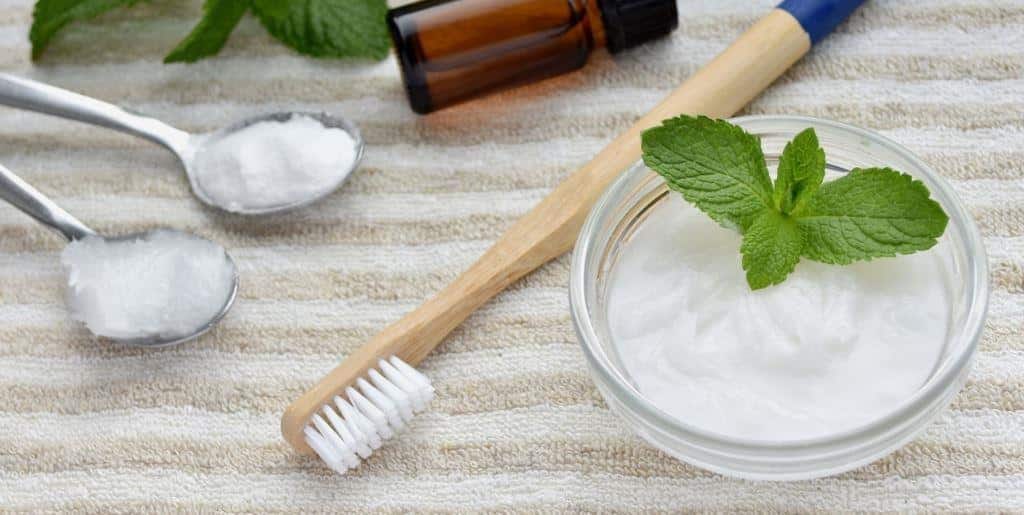
Oil pulling, onion rinses and homemade salt or baking-soda mixtures do not reliably treat the cause of sensitivity. Avoid scrubbing teeth with powders or applying concentrated oils. “Natural” does not tell you whether something is suitable for an exposed root or sore gum.
A balanced diet supports general health, but vitamin supplements do not regrow lost enamel. Take supplements when appropriate for your health or on professional advice, rather than as a promised cure for sensitive teeth.
What can your dentist offer?
An examination helps identify the cause. Depending on the findings, your dentist may recommend a different home-care routine, a fluoride or desensitising treatment, treatment of gum disease, or repair of a damaged tooth. Professional cleaning may be appropriate, but it is not a guaranteed cure for every case.
The Oral Health Foundation’s guide to sensitive teeth describes common causes and treatment options. If your symptoms persist despite using a sensitivity toothpaste as directed, arrange a review rather than trying increasingly strong home remedies. Your dentist can also advise how often you need check-ups.