
How to care for your dentures: five practical steps
Originally published
Dentures need daily cleaning, and your mouth still needs care when you take them out. Food and plaque can collect on the surfaces and around any remaining teeth, contributing to soreness, bad breath and infection.
There is no single storage rule for every denture. Follow the instructions for your denture’s material and any special lining, rather than assuming that keeping it in water is always wrong or that it must always be left dry.
If you are considering a new denture, our guide to denture types and prices explains the main options.
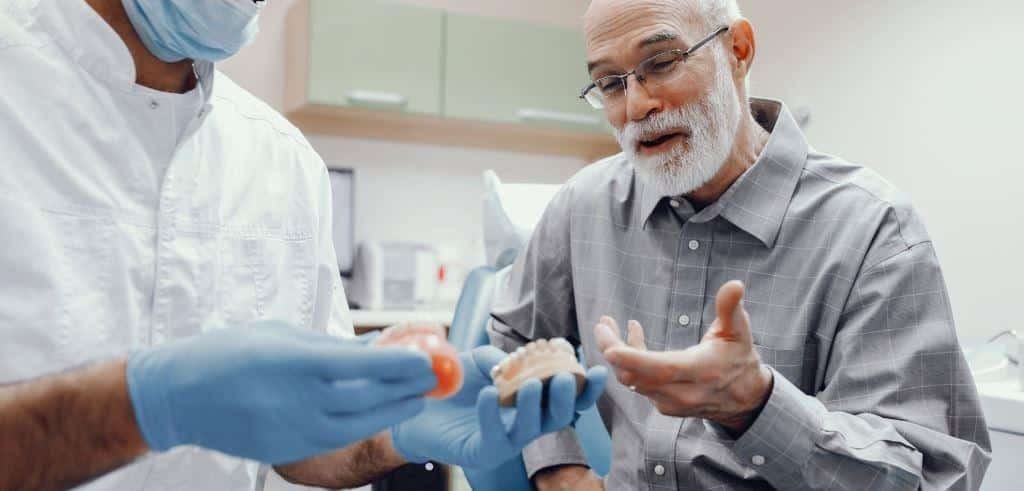
1. Clean every surface gently
Remove your denture and brush it thoroughly morning and evening. Rinse away food after meals when practical. Use a soft brush and a cleaner recommended for that denture; mild soap is suitable for many conventional dentures. Rinse well before putting it back in your mouth.
Ordinary toothpaste can be too abrasive for dentures. A denture cleaner also needs to suit the material: a product for an acrylic denture may be unsuitable for metal parts or a soft lining. Follow the label, including soaking time, and ask your dental team if you are unsure.
Clean over a towel or a basin containing water to cushion the denture if you drop it. Avoid hot or boiling water, which can distort it, and do not scrape deposits off with a sharp tool. If brushing does not remove them, ask the dental team for help.
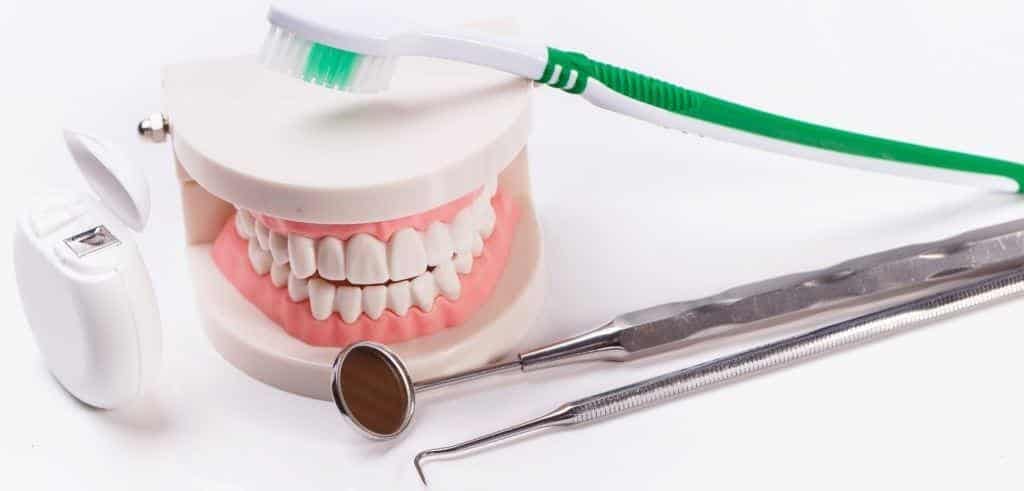
2. Give your mouth a break overnight
Normally, take dentures out before sleeping. This gives the tissues underneath a rest and helps reduce problems associated with continuous wear. Cleaning alone does not make overnight wear suitable for everyone.
There can be exceptions immediately after teeth have been removed. If you have been given an immediate denture, follow your dentist’s specific instructions for the first night and the healing period. Do not change those instructions on the basis of a general care article.
3. Store them as instructed
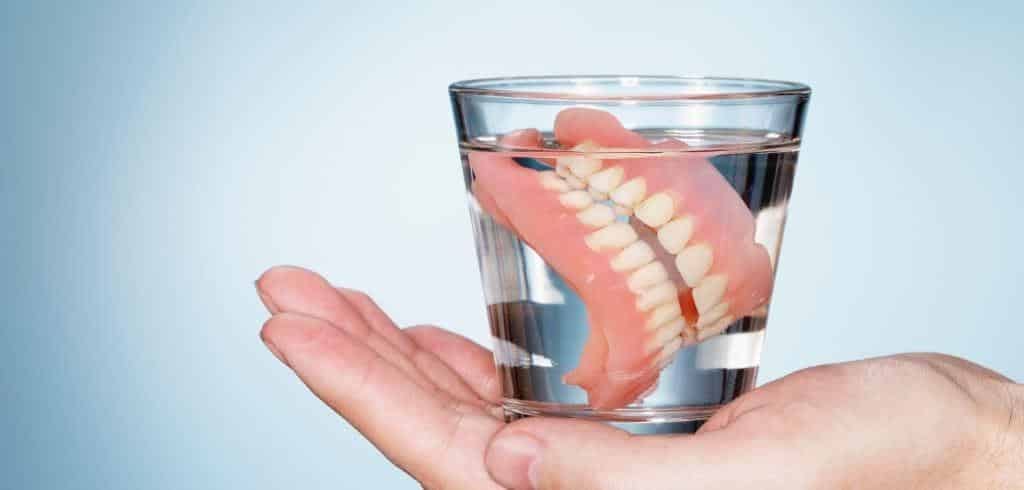
After cleaning, put the denture in a safe, clean container out of reach of children and pets. Your dentist can tell you whether it should be kept in water, a suitable solution or dry. If you use water, change it daily; clean the container too.
The NHS denture guide includes water among its storage options, while Guy’s and St Thomas’ guidance also describes dry storage. Neither supports a blanket claim that water inevitably ruins a denture or causes a fungal infection.
Do not leave a denture in cleaning solution longer than the product instructions allow. A brief cleaning soak and overnight storage are not necessarily the same thing.
4. Clean your mouth as well
Brush any remaining natural teeth twice a day with fluoride toothpaste and clean between them using a suitable interdental brush or floss. Pay attention to teeth that support a partial denture, where food and plaque can collect.
Gently clean your tongue, gums and the roof of your mouth with a soft brush, even if you have no natural teeth. Tell the dentist about bleeding, persistent redness, soreness or a change in taste. These symptoms need assessment rather than simply a stronger mouthwash.
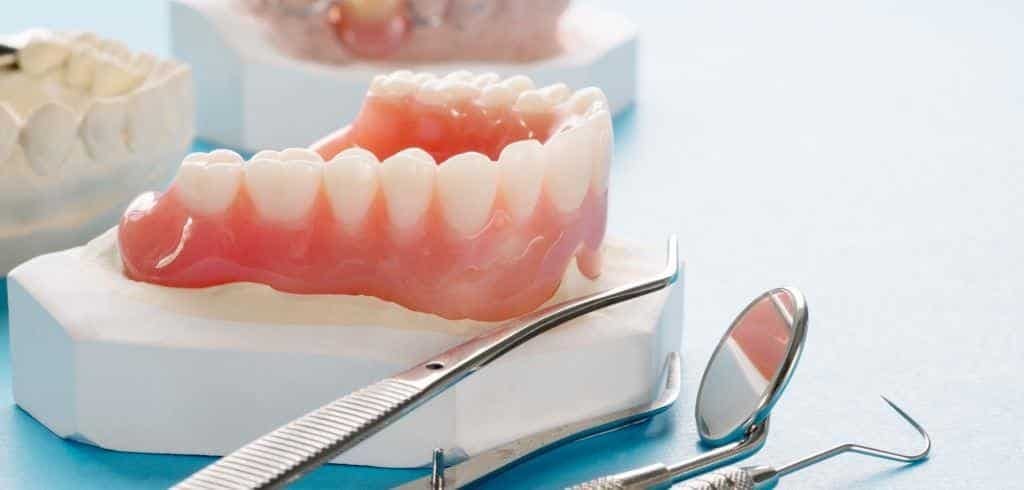
5. Keep having dental reviews
A dentist checks the fit and condition of your dentures as well as your gums, tongue and any remaining teeth. The interval between visits depends on your needs; having a full denture does not mean you no longer need examinations.
Arrange a review if the denture slips, clicks, breaks or causes pain. Do not file it down or repair it with household glue. If it breaks, keep the pieces and bring them to the appointment. Mouth changes may mean that a denture needs adjustment, relining or replacement even when you have looked after it carefully.

If your denture needs replacing
Ask which type would suit your mouth, how it will be maintained and what the full cost includes. Flexible materials can be useful in selected cases, but they are not automatically more comfortable or suitable for everyone.
Our prosthodontic fees and current finance information are available to help you plan. You can also contact the practice to arrange an assessment.