Fillings for milk teeth: treatment options and costs
Originally published
Milk teeth matter for eating, speaking and comfort. If you notice a hole, a new mark or toothache, arrange a dental assessment. The fact that a tooth will eventually fall out does not make pain or infection something a child should have to tolerate.
The dentist will consider the child’s age, symptoms, the extent of decay and how long the tooth is likely to remain. Treatment is not always the same as for an adult tooth.
Why early assessment helps
Decay can begin as soon as teeth appear. Milk teeth have thinner protective layers than permanent teeth, so the pulp can be affected relatively quickly. Pain can disturb eating and sleep, but a child may have decay without complaining of pain.
Early loss of a milk tooth can sometimes affect the space for the permanent tooth. It does not inevitably mean braces or speech therapy will be needed. The dentist can assess those concerns for the individual child.

When can a filling help?
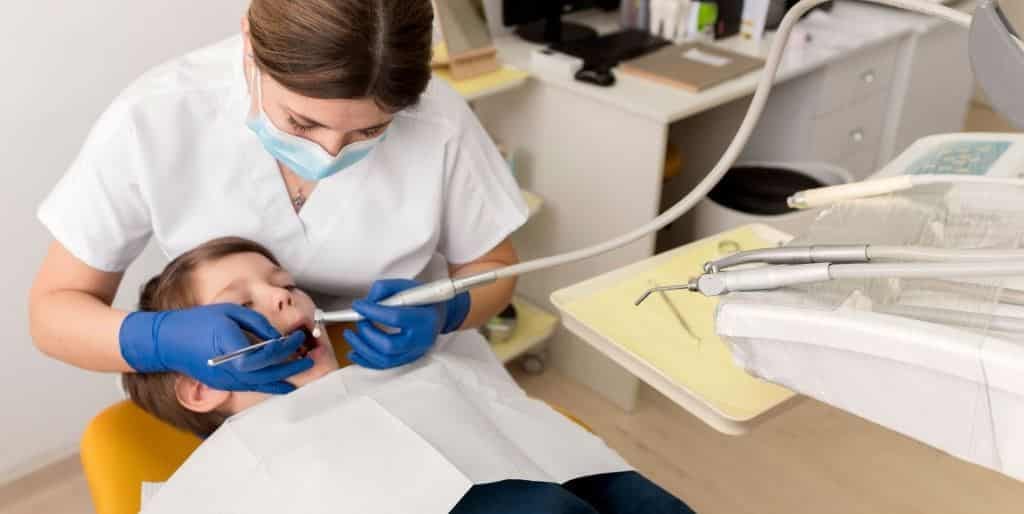
A filling may be suitable when the tooth can be restored and the pulp does not need a different treatment. The dentist prepares the area and places a material suited to the tooth and the clinical situation. Composite and glass ionomer are examples of materials that may be used.
The team will explain pain control and help the child understand each step. A filling can protect the tooth, but no material can be promised to last until the permanent tooth appears. It still needs cleaning and review.

Other ways to manage decay
The choice is broader than either drilling and filling or extracting. For some early lesions, prevention and monitoring may be appropriate. Selected back milk teeth can be sealed with a preformed metal crown using the Hall technique, without drilling out the decay. This requires a suitable tooth and an effective seal; it is not appropriate for every cavity.
If the pulp is affected, pulp treatment may sometimes preserve the tooth. An infected or unrestorable tooth may need extraction. These decisions take account of pain, infection, remaining tooth structure and the child’s ability to manage treatment.
SDCEP guidance on decay in milk teeth describes this individual approach. Ask which options are appropriate and available, rather than assuming that every visible cavity needs the same procedure.

Helping your child with treatment and prevention
Tell the practice about worries or previous difficult appointments. Familiarisation and a clear explanation can help, but pain or swelling should be assessed promptly rather than left while waiting for a child to feel completely confident. Our guide to dental anxiety in children offers practical ideas.
Brush from the first tooth with an age-appropriate amount of fluoride toothpaste, twice daily including before bed. An adult should help until at least seven and longer when needed. Follow our children’s toothpaste guide for amounts and strengths, and ask the dentist about cleaning between teeth.
Limit how often sugary foods and drinks are offered, and attend reviews at the advised interval. Fluoride varnish and fissure sealants are different preventive treatments that may be recommended for suitable teeth; they do not replace daily care.
What does a filling in a milk tooth cost?
Our listed fee for a filling in a milk tooth is £70. This is a treatment fee, not a promise that one payment covers every appointment or alternative procedure. Ask for an estimate of the care your child needs and see the current dental fees.
For toothache or a visible change, contact the practice to arrange an assessment. Facial swelling or fever with toothache needs urgent dental advice; use NHS 111 if you cannot reach a dentist. For swelling causing difficulty breathing or swallowing, call 999 or go to A&E.