
Helping a child who is afraid of the dentist
Originally published
If your child cries, refuses to open their mouth or says they no longer want an appointment, they may be frightened. Treating this as bad behaviour is unlikely to help. Start by finding out what worries them and let the dental team know before you arrive.
Children can be anxious about unfamiliar sounds, sensations, a previous experience or something they have heard. You do not have to identify one cause or blame yourself before asking for support.
Start with a manageable visit
Early visits give the dentist a chance to check the mouth and help a child get used to the setting. Arrange a first appointment when the first tooth appears, or by the first birthday, rather than waiting for pain. The Dental Check by One guidance explains what an early visit can offer.
If your child is older and has not yet been, you can still start now. Familiarisation may take several appointments. It can help build confidence, but it cannot guarantee that a child will never feel anxious or need treatment.
If there is already pain or swelling, say so when booking. The dentist needs to balance getting the child comfortable with treating the problem promptly.
Talk honestly and keep explanations simple
Explain that the dentist helps look after teeth and will talk about what needs to happen. Avoid promising that the visit will involve only looking, or that nothing could feel uncomfortable, unless the team has explained the plan.
Equally, do not use the dentist as a threat for missed brushing. A calm account of what to expect is more useful than stories about frightening treatment. If you have dental anxiety yourself, discuss it privately with the team so they can support you too.
Let your child ask questions. You might say, “You can tell us if you need a break,” and agree with the dentist how that will work.
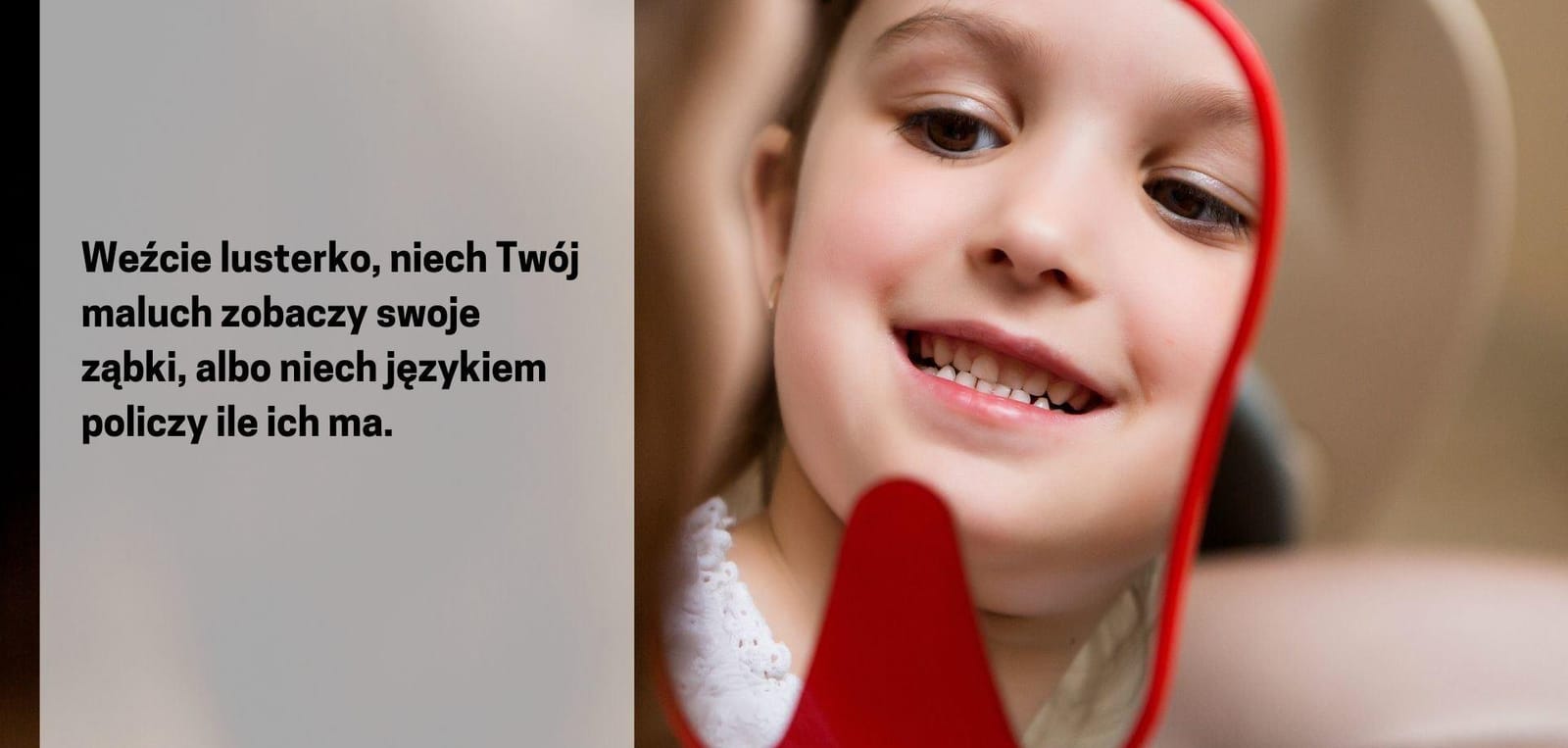
Practise through play
A toy can have its teeth counted, or your child can look at their own smile in a mirror. A suitable picture book about a dental visit can also make the setting more familiar. Keep the activity light and stop if it increases their worry.
A favourite toy, music or another agreed distraction may help during the appointment. Ask the practice what you can bring and tell them about sensory sensitivities, communication needs or previous experiences that might affect care.
Let the dental team guide the appointment
The dentist can explain a step, show the equipment and then carry it out when appropriate. This is often called tell-show-do. A hand signal to pause can give your child a way to communicate during treatment.
Shorter visits or gradual familiarisation may be useful. If anxiety still prevents necessary care, the dentist can discuss further support or referral. Sedation is one possible option for selected children after assessment; it is not something every anxious child needs or a service to assume is available at every practice.
The Royal Devon guide for parents and carers describes approaches the team may use.
Recognise effort, even when a visit is difficult
Praise specific steps, such as asking a question, sitting in the chair or showing a tooth. A child who cries can still have made progress. A small non-food reward or an enjoyable activity afterwards can recognise that effort without making care conditional on being “good”.
You do not need to promise a gift from the dentist. Focus on the support you can offer and the plan agreed with the team. If anxiety also affects sleep, school or other parts of daily life, speak to your GP or school nurse.
Keep helping with daily brushing and follow the preventive advice for your child’s needs. Our milk teeth care guide covers the basics. Contact the practice to discuss how an appointment could be adapted for your child.