Toothache in a child: what to do and when to get help
Originally published
A child may show toothache by avoiding food, chewing on one side, waking at night or touching their face. They may not be able to point to the painful tooth. Arrange a dental assessment rather than waiting for a visible hole or a blackened tooth.
Decay, an injury, a gum problem or food trapped between teeth can cause discomfort. Teething can make gums sore, but fever or significant illness should not be dismissed as teething.
Recognising a problem
Pain with hot, cold or sweet foods, discomfort when chewing, a change in tooth colour or a broken tooth are reasons to contact a dentist. These signs do not establish the diagnosis on their own.
Milk teeth can develop decay that reaches the pulp, the soft tissue inside the tooth. They need care even though they will eventually fall out. A painful tooth should not be left untreated simply because it is a milk tooth.

When to seek urgent help
Ask for urgent dental care if your child has facial or gum swelling, pus, fever with dental pain, severe pain or pain that stops them eating or sleeping. Call NHS 111 if you cannot get an urgent appointment. If they are drinking poorly, passing less urine or becoming unusually drowsy, seek medical advice promptly too.
Call 999 or go to A&E if they have difficulty breathing, swallowing or speaking, swelling affecting an eye or their vision, marked difficulty opening the mouth, or are difficult to wake. These symptoms need more than a routine dental appointment.
A baby under three months with a temperature of 38°C or more, or aged three to six months with 39°C or more, needs urgent medical advice through a GP or NHS 111. Seek advice if you think a young baby has a fever, even if you cannot measure it.
Helping while you arrange the appointment
Offer soft foods and drinks at a comfortable temperature. Avoid foods that trigger pain and encourage small, regular drinks. Do not force a child to eat when it hurts.
Clean gently with a soft toothbrush. If food is visibly trapped, help remove it carefully without poking the gum with a sharp object or forcing floss into a painful area. A cool cloth held against the cheek may be comforting; do not apply ice directly to the skin.
A children’s paracetamol or ibuprofen product may be suitable. Check the age, weight and other instructions on the label, and ask a pharmacist if you are unsure. Do not give aspirin to children under 16 unless prescribed. Avoid ibuprofen if your child is dehydrated or has chickenpox, and check with a professional if they have asthma or another medical condition.
Do not give paracetamol and ibuprofen together or alternate them unless a healthcare professional advises you. Use the supplied measuring device and avoid another product containing the same medicine. Do not put adult dental gels, aspirin, concentrated oils or alcohol on the tooth or gum.

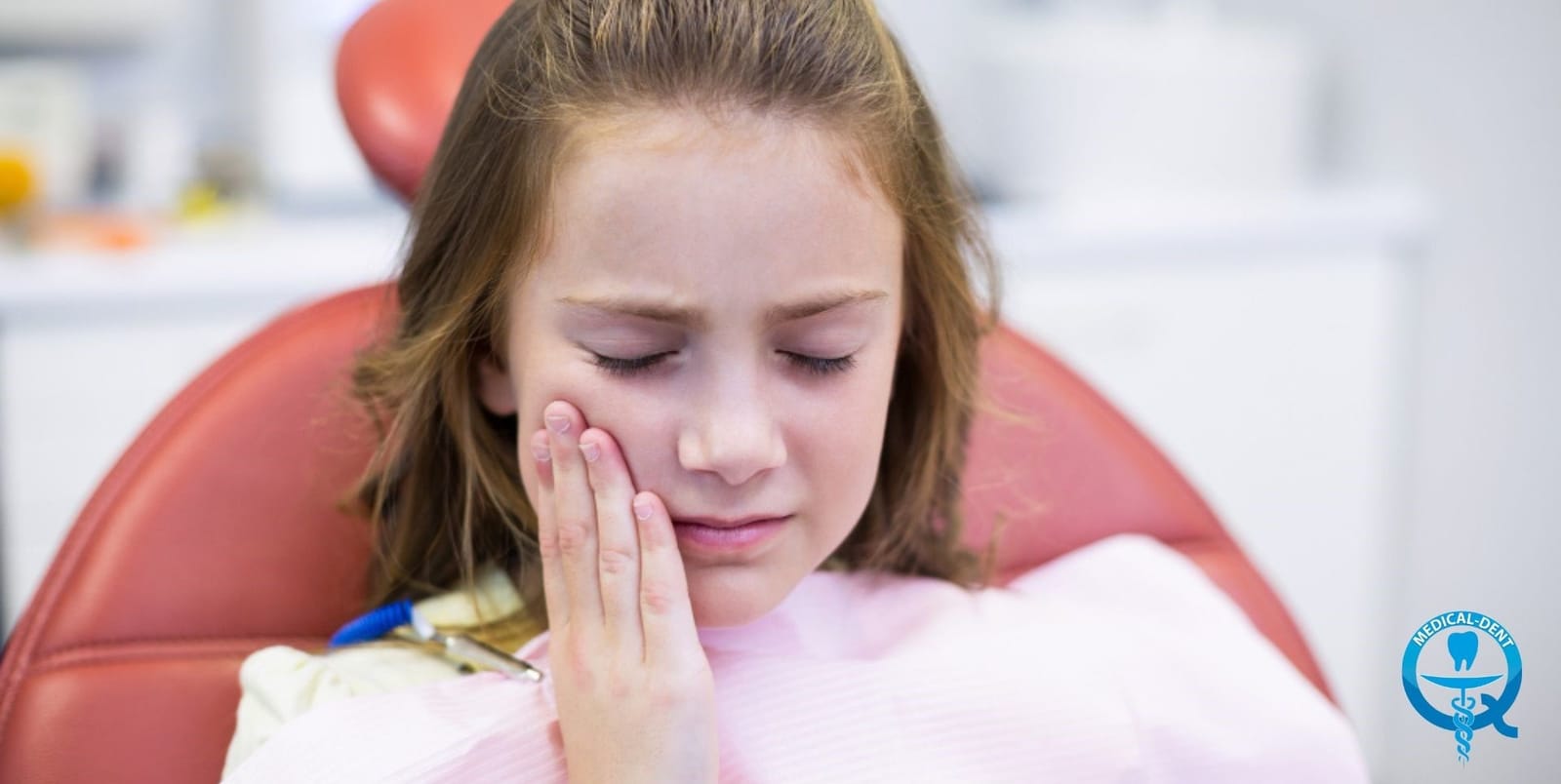
The photograph is illustrative, not a guide to giving medicine. Follow the product instructions rather than copying a quantity or method shown in an image. Pain relief is temporary support, not treatment for decay or an abscess.
What will the dentist do?
The dentist will ask about the pain, examine the mouth and discuss any imaging needed. Treatment depends on the cause, the tooth and what your child can manage. It may involve repairing or protecting a tooth, treating its pulp or removing a tooth that cannot be kept safely.
Explain any worries your child has. A calm explanation and an agreed way to ask for a pause can help. Read our guide to preparing a child for a visit.
Helping prevent further toothache
Brush from the first tooth, twice daily with fluoride toothpaste, including last thing at night. An adult should brush or help until at least age seven, and longer if needed. Use an age-appropriate amount and fluoride strength; see our children’s toothpaste guide.
Ask the team how to clean between your child’s teeth. Keep sugary foods and drinks to mealtimes and arrange reviews at the interval recommended for their risk. Do not wait for a scheduled check-up when new pain develops. Contact us to arrange care.