Tooth discolouration: causes and treatment options
Originally published
Teeth naturally come in different shades. A darker shade is not automatically a sign of poor health, and healthy teeth do not have to be bright white. If a tooth changes colour or develops a new mark, a dental assessment can help identify the cause before you choose a cosmetic treatment.
Surface stains and changes inside the tooth
Enamel is partly translucent, so the colour of the dentine beneath it contributes to the shade you see. As enamel becomes thinner, more of the usually yellower dentine can show through. Age, tooth development and previous dental treatment can also affect appearance.
Discolouration may sit on the surface, occur within the tooth, or involve both. A new dark tooth after an injury, or a mark associated with pain or sensitivity, needs assessment. Whitening should not be used to cover up an untreated problem.

What can cause surface staining?
Tea, coffee, red wine and tobacco can stain teeth. The extent varies with exposure and oral care. You do not need to cut nutritious foods out of your diet simply because they contain pigments.
Professional cleaning can remove some surface deposits and stains. How often it is needed depends on your mouth; it is not automatically required every six months. Cleaning will not change every source of colour within a tooth.
Brush twice daily with fluoride toothpaste and clean between your teeth. Spit out toothpaste without rinsing straight afterwards. Mouthwash is not essential for everyone and, if used, belongs at a different time from brushing. Avoid scrubbing harder in an attempt to remove stains.
Lemon juice, abrasive powders and other DIY whitening methods can damage teeth. Ask for advice if you are concerned about acid wear or sensitivity, rather than trying to bleach or scour the tooth yourself.
Medicines and tooth development
Some medicines can affect tooth colour. Certain tetracycline antibiotics taken while teeth are developing are one example of internal staining. Other products, such as chlorhexidine mouthwash, may cause surface staining. Do not stop prescribed treatment because of a colour change; ask your dentist or prescriber about it.
Dental fluorosis can alter the appearance of enamel when too much fluoride is repeatedly swallowed while teeth are forming. It is different from an acute overdose. Our guide to fluoride toothpaste explains safe use.
A tooth’s colour is not a reliable way to diagnose thyroid disease or another general health condition. Your dentist will consider the history and examination rather than a colour chart of possible diseases.

Which treatments may help?
The first step is to check for decay, gum problems or damage that needs treatment. For healthy teeth with staining, professional cleaning may be enough. Dentist-supervised whitening can lighten natural teeth, although results and treatment time vary. Existing fillings, crowns and dentures will not whiten in the same way.
Whitening can cause temporary sensitivity or gum irritation. It is generally for adults and is not recommended during pregnancy or breastfeeding. The NHS whitening guide explains suitability and potential side effects.
Our listed home whitening tray kit costs £300, and Enlighten whitening with custom trays costs £550. The latest Enlighten system offered at our practice does not require an additional in-surgery whitening appointment, although older versions did. Ask which option is suitable, what the course includes and what maintenance may be needed. Treatment time and how long the result lasts vary between patients.
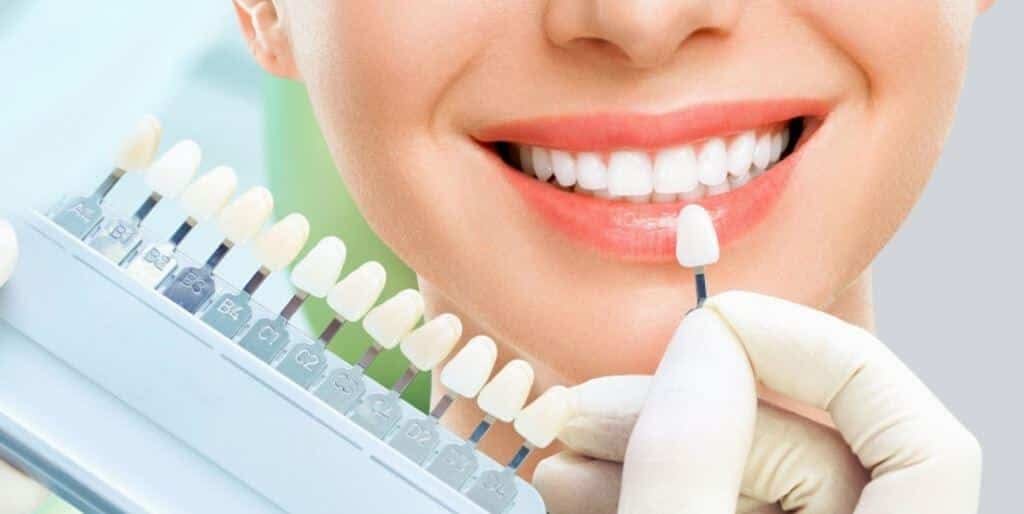
Enlighten states in its patient FAQ that its professional whitening system guarantees Vita shade B1 and does not require a “white diet”. Your dentist will assess suitability and explain the treatment and guarantee. The manufacturer also notes that some dental conditions can mean results take longer.
The current fee page provides prices. For instalments, check the practice’s current finance information.
If whitening is not suitable
Leaving healthy teeth at their natural shade is an option. In selected cases, a dentist may discuss bonding or veneers to change appearance. Veneers are bonded coverings, not removable whitening trays; some require irreversible removal of tooth tissue and may need replacement in future.
There is no need to progress automatically to veneers because whitening is unsuitable or does not give the shade you hoped for. Discuss the benefits, risks and alternatives, or contact the practice for an assessment.