Fluoride toothpaste: benefits and safe use
Originally published
Fluoride toothpaste is recommended to help prevent tooth decay. Using the right strength and amount, brushing regularly and avoiding swallowing the paste allow you to benefit from it safely. That is different from saying that any amount is harmless if swallowed.
What does fluoride do?
Fluoride is a form of the element fluorine used in toothpaste and other dental products. It helps teeth resist acid attacks and supports the repair of early mineral loss. Its main benefit for teeth comes from contact with the tooth surface.
Fluoride also occurs naturally in water and some foods. You do not need to eat more fluoride-containing foods or take supplements to make your toothpaste work. Supplements and prescription products should only be used on professional advice.
The Oral Health Foundation’s fluoride guide explains its role in preventing decay.
Choosing toothpaste and using it well
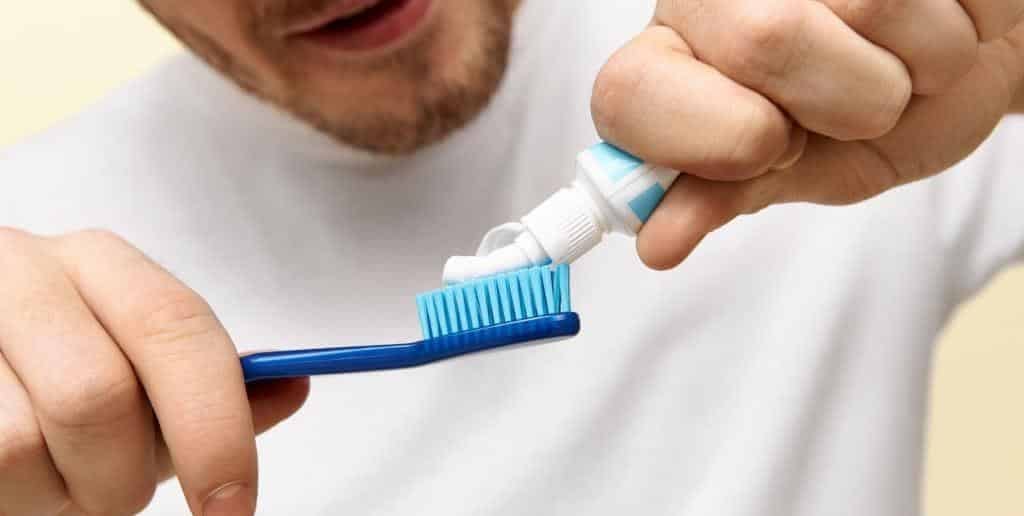
Brush for about two minutes twice a day, including last thing at night. Adults should generally use toothpaste containing 1,350 to 1,500 parts per million fluoride, shown as ppm on the label. Spit out the excess without rinsing straight afterwards.
Children need a small, age-appropriate amount:
- Under three: use a smear of toothpaste containing at least 1,000 ppm fluoride, unless the dentist advises otherwise.
- From three to six: use a pea-sized amount containing 1,000 to 1,500 ppm fluoride.
- From seven: use toothpaste containing 1,350 to 1,500 ppm fluoride and continue to check that brushing is effective.
An adult should brush young children’s teeth and supervise or help as they learn. Encourage spitting rather than swallowing, and do not let children eat or lick toothpaste from the tube. Keep tubes out of their reach between uses. The NHS children’s toothbrushing guide gives more detail.
Higher-strength prescription toothpaste is for particular patients and age groups. Use it only as prescribed and do not share it with a child or another family member. Mouthwash is a separate product; it is not needed by everyone and should not be used immediately after brushing.
What is dental fluorosis?
Dental fluorosis develops when too much fluoride is repeatedly swallowed while teeth are forming. It can produce white flecks or lines in the enamel and, in more marked cases, changes in colour or surface texture. A white mark is not enough to diagnose it, because enamel changes have other causes too.
This is different from sudden poisoning after swallowing a large amount of a product. Using the recommended amount of toothpaste and supervising children helps reduce unnecessary swallowing and the risk of fluorosis.

What if someone swallows toothpaste?
Swallowing a small amount accidentally during ordinary brushing is different from eating toothpaste from the tube. The risk depends on the product strength, the amount swallowed and the person’s age and weight. There is no single safe “number of tubes” or gram threshold for everyone.
If you are unsure whether an amount swallowed could be harmful, call NHS 111 promptly with the packaging to hand. If you suspect poisoning, seek emergency medical help through A&E or 999; call 999 for collapse, a seizure or serious breathing difficulty. Do not wait for symptoms or try to make the person vomit. Follow the NHS poisoning guidance and the advice you are given.
If you have concerns about fluoride
Ask your dentist to help you choose a toothpaste for your age and decay risk. They can also assess any new marks, sensitivity or other changes. Avoid replacing fluoride toothpaste with an unproven alternative solely because of an alarming claim online.
You can contact the practice for advice about your oral health. Questions about safety deserve a clear explanation, not dismissal.