Tooth decay in children: causes, signs and treatment
Originally published
Tooth decay in a baby tooth can cause pain and infection well before that tooth is due to fall out. It may affect eating, sleep and everyday activities, so it is worth seeking help early. You do not have to wait until your child has toothache.
Early changes can sometimes be managed without a filling. More advanced damage needs a different approach, chosen after an examination. Regular visits also give you a chance to discuss brushing or feeding difficulties without blame.
Why does decay develop?
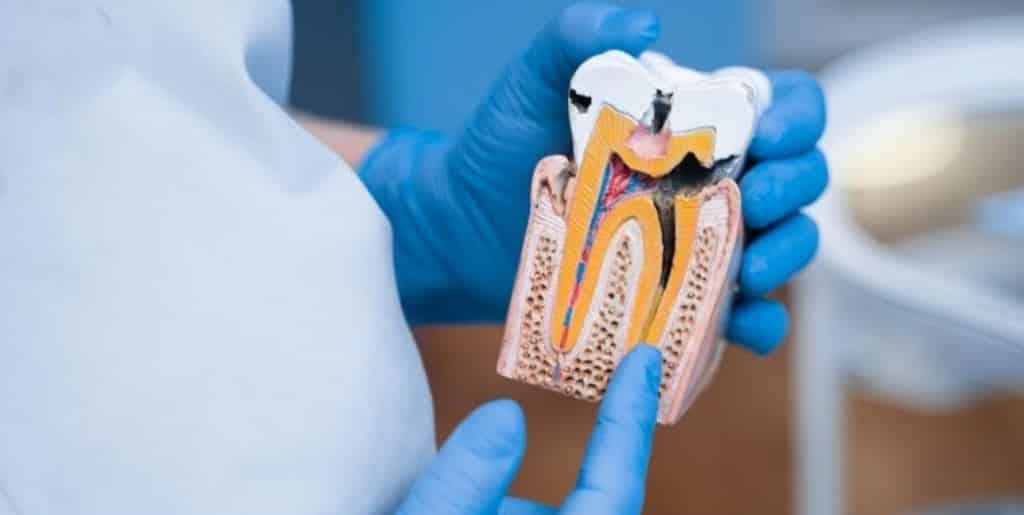
Plaque is a film of bacteria on teeth. When these bacteria use sugars from food and drinks, they produce acids. Repeated acid attacks can remove minerals from the tooth surface and eventually create a cavity.
The frequency of sugary foods and drinks, effective brushing and fluoride exposure all influence risk. Teeth with developmental defects can need extra protection. Decay is not simply an infection a child catches from a parent, nor is it inevitable because it runs in the family.
Baby teeth have thinner enamel and dentine than adult teeth, so decay can reach the sensitive inner part of a tooth relatively quickly. However, there is no fixed sequence or timetable that parents can use to judge its depth at home.
What might you notice?
Early decay may cause no pain. Possible signs include a white, brown or dark mark, a visible hole, sensitivity or toothache. A child may avoid chewing on one side or struggle with eating and sleep. These signs need assessment; a mark is not automatically decay, and plaque itself is not a cavity.
Some damage is between teeth and cannot be seen just by looking into the mouth. Your dentist will examine the teeth and decide whether X-rays would help.
Arrange an urgent dental appointment for persistent pain, swelling or suspected infection. If you cannot get urgent dental care, contact NHS 111. Call 999 or go to A&E if your child has difficulty breathing, speaking or swallowing, extensive swelling inside the mouth, or swelling affecting an eye or vision.

How can you reduce the risk?
Start brushing when the first tooth appears. Brush twice daily, including last thing at night, with a fluoride toothpaste. Use a smear for children under three and a pea-sized amount from three to six. Check the fluoride content: at least 1,000 ppm for under-threes, 1,000–1,500 ppm for ages three to six, and 1,350–1,500 ppm from age seven, unless your dentist advises otherwise.
Help with brushing until at least age seven and longer if your child needs it. Encourage spitting without rinsing once they can spit. Babies should not be asked to rinse their mouths. Our ideas for making brushing easier may help with the daily routine.
Keep sugary foods and drinks to mealtimes rather than repeated snacks or sips. Do not put sugary drinks in a baby’s bottle. This does not mean stopping necessary night feeds or replacing an infant’s breast milk or formula with water; discuss feeding concerns with a health visitor and dentist.
Book the first dental visit when the first tooth appears and by age one. Further appointments should follow your child’s needs and risk of decay. The dentist may recommend fluoride varnish or, on suitable teeth, fissure sealants. Neither removes the need for brushing and dietary care.
What treatment might be needed?
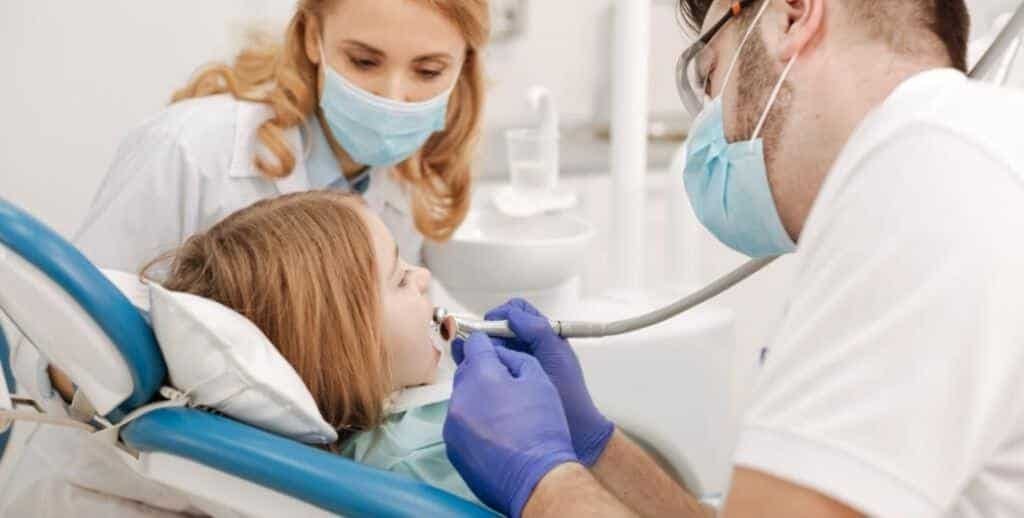
For early decay without a cavity, fluoride and changes to everyday care may help stop progression. The dentist will review whether this is working. When a tooth has a cavity, treatment may include a filling or a crown, depending on the amount of tooth left and the child’s needs.
Deep decay or infection may need more involved treatment or extraction. Some children need referral to a team that can provide additional support with treatment. The NHS information on children’s decay treatment explains several approaches.
Losing a baby tooth early can affect space for adult teeth, but it does not automatically mean a child will need braces. Your dentist will consider the tooth, your child’s age and the development of the adult teeth. Keeping an infected tooth without treatment is not a safe way to preserve space.
If you are worried about a tooth or finding home care difficult, contact the practice. We can assess the problem and help you make a practical plan.