Tooth decay in children: prevention and treatment
Originally published
Tooth decay can affect both baby and adult teeth. It may cause no obvious symptoms at first, so a child does not need to be in pain before seeing a dentist. If you notice a hole, a new mark, sensitivity or difficulty eating, arrange an examination.
The aim is to keep your child comfortable, manage the disease and protect their developing teeth. Decay is not a reason to blame a child or parent, and treatment does not automatically mean a filling or extraction for every affected tooth.
Why does decay develop?
Bacteria in plaque use sugars from food and drink to produce acids that remove minerals from teeth. Frequent sugary snacks or drinks, inadequate fluoride protection and difficulty cleaning can increase risk. Enamel defects, dry mouth and other individual factors may also contribute.
Biting pens can damage teeth, but it is not the same process as decay. A bite problem does not automatically cause cavities, and braces do not treat decay. A dental assessment can separate these issues and identify which care is needed first.
Brushing and fluoride
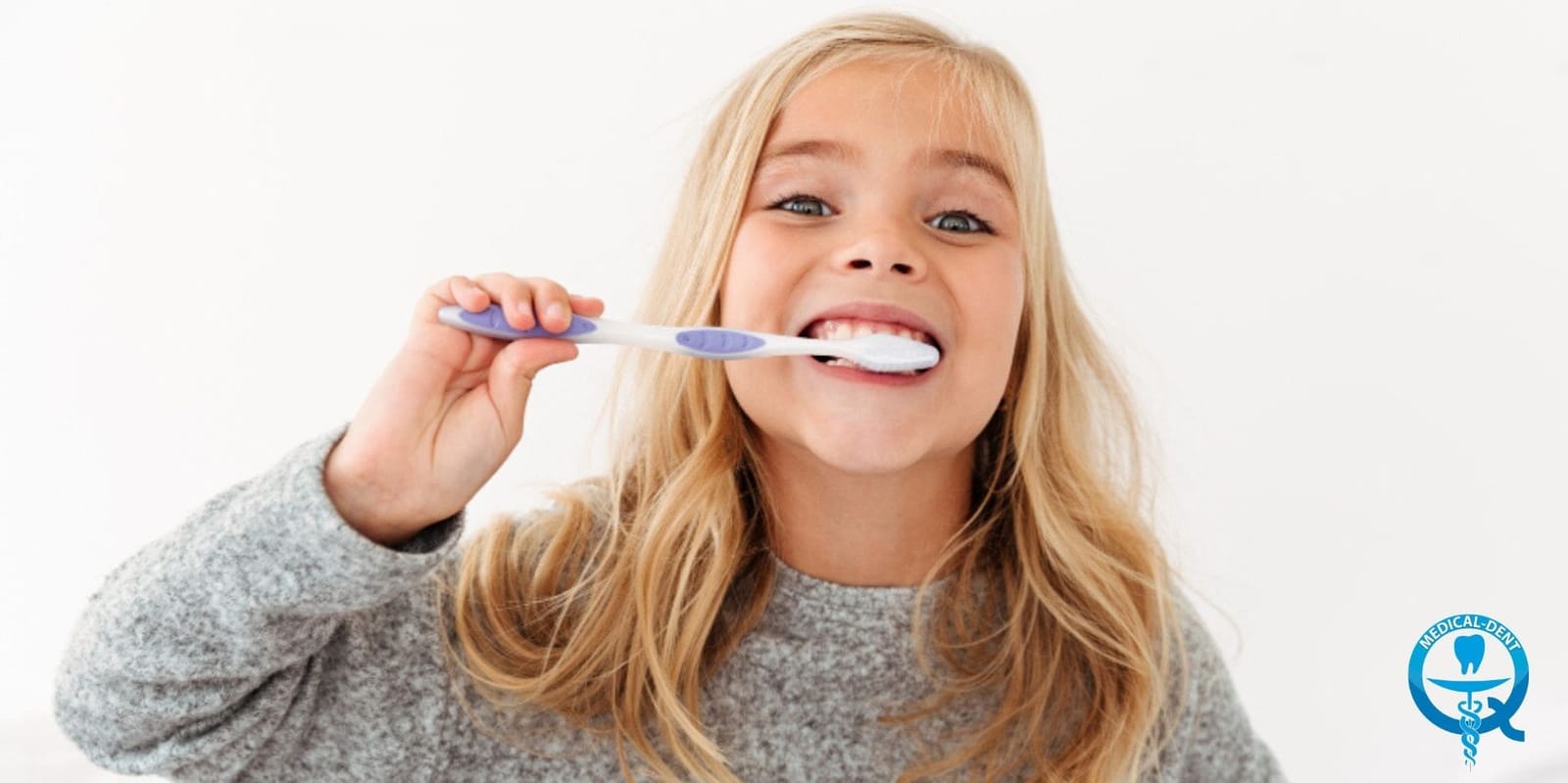
Begin brushing when the first tooth appears. Brush twice a day, including last thing at night, using a soft toothbrush and an age-appropriate amount of fluoride toothpaste:
- Under three: a smear containing at least 1,000 ppm fluoride.
- Ages three to six: a pea-sized amount containing 1,000–1,500 ppm.
- From seven: toothpaste containing 1,350–1,500 ppm fluoride.
Help or supervise until at least seven, and longer if your child needs support. Encourage spitting without rinsing afterwards. Ask the dental team how to clean between teeth where they touch. A young child should not be expected to manage all their cleaning alone.
Food, drinks and dental visits
Keep sugary foods and drinks to mealtimes where possible rather than allowing frequent sipping or snacking. Avoid sugary drinks in bottles and at bedtime. For babies, do not stop necessary breast or formula feeds on the basis of generic dental advice; discuss feeding and tooth care with your dentist or health visitor.
Choose a varied diet and suitable snacks rather than treating any single food as a way to repair a cavity. Brushing after eating sweets does not cancel out frequent sugar exposure.

Arrange the first dental visit when the first tooth appears, ideally by the first birthday. Further appointments depend on your child’s needs and risk. Fluoride varnish and fissure sealants may be recommended to help prevent decay. They have different roles, and the dentist can explain which teeth would benefit.
What if decay is already present?
The dentist will assess how far the decay has progressed, whether the tooth is painful or infected and how long a baby tooth is likely to remain. Early changes may be managed with preventive treatment and monitoring. Other teeth may need a filling, a crown or pulp treatment.
Baby teeth and developing adult teeth are not treated identically. If a tooth cannot be kept safely and comfortably, extraction may be appropriate. Losing a baby tooth early can affect space for the adult tooth, but does not inevitably mean your child will need braces. See our guide to baby tooth extraction.
Mouth ulcers and other causes of soreness require their own diagnosis. Ointments, syrups and antibiotics do not repair a cavity or replace dental treatment of an infected tooth.
When to seek urgent advice
Contact a dentist promptly for toothache, swelling or suspected infection. NHS 111 can help if your dentist is unavailable. Difficulty breathing or swallowing, or swelling affecting the eye, requires emergency help.
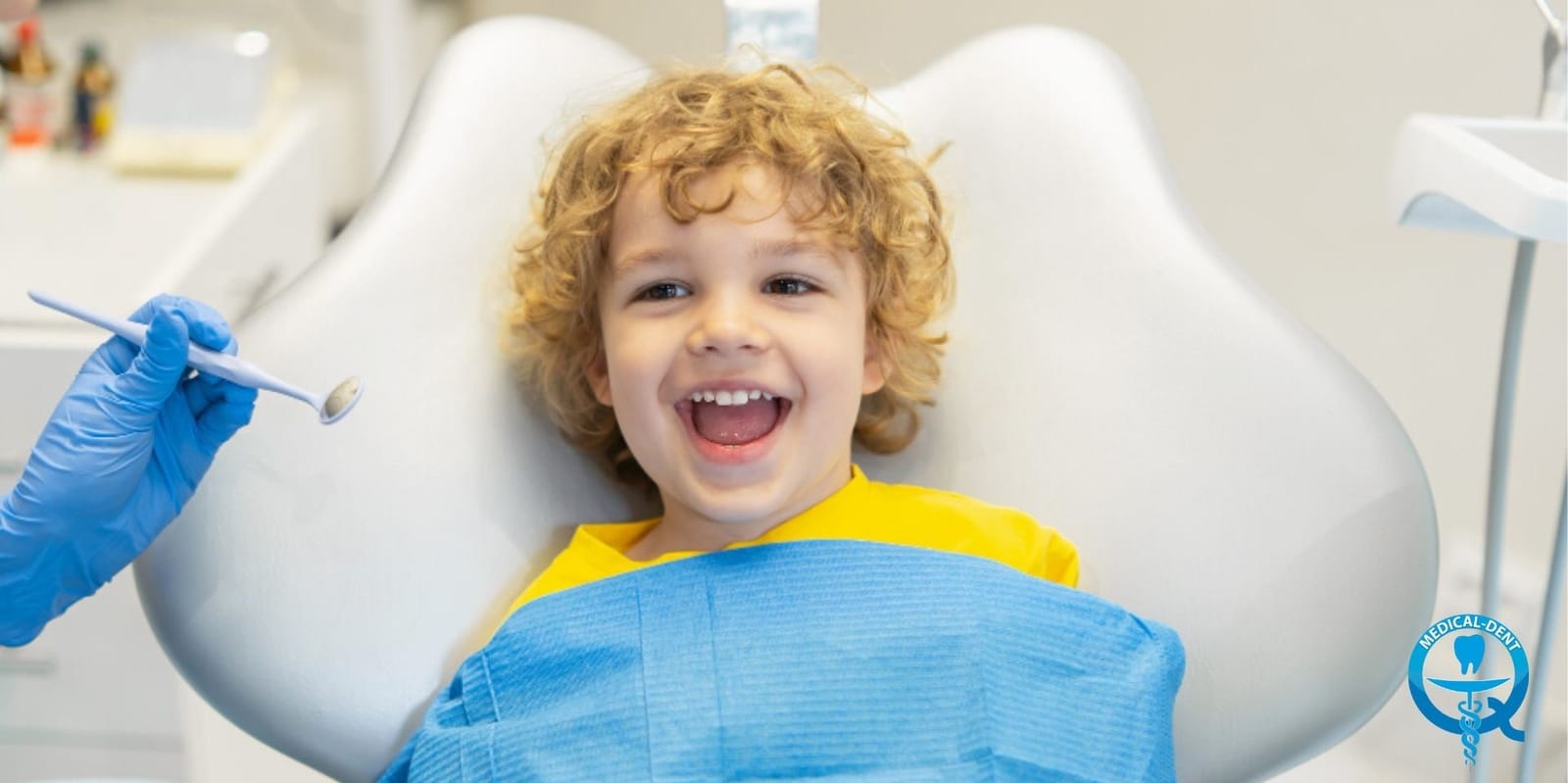
Let the team know if your child is anxious or has additional needs. Treatment can be planned with support and, where necessary, referral. Contact us to discuss an examination and a care plan for your child.