When does a baby tooth need to be removed?
Originally published
Most baby teeth fall out naturally as their roots are absorbed and the adult teeth develop. Sometimes, however, a tooth needs dental treatment or removal before it would normally be lost. The decision depends on the tooth, your child’s symptoms and their stage of dental development.
Baby teeth help children eat and speak and hold space for adult teeth. They deserve care even though they will eventually be replaced.
When do baby teeth fall out?
Most children have all 20 baby teeth by about three years old and begin losing them at around six. The change continues over several years, with some baby teeth remaining until around 12 or 13. Individual timing varies, so a tooth does not need removing simply because another child has already lost theirs.
The first adult molars usually appear behind the baby teeth rather than replacing them. Wisdom teeth, if present, come much later and do not always erupt. There is no single age at which everyone must have a full set of visible adult teeth.
When might extraction be needed?
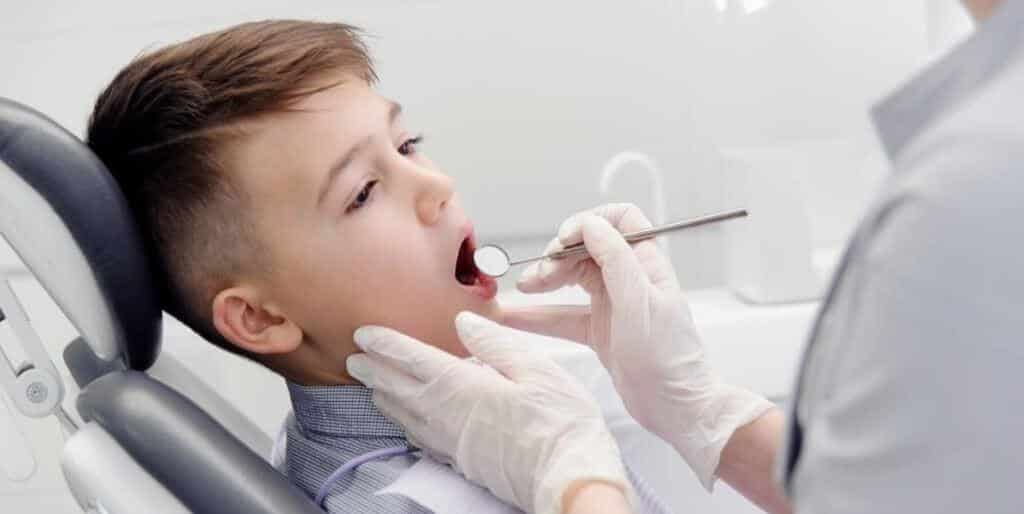
A dentist may recommend removing a baby tooth if it is badly damaged and cannot be restored, or if infection cannot be managed appropriately while keeping the tooth. A baby tooth that remains in place and interferes with an adult tooth’s eruption may also need assessment. Planned extraction can sometimes be part of orthodontic treatment.
Decay or pain does not automatically mean extraction. Depending on the findings, options may include a filling, a crown or treatment of the pulp inside the tooth. Your dentist will consider how much useful life the tooth has left, whether it can be repaired and how your child can manage treatment.
Early loss can allow neighbouring teeth to move into the space. This does not mean they inevitably become loose or that every child will develop a speech problem. Ask whether the space needs monitoring or another measure to help the adult tooth come through.
Do not try to pull out a firmly attached tooth at home. If an adult tooth is appearing behind a baby tooth, arrange an examination rather than forcing the baby tooth out.
Pain and swelling need attention
Contact a dentist promptly if your child has toothache, a swelling or a suspected dental infection. Do not wait for an infected tooth to fall out on its own. NHS 111 can help you find urgent advice if you cannot reach a dentist. Difficulty breathing or swallowing, or swelling affecting the eye, requires emergency help.
If extraction is recommended, the team should explain pain control, how to support your child and the aftercare. Tell them about anxiety or previous difficult experiences. Treatment arrangements depend on the child’s needs; a referral may sometimes be appropriate.

Reducing the risk of decay
Start brushing as soon as the first tooth appears. Brush twice daily with fluoride toothpaste: a smear containing at least 1,000 ppm fluoride for children under three, and a pea-sized amount containing 1,000–1,500 ppm for ages three to six. From seven, use 1,350–1,500 ppm. Help or supervise brushing until at least seven, and longer if needed. Encourage your child to spit rather than rinse afterwards.
Limit the frequency of sugary snacks and drinks, and arrange the first dental visit when the first tooth appears, ideally by the first birthday. The dentist can advise about fluoride varnish and fissure sealants according to your child’s risk. Prevention reduces risk but cannot guarantee that extraction will never be needed.
Contact us if you are concerned about a baby tooth or would like help preparing your child for a visit.