Throbbing toothache: possible causes and when to get help
Originally published
Throbbing toothache can make it difficult to sleep, eat or concentrate. It may come from inflammation inside a tooth, an infection around its root or another dental problem. The pattern of pain alone cannot tell you which treatment you need.
Contact a dentist for an assessment, particularly if the pain is persistent, worsening or interfering with daily life. Painkillers may help temporarily but do not treat the cause.
When is it urgent?
Seek an urgent dental appointment if pain comes with swelling, a fever, a bad taste or pus, or if pain is severe or not controlled by suitable pain relief. If you cannot get dental help, contact NHS 111.
Call 999 or go to A&E if swelling makes breathing, swallowing or speaking difficult, affects your eye or vision, or is accompanied by marked difficulty opening your mouth. A spreading dental infection needs urgent assessment.

What can cause a throbbing tooth?
Deep decay, a crack or an injury can affect the pulp, the soft tissue inside a tooth. Inflammation there may cause lingering pain after hot or cold food, spontaneous aching or pain that disturbs sleep. Infection around the root can cause tenderness when biting or an abscess.
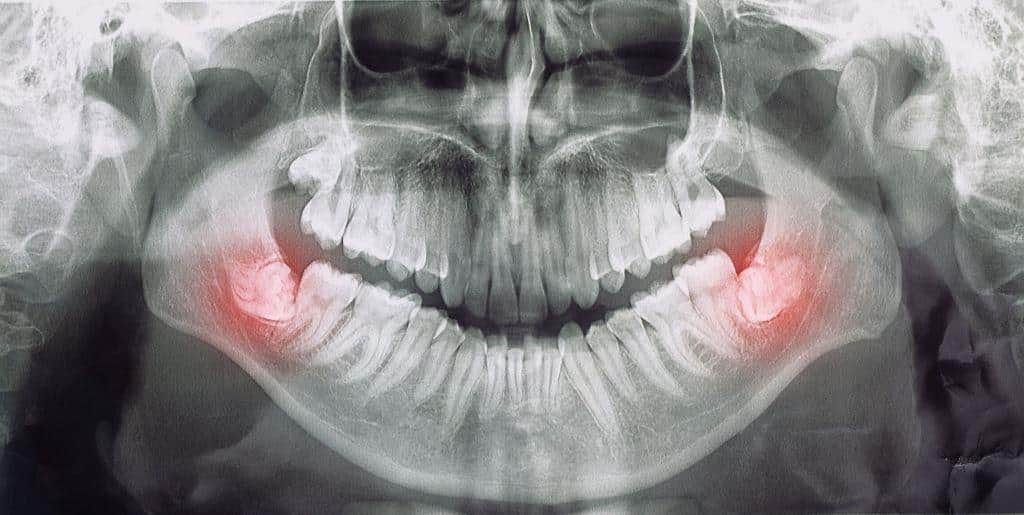
Pain can also arise from the gums or around a partly erupted wisdom tooth. Several problems have overlapping symptoms, so neither a visible cavity nor a throbbing sensation is enough for a diagnosis.
Your dentist will ask when the pain began, examine the tooth and gums and use tests or X-rays where appropriate. Tell them about recent treatment, an injury and any medicines you have taken.
Pain after a filling or root canal treatment
A tooth may be sensitive after a filling. Sometimes the bite needs adjusting; in other cases the pulp or surrounding tissues need further assessment. Pain after treatment does not, by itself, show that a filling was fitted incorrectly.
The tissues around a root-treated tooth can be sore while they settle. Contact your dentist if pain is severe, gets worse, fails to improve or returns after settling, especially with swelling. Persistent symptoms may need further treatment, but they should not automatically be attributed to outdated methods or a mistake.
Read our guide to root canal treatment under a microscope.
What if you wear braces?
Teeth can ache for a few days after braces are fitted or adjusted. This does not necessarily mean that they have been tightened too much or that teeth are moving too quickly.
Contact your orthodontic team if pain is severe, worsening, concentrated in one tooth or associated with a broken appliance or swelling. Do not adjust the wires yourself. The team can check whether the discomfort is related to the appliance or another dental problem.
Managing discomfort while you arrange care
Eat soft foods and avoid chewing on the painful tooth. Avoid very hot or cold foods if they trigger pain, and clean gently with a soft toothbrush.
Paracetamol or ibuprofen may help if suitable for you. Follow the packet instructions and ask a pharmacist if you are unsure, including if you are pregnant, take other medicines or have a medical condition. Do not exceed the stated dose or place aspirin directly on the tooth or gum.
Antibiotics are not a routine treatment for toothache or pulp inflammation. A dentist may prescribe them for selected infections, such as those that are spreading or making you systemically unwell, alongside treatment of the source. Do not use leftover antibiotics.

Treating the cause
Treatment may involve repairing a tooth, adjusting a filling, treating the pulp or gums, draining an abscess or removing a tooth that cannot be retained. The decision follows the examination, not the description of pain alone.
Once the immediate problem is treated, your dentist can discuss prevention and a review interval suited to you. Contact us for an appointment; use the urgent routes above if you have emergency symptoms.