Teething: how to comfort your baby and when to seek help
Originally published
Teething can bring sore gums, extra dribbling and a few unsettled days. Some babies have very little discomfort. The first tooth often appears around six months, but there is a wide range of normal timing, and most children have all their milk teeth by around two to three years.
Fever and diarrhoea should not be assumed to be teething. If your baby seems unwell, consider the symptoms separately and seek medical advice when needed.
What are the usual signs?
You may notice a red, tender area of gum, more chewing or dribbling, a flushed cheek and disturbed sleep. A slight rise in temperature below 38°C can occur. A temperature of 38°C or above is a fever, rather than something to dismiss as ordinary teething.
There is no evidence that teething causes diarrhoea. Persistent diarrhoea, poor feeding or fewer wet nappies can need medical advice, especially in a young baby. Do not wait for a tooth to appear before asking for help.
When to get medical help
Contact NHS 111 urgently if a baby under three months has a temperature of 38°C or higher, or a baby aged three to six months has a temperature of 39°C or higher. Also seek urgent advice if you think a young baby has a fever, even without a reliable reading.
Get advice if your child has signs of dehydration, is not feeding or is not their usual self and you are worried. Call 999 for emergency signs such as difficulty breathing, being hard to wake, a first seizure or a rash that does not fade when pressed with a glass. You do not need to be certain of the cause before seeking help.
Soothing sore gums
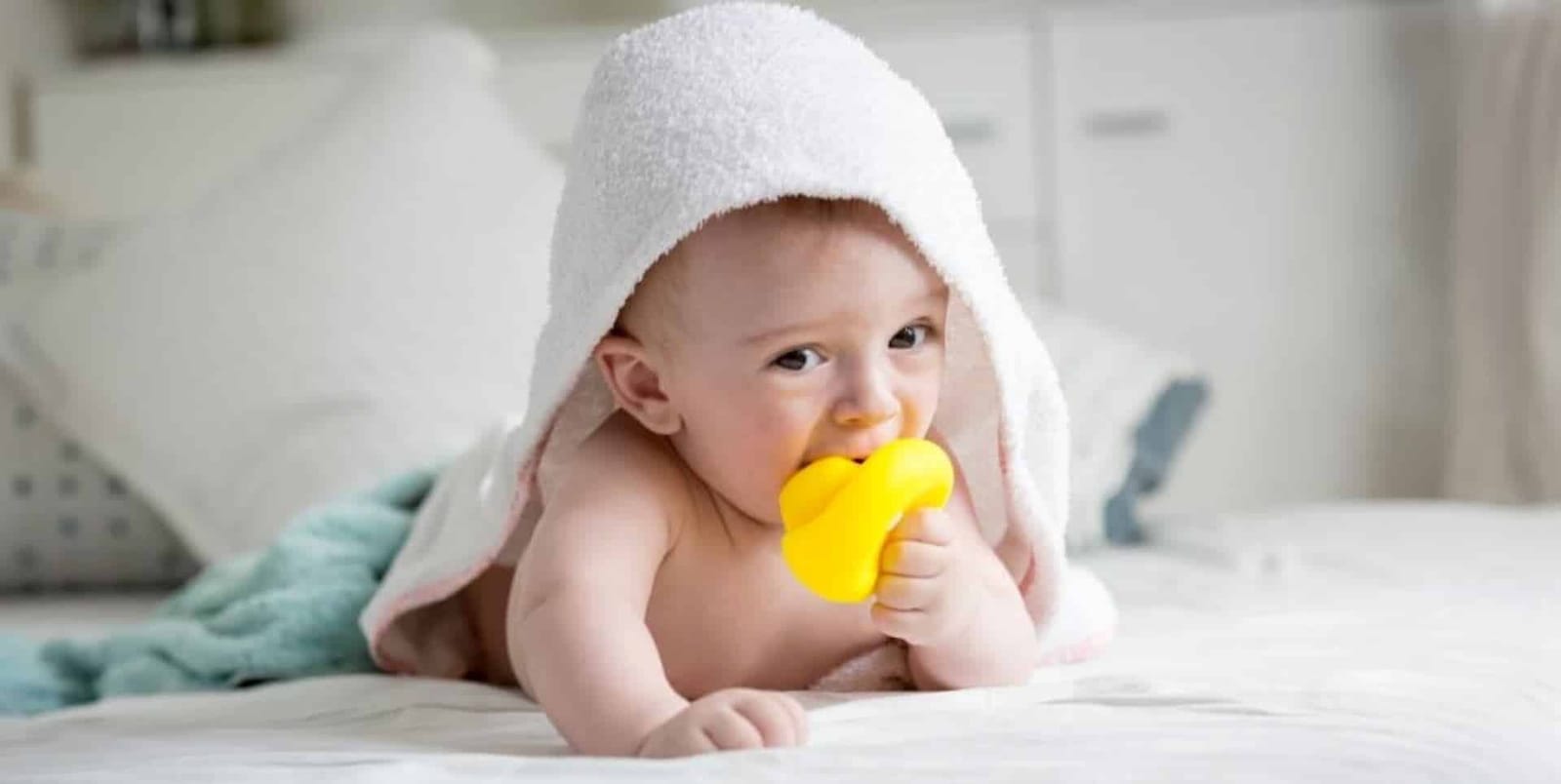
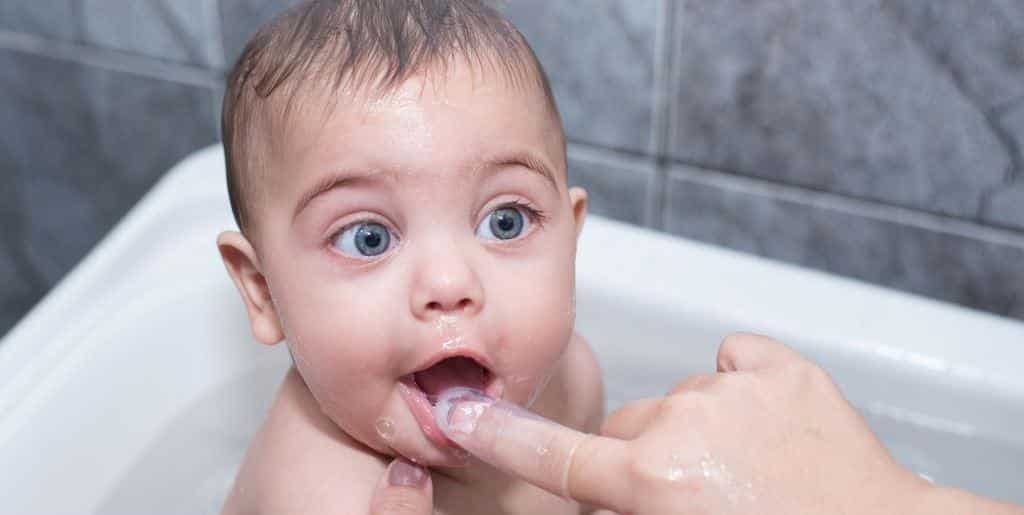
Try gentle pressure with a clean finger, comforting your baby or distracting them with play. An age-appropriate teething ring may help. If the instructions allow chilling, use the fridge, not the freezer, and never tie a ring or other object around your baby’s neck.
Check teethers for damage and supervise their use. Gently dab away dribble rather than repeatedly rubbing the skin. If you offer food, it must be appropriate for your baby’s stage of weaning and prepared safely; always supervise eating.
If pain is difficult to manage, ask a pharmacist or GP about an appropriate children’s medicine. Suitability depends on age, weight and health, so follow the exact product instructions rather than an adult dose. Do not give aspirin to a child under 16.
Evidence for teething gels is limited, and adult mouth-pain gels are not suitable for babies. Ask a pharmacist before using a teething medicine. Homeopathic teething products are not recommended.
Looking after the first teeth
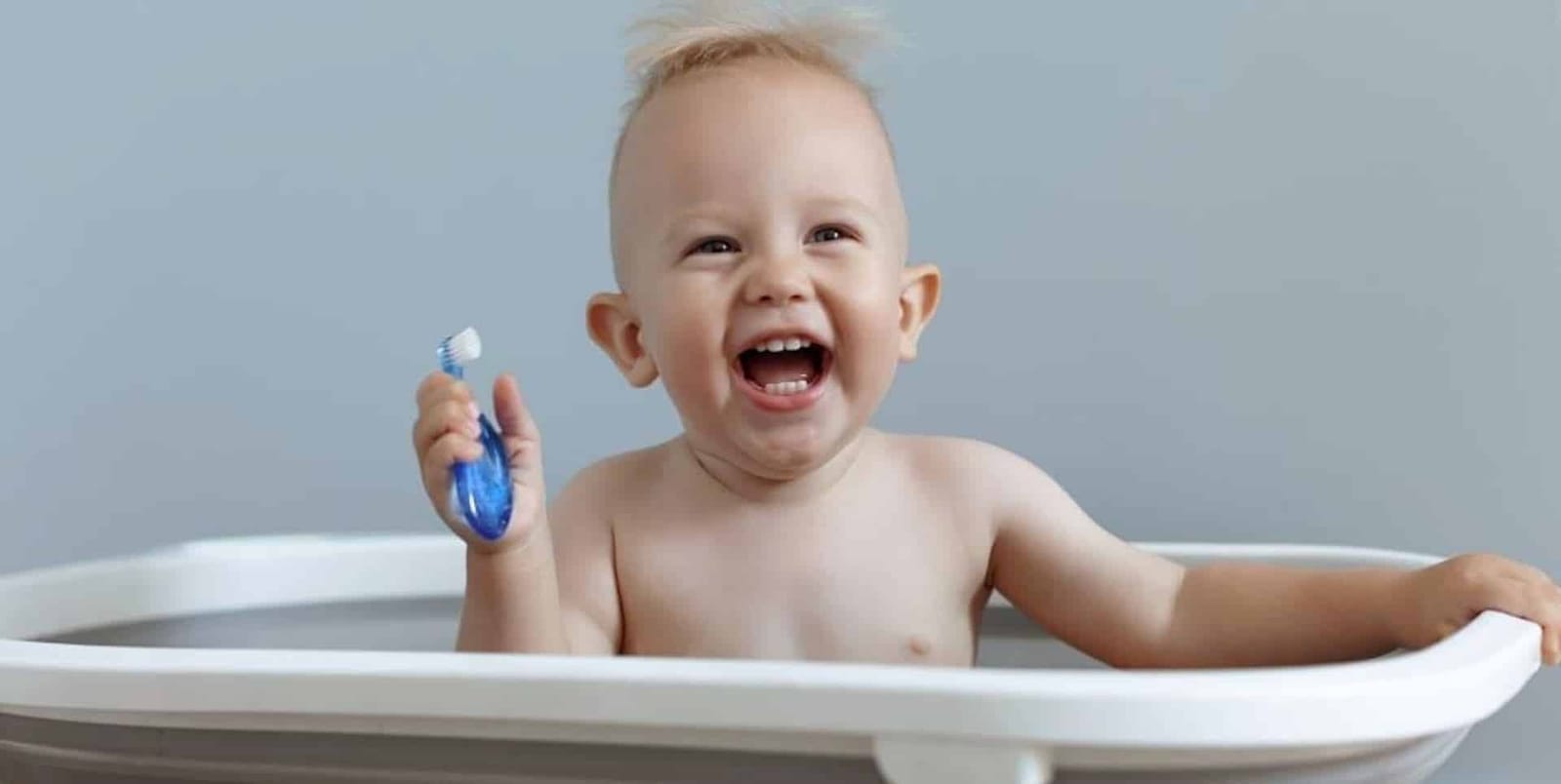
You can gently wipe the gums with a clean, damp cloth if needed, but vigorous cleaning or special silicone equipment is not necessary to prevent every infection. Start actual toothbrushing when the first tooth appears; a toothbrush should not simply be left for your baby to chew unsupervised.
An adult should brush twice daily with a small, soft toothbrush, including last thing at night. For a child under three, use a smear of fluoride toothpaste containing at least 1,000 ppm fluoride. Encourage spitting when they are able, without rinsing afterwards, and keep the tube out of reach.
Milk teeth help with eating, speech and holding space as a child grows. Caring for them matters, but brushing cannot guarantee that every dental problem will be prevented. Mouth ulcers or thrush are not proof that a parent has cleaned badly; persistent mouth changes should be assessed.
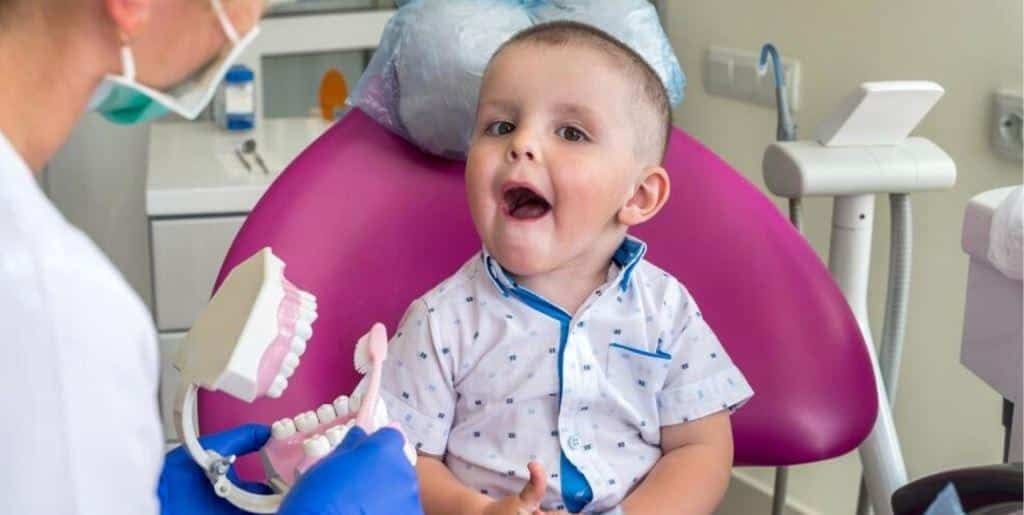
Arrange the first dental visit
Book a dental visit when the first milk teeth appear. The team can check the mouth, demonstrate brushing and discuss feeding and any worries about teething. Read our guide to caring for children’s teeth or contact us to arrange a visit.