
Teeth grinding in children: what to notice and how to help
Originally published
Teeth grinding or clenching is called bruxism. It can happen during sleep or while a child is awake, and they may not realise they are doing it. You might hear grinding at night before your child notices any discomfort.
Many children grow out of it without lasting problems. Others develop pain or tooth wear, so it is worth mentioning to the dentist rather than deciding that it is always harmless or always a sign of illness.
Why might a child grind their teeth?
There is not always one identifiable cause. Stress, sleep difficulties, discomfort and some medicines can be associated with grinding. It can occur around the time teeth are erupting, but a child’s age alone cannot tell you whether it needs attention.
Changes at school or home may be relevant, but do not assume that grinding proves your child is distressed or that you have caused it. Ask gently about how they are feeling and share any concerns with their healthcare team.
Grinding alone does not diagnose autism, ADHD, an allergy or a vitamin deficiency. Children with different health or developmental needs may need tailored assessment, but routine supplements or tests should not be started solely because you hear grinding.
Signs worth checking
Contact the dentist if you are worried, particularly if your child has sensitivity, chipped or visibly worn teeth, pain when chewing, or a sore jaw on waking. Headaches can also occur, but they have many possible causes and should not automatically be blamed on teeth.
Bleeding gums or unexpected tooth looseness need their own assessment. Problems with hearing, vision or balance should be discussed with a medical professional rather than treated as expected consequences of bruxism.
Tell your GP about regular loud snoring, gasping or pauses in breathing during sleep. These symptoms may point to a sleep-related breathing problem and deserve attention independently of the grinding. The NHS children’s sleep guidance explains what to look for.
What can you do at home?
A predictable bedtime and time to wind down can support sleep. Reading together, quiet music or a bath may help your child relax. These are supportive routines, not a guaranteed cure.
Avoid telling your child off for grinding or repeatedly waking them to stop it. If worry is affecting sleep, school or daily life, ask your GP or the child’s care team about support. A psychology referral is not automatically needed for every child who grinds their teeth.

It can help to note when you hear grinding, whether it happens often and whether there is pain or disrupted sleep. Tell the dentist about medicines and any recent changes. Speak to the prescriber if you suspect a medicine is contributing; do not change it yourself.
How can the dentist help?
The dentist checks for damage and considers whether monitoring, treatment or referral is appropriate. Not every child needs an appliance. In selected cases, a professionally fitted guard may protect teeth, but it does not guarantee that grinding will stop.
Ask about suitability and review as teeth develop. Do not buy a night guard for a young child without dental advice. Teeth that are already damaged may need separate care.
Our guide to assessment and treatment explains these decisions in more detail.
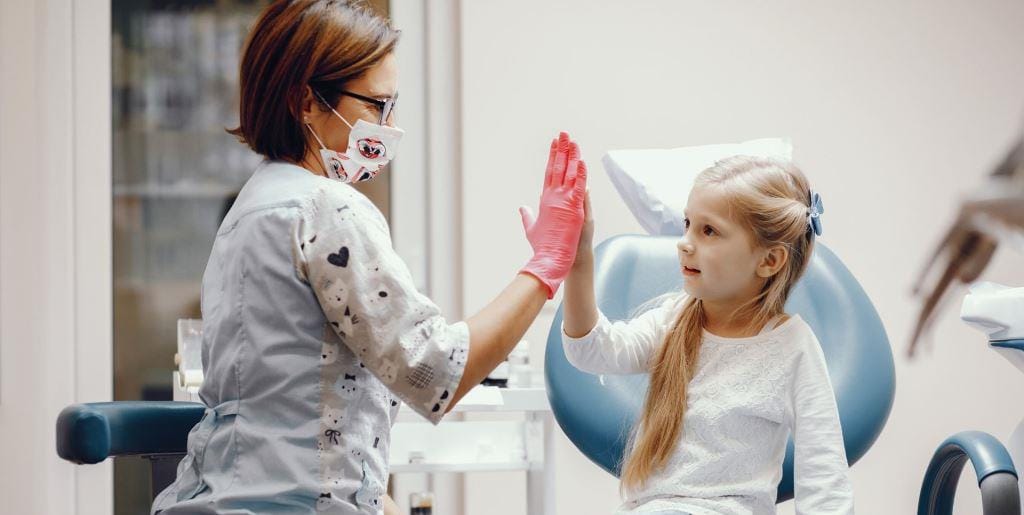
If your child is nervous about appointments, tell us when booking. We can discuss preparation, breaks and their communication or sensory needs. Familiarisation can help, but no visit or piece of equipment can promise that a child will never feel anxious or uncomfortable. Contact the practice to arrange an assessment.