
Teeth grinding in children: assessment and treatment
Originally published
The sound of a child grinding their teeth can be alarming, especially at night. Treatment depends on whether there is damage, pain or another concern that needs attention. A loud noise on its own does not tell you how serious the problem is.
Bruxism means grinding or clenching the teeth. Many children have episodes that settle as they grow, while some continue into adolescence or adulthood. There is no guarantee that it will stop when the last milk tooth falls out.
Start with an assessment
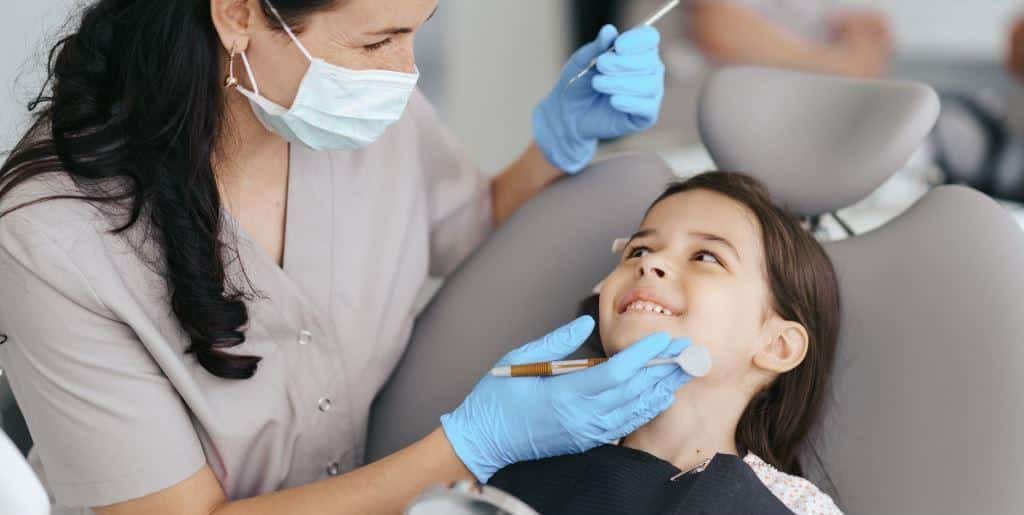
Book a dental appointment if you are concerned, or if your child has worn or chipped teeth, sensitivity, jaw pain or difficulty chewing. The dentist will examine the teeth and ask about sleep, symptoms, medicines and changes in daily life.
You can help by describing when the grinding happens and what your child reports. The clinician may need to follow changes over time rather than identify one certain cause at the first appointment.
A sore tooth, bleeding gums or repeated headaches should not be attributed automatically to grinding. They may need separate investigation or treatment.

Looking beyond the teeth
Grinding can be associated with stress, sleep problems or some medicines. If your child snores regularly, gasps or has pauses in breathing during sleep, arrange a GP assessment. A night guard for grinding is not a treatment for an undiagnosed breathing problem.
Grinding alone is not a diagnostic test for ADHD or autism. It also does not establish a vitamin deficiency. If there are broader developmental or health concerns, discuss them with the appropriate clinician rather than drawing conclusions from this one behaviour.
Tell the team about prescribed medicines, including any recent dose changes. If a medicine might be involved, the prescriber should decide what to do. Do not stop or adjust it without advice.
When monitoring may be enough
If there is little or no damage and your child is comfortable, the dentist may recommend observation and regular reviews. The aim is to notice changes early, not to provide an appliance simply because grinding has been heard.
Keep up daily tooth care and a regular sleep routine. Allow time to relax before bed and listen if your child wants to talk about worries. More support may be useful when anxiety affects daily life, but counselling is not a compulsory part of treatment for every child.
When might a guard be considered?
A dentist may consider a fitted protective appliance for selected children, especially when there is concerning wear or discomfort. The decision should take account of the child’s teeth, development and ability to use it safely. Ask how often it needs checking and what to do if it becomes loose or uncomfortable.
A guard separates and protects teeth; it does not reliably remove the underlying tendency to grind. Do not use a shop-bought guard for a young child without dental advice. Treatment for existing damage may be needed separately.
Braces have their own indications. Moving teeth or changing the bite should not be presented as a guaranteed cure for bruxism. If there is a bite problem, the dentist can explain whether an orthodontic opinion would help.
What to expect over time
Review the plan if pain develops, sleep deteriorates or teeth appear more worn. Ask the dentist what improvement they are looking for and when to come back. If a particular approach is not helping, the next step is reassessment rather than an automatic promise of a stronger treatment.
The NHS bruxism guide describes assessment and support. Our practical guide for parents covers signs to watch for and bedtime routines.
Contact the practice to discuss an appointment. Tell us if your child is worried about attending so we can plan suitable support; an introductory visit can build familiarity, but it cannot guarantee freedom from future dental anxiety.