Looking after your teeth and gums during pregnancy
Originally published
Pregnancy can change how your gums respond to plaque, making them more likely to become swollen or bleed. Nausea and vomiting can also make your usual cleaning routine harder. Your dental team can help you adapt it and treat problems that arise.
Pregnancy does not mean you must lose a tooth. Nor does a developing baby draw calcium out of your teeth. If you are planning a pregnancy, a check-up can be useful, but you can still receive necessary care once you are pregnant.
Dental treatment during pregnancy
Tell your dentist that you are pregnant, how far along you are, and about any medicines or complications. They can plan treatment and contact your maternity team when advice is needed.
Needed fillings, root canal treatment and extractions can be carried out during pregnancy. Do not assume an infected tooth can simply be sealed and left until after birth: delaying care may make the problem harder to treat. Some non-urgent or cosmetic work can wait, based on your dentist’s assessment.
Local anaesthetic can be used when appropriate. Pregnancy does not mean every anaesthetic containing adrenaline must be avoided; the dentist chooses a suitable medicine and dose. Necessary dental X-rays can also be taken after the need has been assessed. Discuss concerns so the team can explain the benefits and precautions.

Bleeding gums
Hormonal changes can increase the gums’ response to plaque. Keep cleaning gently and arrange a dental assessment if bleeding or soreness persists. Professional cleaning may be needed, but the timing and extent should reflect your mouth’s condition.
Gum disease has been associated with some adverse pregnancy outcomes in research. That does not establish that bleeding gums cause premature birth, or that a scale and polish prevents it. Dental care matters for your own health without using frightening predictions about your baby.
A manageable daily routine
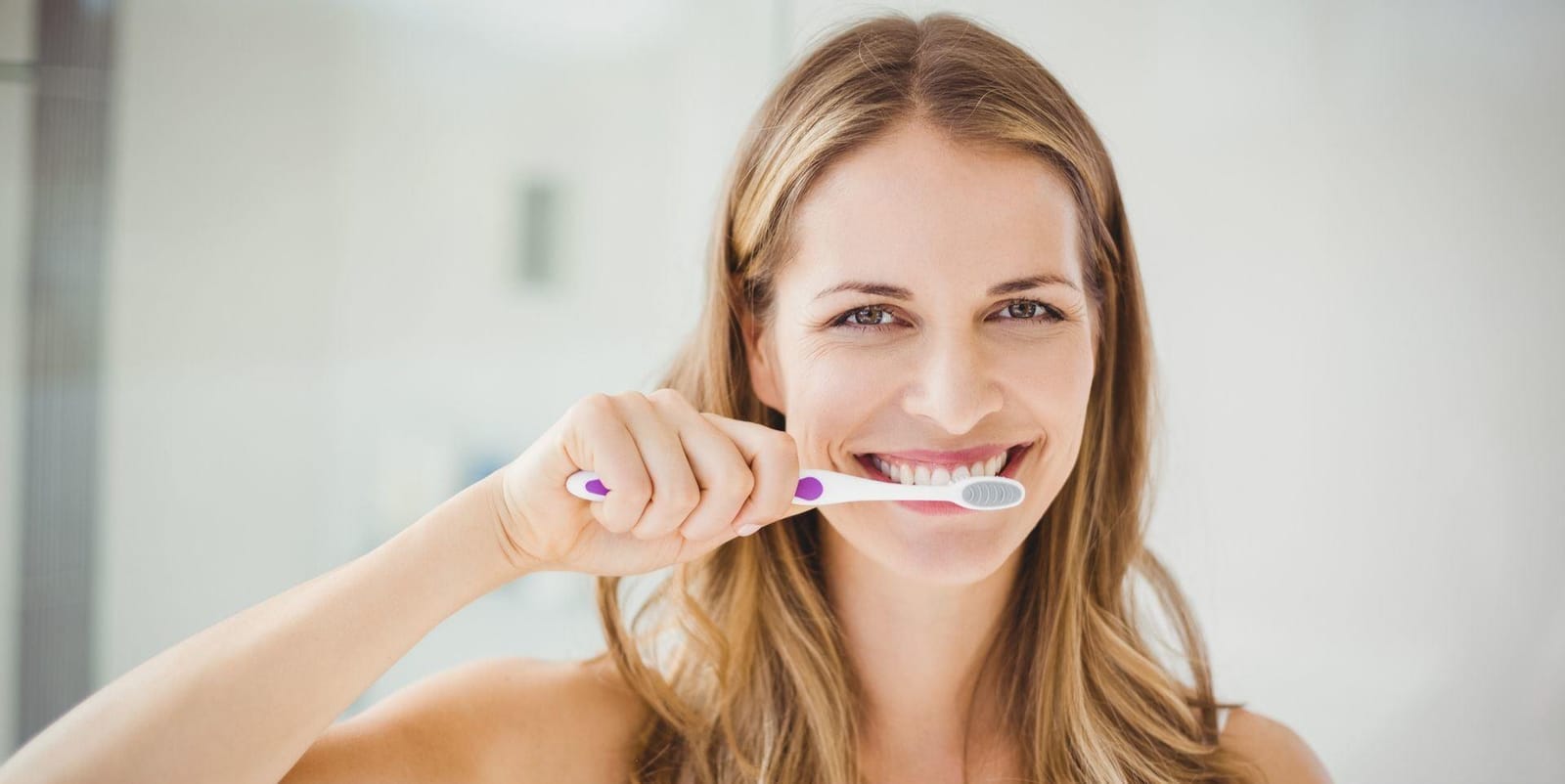
Brush twice a day with fluoride toothpaste, including last thing at night. Use a small brush head if that is easier to tolerate, clean gently along the gumline and clean between your teeth daily. Spit out after brushing without rinsing straight away.
If you use mouthwash, use it at a different time from brushing. It does not replace brushing or cleaning between teeth. Ask for help if gagging, soreness or nausea makes cleaning difficult; you do not need to scrub after every snack.
After vomiting, rinse with water and wait about an hour before brushing. Stomach acid can temporarily soften the tooth surface, so immediate scrubbing can add to wear. If vomiting is frequent or you cannot keep fluids down, contact your midwife or doctor promptly as well as discussing dental protection with your dentist.

Food and drink
Aim for a balanced diet and follow your maternity team’s advice. Try to limit frequent sugary snacks and drinks, but do not blame yourself if sickness restricts what you can tolerate. Ask for help finding a workable routine. Water is a useful everyday drink, and repeated exposure to acidic drinks can contribute to tooth wear.
There is no need to label cravings as irresponsible or claim that one particular food will harm your baby’s teeth. The pattern of eating, drinking and oral care matters more than a single snack.
When to contact the dentist
Toothache, a broken tooth, persistent bleeding or swelling should be assessed. For a suspected abscess, seek an urgent dental appointment or contact NHS 111 if you cannot access care. Difficulty breathing, speaking or swallowing, a swollen or painful eye, or extensive mouth swelling needs emergency help: call 999 or go to A&E.
Check with a pharmacist, dentist or maternity professional before taking medicines for dental pain during pregnancy. Tell them you are pregnant rather than relying on a general painkiller recommendation online.

Contact us to discuss care and a written estimate. Any private finance arrangement is subject to the current finance terms, including eligibility and affordability checks. When preparing for your baby’s arrival, you may also find our guide to caring for children’s teeth helpful.