
Sonic toothbrushes: benefits, limitations and choosing one
Originally published
A sonic toothbrush is a type of electric toothbrush. Its head moves rapidly to help remove plaque as you guide it around your teeth. It may make brushing easier, but the best choice is one you can use comfortably and thoroughly every day.
You do not need the most expensive model or the highest advertised speed to look after your teeth well. Manual and electric brushes can both be effective when used properly.
How does it differ from other electric brushes?
Sonic brushes generally use rapid side-to-side movements. Other electric designs may use a round head that oscillates and rotates. Head shapes, modes and movement descriptions vary between products.
Manufacturers may count strokes, movements or vibrations differently, so their headline numbers are not a reliable way to rank cleaning performance. There is no universal conversion that lets you compare every model by dividing one number by two.
Movement of fluid around the bristles is sometimes described in terms of bubbles or sound waves. This does not mean the brush reliably cleans every space that its bristles cannot reach. You still need to clean between teeth separately.

Using a sonic toothbrush
Follow the instructions for your model and ask your dental team to show you the technique. Guide the bristles gently along the teeth and gumline, covering the outside, inside and chewing surfaces. Avoid scrubbing hard or pressing the head into the gums.
Brush with fluoride toothpaste for about two minutes twice daily, including last thing at night. A timer or section reminder can help you spend enough time, but it cannot tell whether you have reached every surface. Check which functions your brush actually has rather than assuming all models stop after two minutes.
Spit out excess toothpaste without rinsing straight away. For adults, use toothpaste containing 1,350–1,500 ppm fluoride unless your dentist prescribes something different. A special “sonic-friendly” label is not necessary for routine brushing.
Which features are useful?
Consider how the handle feels, whether the head fits comfortably in your mouth and whether replacement heads are easy to obtain. A pressure sensor may help you notice excessive force. A gentle mode can make the sensation more comfortable, but persistent sensitivity or bleeding still needs assessment.
A timer is useful if you tend to stop too soon. Battery life and charging arrangements matter if you travel. Apps and extra modes are optional; choose them if they help you keep a routine, rather than assuming they improve the result automatically.
A “whitening” mode may help with surface stains. It does not bleach the natural colour of your teeth or replace professional whitening. Avoid pressing harder to try to remove a stain.
Limitations and ongoing costs
An electric handle costs more than a basic manual brush, and you will need replacement heads. Check those costs, battery arrangements and warranty terms before buying. Keeping a manual brush available is useful if the handle needs charging or repair.
A sonic brush is not automatically gentler than every other design. Pressure, bristles, technique and time all matter. Ask for help if brushing hurts rather than simply increasing the speed or changing to a gum-massage mode.
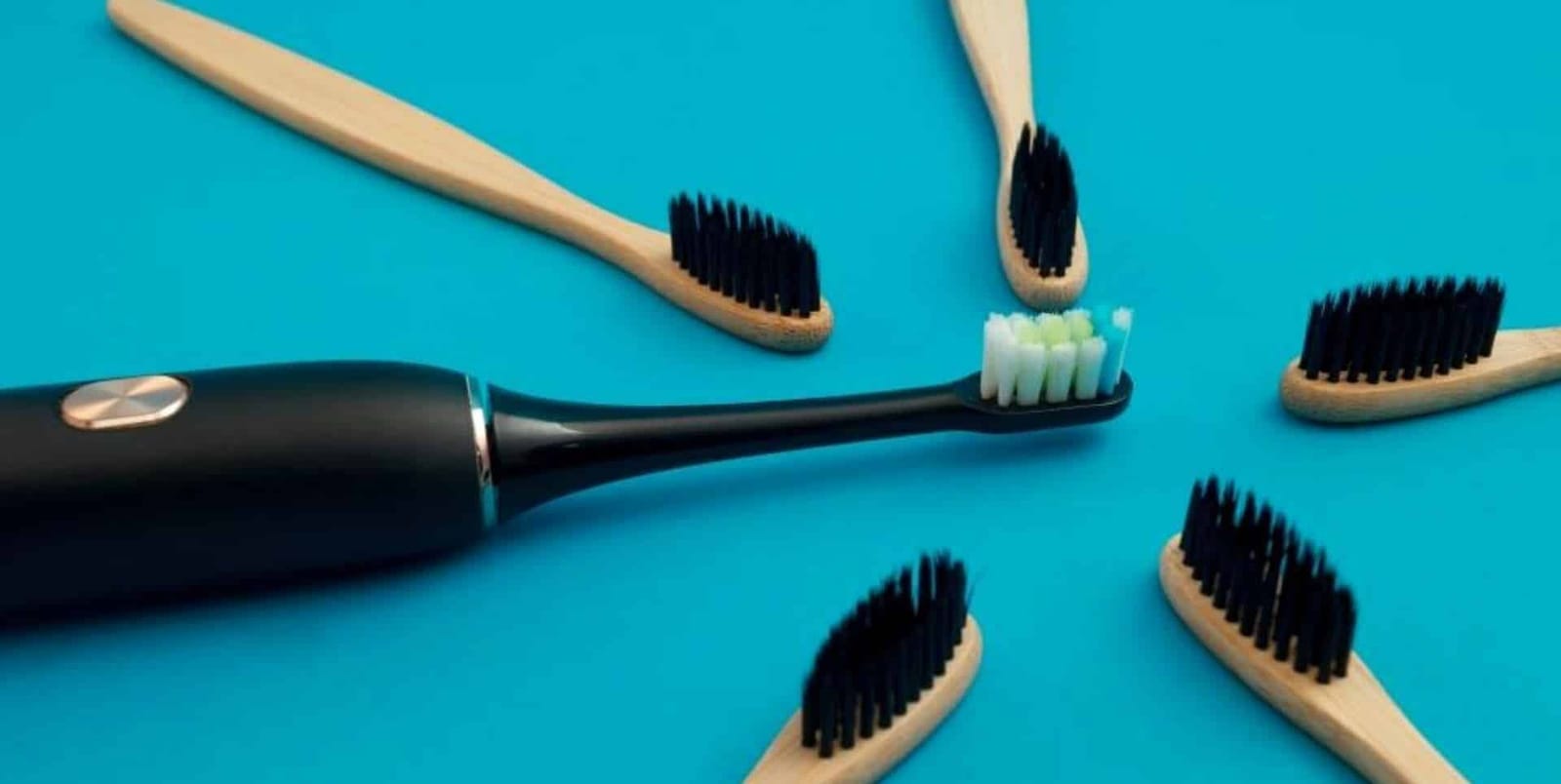
If family members share a compatible handle, each person must have their own brush head. Follow the manufacturer’s cleaning instructions and never share a head.
Can children use one?
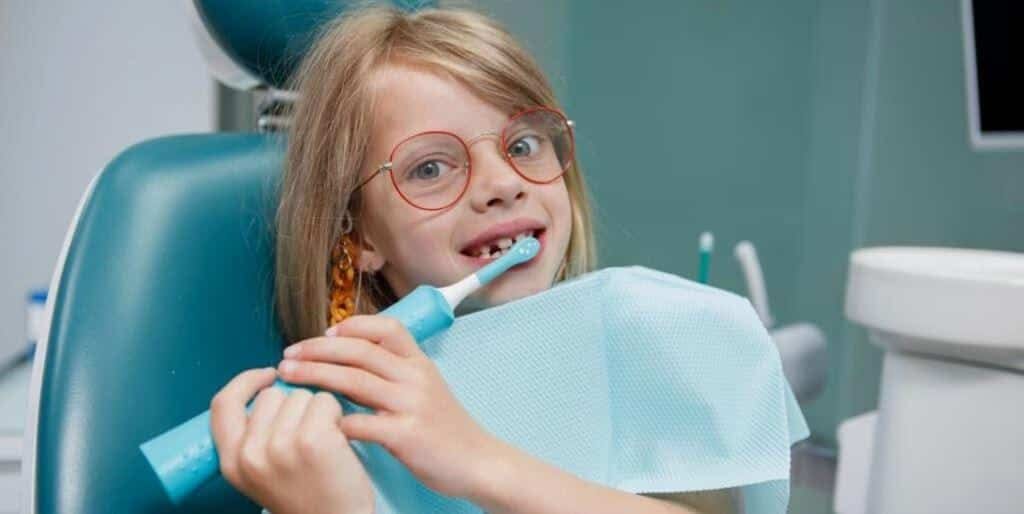
An age-appropriate electric brush may help a child enjoy brushing. Check the manufacturer’s age guidance and choose a head and handle they can manage. An adult should brush or help until at least age seven, and longer when needed.
The brush does not make a child immune to decay. Fluoride toothpaste, adult support and the frequency of sugary foods and drinks remain important. Read our children’s toothbrush guide.
Complete the daily routine
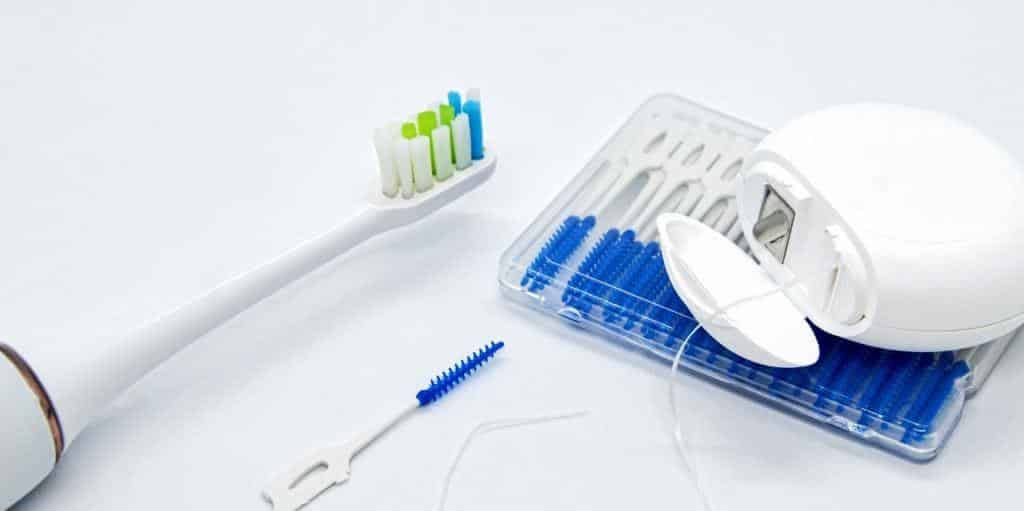
Use floss or suitably sized interdental brushes as advised for your teeth; a sonic brush does not replace them. Attend dental reviews at the interval recommended for you and have new pain or gum changes checked.
Contact us if you would like help with brushing technique or choosing a suitable head. If treatment is recommended and you are considering instalments, see the current finance terms; eligibility and approval conditions apply.