
Electric or manual toothbrush for a child: how to choose
Originally published
A child’s toothbrush needs to fit comfortably in their mouth and make thorough cleaning manageable. Both manual and electric brushes can work well. The choice matters less than brushing effectively, using fluoride toothpaste and getting enough help from an adult.
Start with the first tooth
Begin brushing as soon as the first milk tooth appears. Milk teeth help children eat and speak, and decay can cause pain or infection. Losing one early can sometimes affect the space available for permanent teeth, although it does not inevitably lead to orthodontic treatment.
Building a calm, regular routine helps. If brushing is difficult, try our ideas for encouraging children to brush and ask the dental team to show you a suitable technique.
Choosing a brush that fits
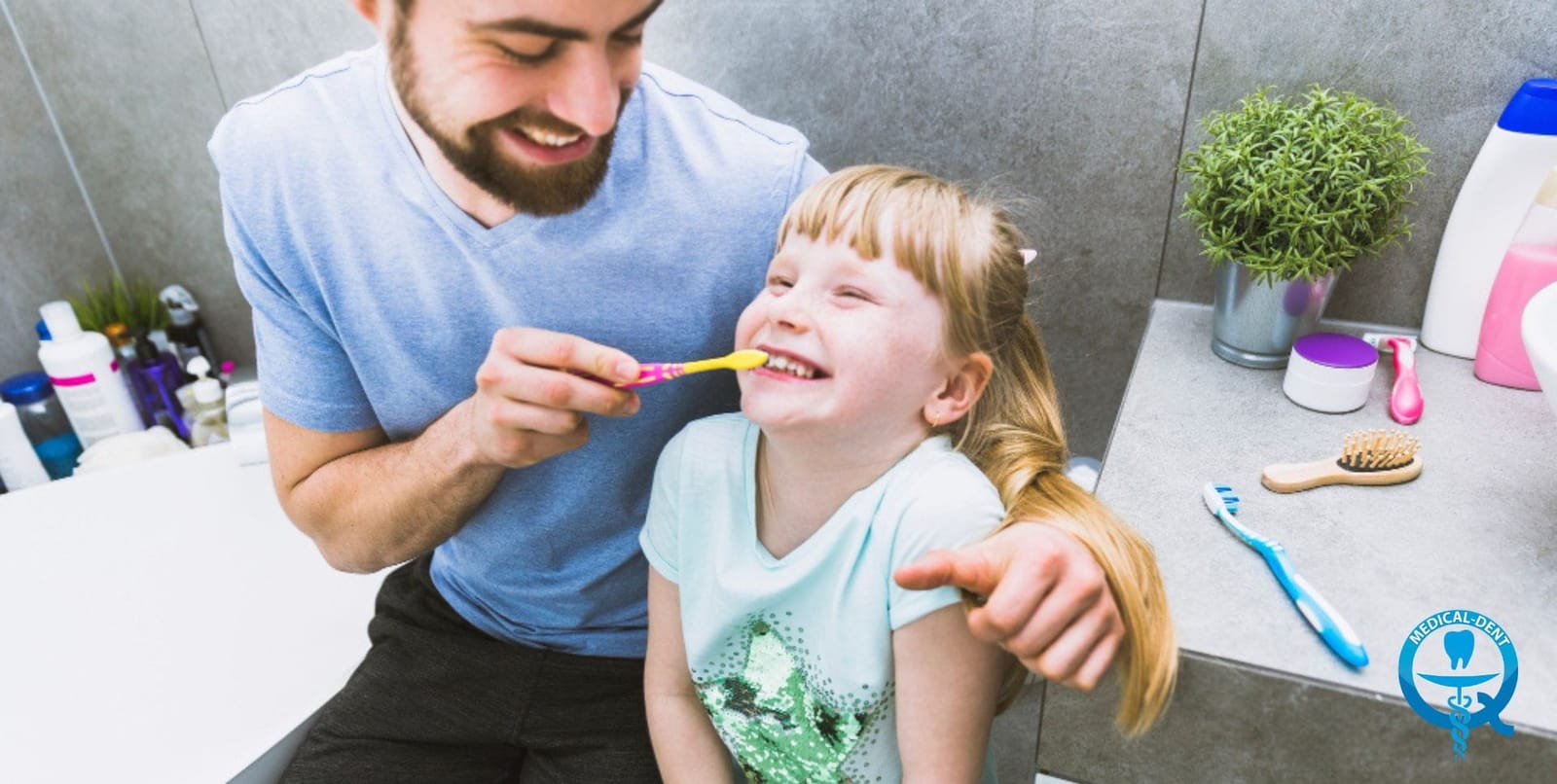
Look for a small head, soft bristles and a handle that is comfortable for you and your child to hold. Check the age guidance on the product. A favourite colour or a simple timer may encourage interest, but neither replaces help with cleaning.
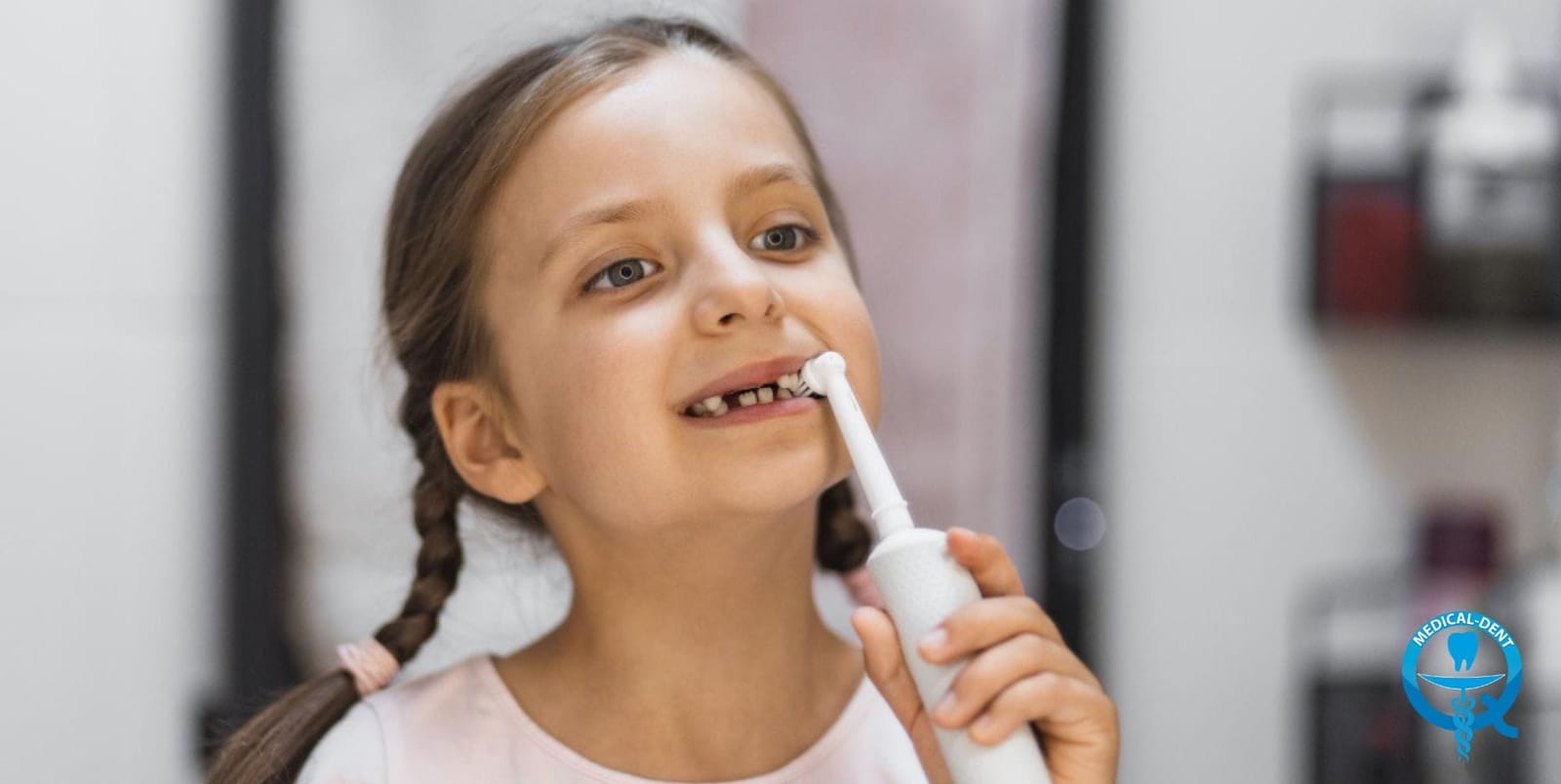
A manual brush is a practical option when you can reach every tooth surface gently. An electric brush may help some children with their routine, while others dislike the vibration or sound. Choose an age-appropriate model and follow its instructions; there is no single starting age that applies to every electric brush.
Ask your dentist to check the technique if you are unsure. Pressing harder will not make either type work better. The NHS toothbrushing guide explains why effective cleaning matters with both types.
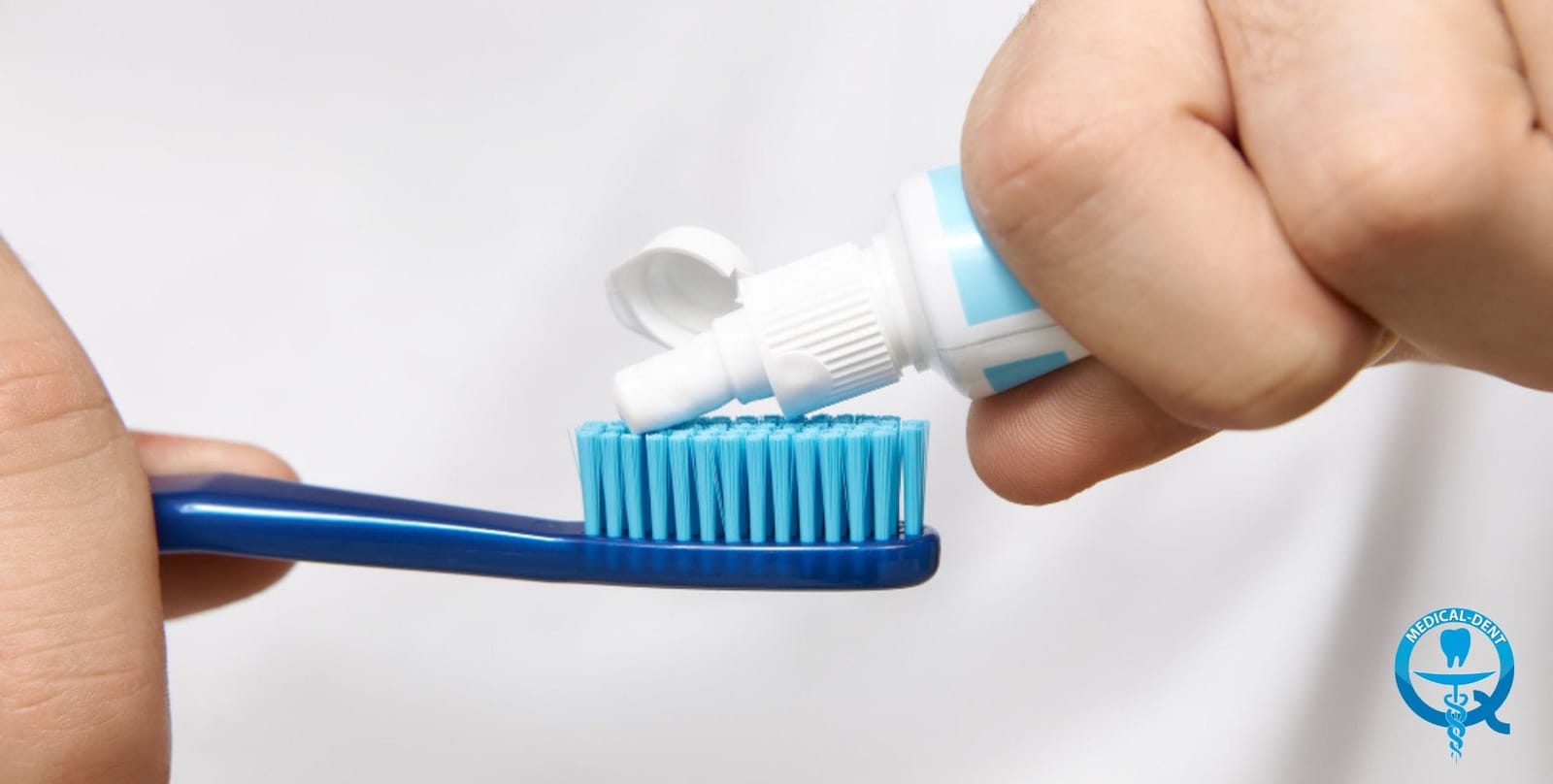
The photograph is illustrative. Use the small amount recommended for your child’s age below.
Fluoride toothpaste and help from an adult
Brush for about two minutes twice daily, including last thing before bed. An adult should brush or help until at least age seven, and continue to check technique or provide more help when needed.
The usual toothpaste guidance is:
- Under three: a smear containing at least 1,000 ppm fluoride, unless your dentist advises otherwise.
- Ages three to six: a pea-sized amount containing 1,000 to 1,500 ppm fluoride.
- From seven: toothpaste containing 1,350 to 1,500 ppm fluoride.
Encourage your child to spit out the excess without rinsing. Keep the tube out of reach between uses and do not let them eat or lick toothpaste. The NHS children’s teeth guide gives age-specific advice.
Food, drinks and habits
The amount and frequency of sugar both matter. Keep sugary foods and drinks to mealtimes where possible, and avoid juice or sweetened drinks in a bottle. Milk and whole fruit are not equivalent to sweets; babies still need their usual milk feeds. Ask a health visitor or dentist if you need help fitting tooth care around feeding and sleep.
If your child often breathes through their mouth, mention it to a GP or dentist rather than treating it as misbehaviour. There may be a blocked nose or another cause. Persistent thumb sucking is also worth discussing as your child grows; its effect on teeth depends on the pattern and duration of the habit.
Dental visits and prevention
Arrange a first dental visit when the first tooth appears, and by the first birthday even if teeth are late to arrive. The team can check the mouth, discuss feeding and brushing, and help your child become familiar with the setting. Follow-up intervals depend on their needs.
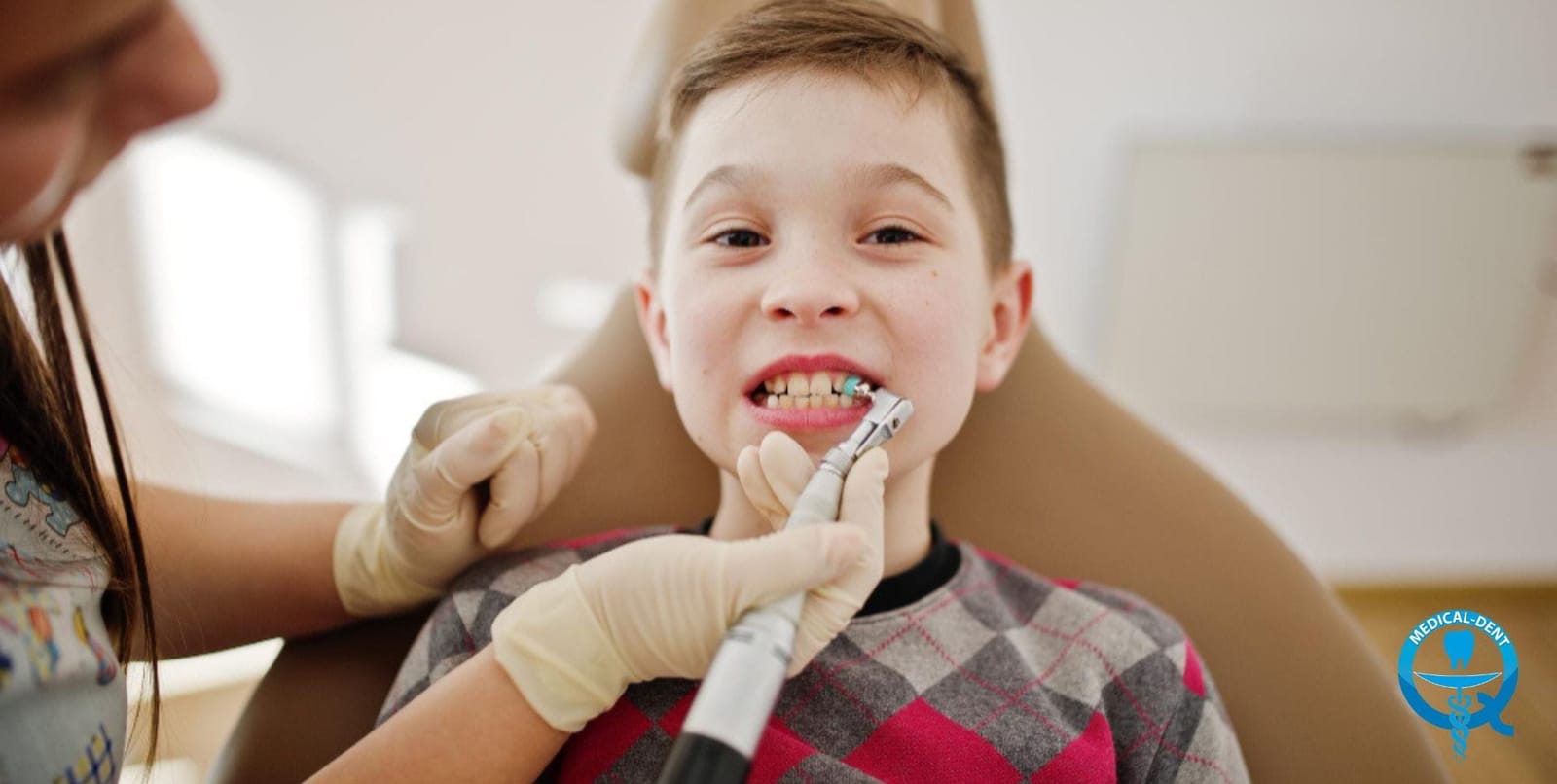
The dentist may recommend fluoride varnish to help prevent decay or fissure sealants to protect suitable grooves in teeth. These are different treatments, and neither removes the need for brushing. Our guide to fissure sealants explains when they may help.
If your child already has toothache
Arrange a dental assessment for pain, a visible hole or another worrying change. There is no need to wait until a child cannot eat or sleep, and it is not too late to ask for help. The dentist will explain the options for the affected tooth.
For facial swelling or fever with toothache, seek urgent dental advice; use NHS 111 if you cannot reach a dentist. Contact the practice to discuss an appointment and any worries your child has about treatment.