
Self-ligating braces: how they work and what they cost
Originally published
Self-ligating braces are fixed braces with a built-in clip that holds the orthodontic wire in each bracket. They are one option for straightening teeth, but choosing them does not automatically mean quicker treatment, fewer visits or a better result.
How are they different?
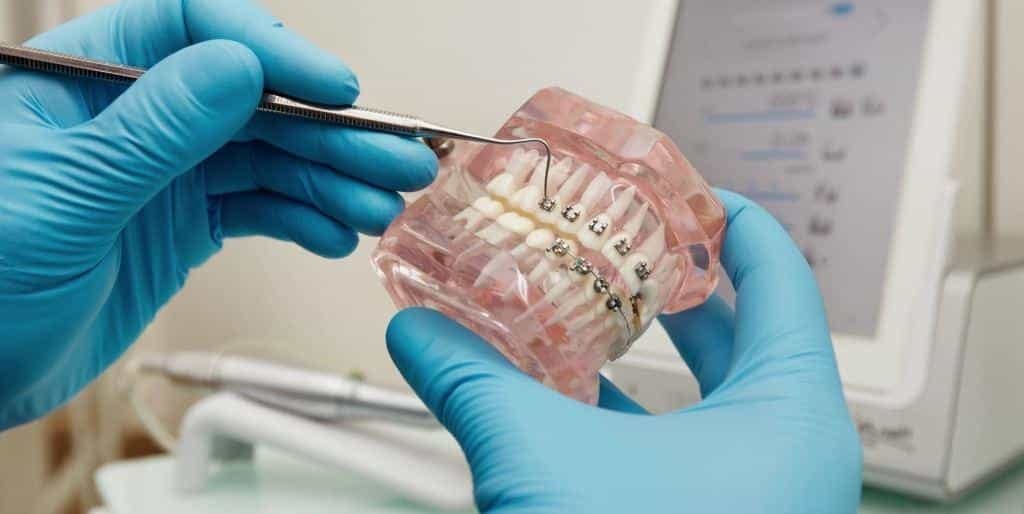
Conventional brackets hold the wire with small elastic rings or metal ties. A self-ligating bracket uses its own opening and closing mechanism instead. Both systems move teeth through controlled forces applied by the wire and the treatment plan.
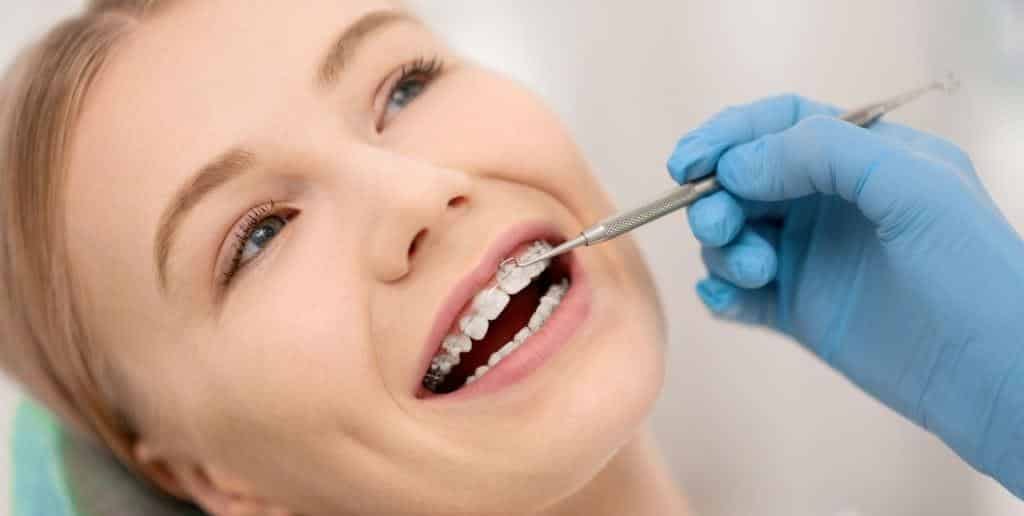
Self-ligating brackets can be metal or ceramic. They are not all transparent, and their appearance depends on the product and materials chosen. Your orthodontist can show you the options and explain whether they suit the changes your teeth need.
What benefits can you expect?
The clip can make changing the wire quicker at an appointment. That is different from shortening the whole course of treatment. The British Orthodontic Society’s guide to fixed appliances cautions against claims of superior results from the mechanism alone.
Discomfort, treatment length and the interval between appointments vary. Ask for an estimate based on your own case, rather than assuming that one bracket design is always more comfortable or needs fewer checks. The absence of elastic ties does not remove the need to clean around brackets and wires or prevent decay by itself.
Is this the right treatment for you?
An assessment comes before choosing a brace. Tooth position and the way your teeth meet matter, but so do the condition of your gums, existing dental work and your priorities. Headaches, loose teeth or cracked teeth need their own diagnosis; they are not automatic reasons to fit braces.
Discuss the expected benefit, risks, alternatives and what happens if you choose no treatment. There is no need to assume that every uneven smile will cause serious illness or facial changes. Our guide to braces for adults can help you prepare questions for the appointment.

Fees for self-ligating braces
Our listed Damon appliance fees are:
- Metal self-ligating brace, per arch: £1,100.
- Ceramic self-ligating brace, per arch: £1,400.
These are appliance fees per arch, not a complete treatment quote. Ask for a written breakdown covering assessment, adjustments, any additional procedures, brace removal and retainers. Fewer appointments should not be assumed when comparing the total cost.
See the orthodontic fee schedule and current finance information. After active treatment, retainers help maintain the result. To discuss suitable options, contact the practice.