
Braces for adults: options, treatment and costs
Originally published
Adults can have orthodontic treatment, but suitability depends on the health of their teeth and gums as well as the changes they want to make. A consultation can help you decide whether treatment would offer enough benefit to justify the time, cost and daily care involved.
When might braces help?
Crowding, rotated teeth, gaps and some bite problems can be treated by moving teeth. Your dentist will assess the cause of any difficulty chewing or cleaning before recommending an approach. Jaw pain, tooth wear or gum problems need their own assessment; they are not, by themselves, proof that braces are the answer.
Active decay or gum disease may need treatment first. Missing teeth or heavily restored teeth can also affect the plan. Tell the clinician what bothers you most and ask which changes are realistic.
Types of appliance
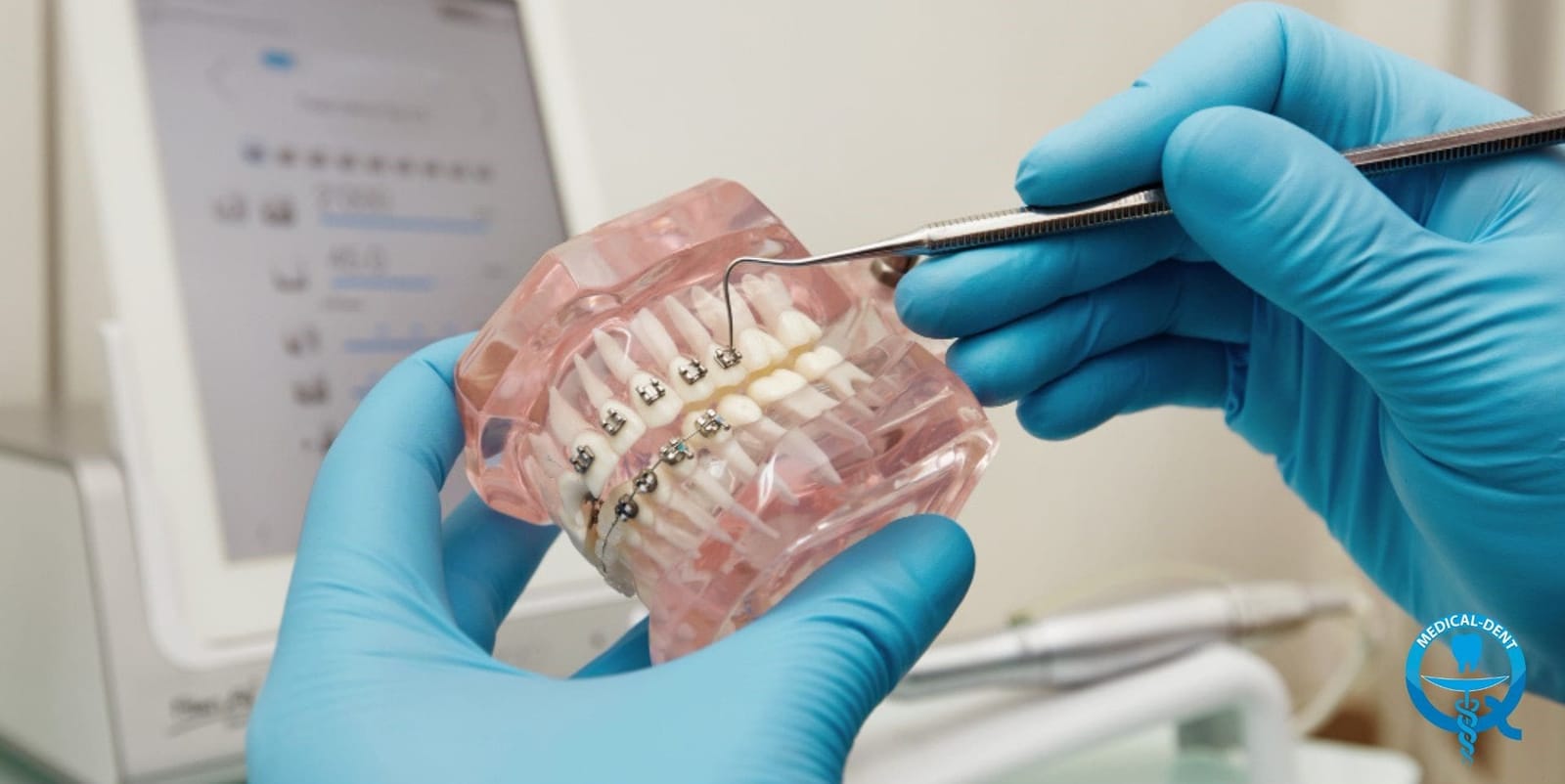
Fixed braces use brackets and wires to move teeth. Metal brackets are visible; ceramic or tooth-coloured brackets are less noticeable. Lingual braces sit on the inner surfaces of the teeth. Clear aligners are removable trays that move teeth in stages and must be worn as prescribed.
Each option has limits, and a less visible appliance is not necessarily the best choice for a particular bite. This is a general overview, not confirmation that every system is offered at Medical Dent. The British Orthodontic Society’s FAQs explain the main choices and what to ask at a consultation.
Treatment, care and retainers
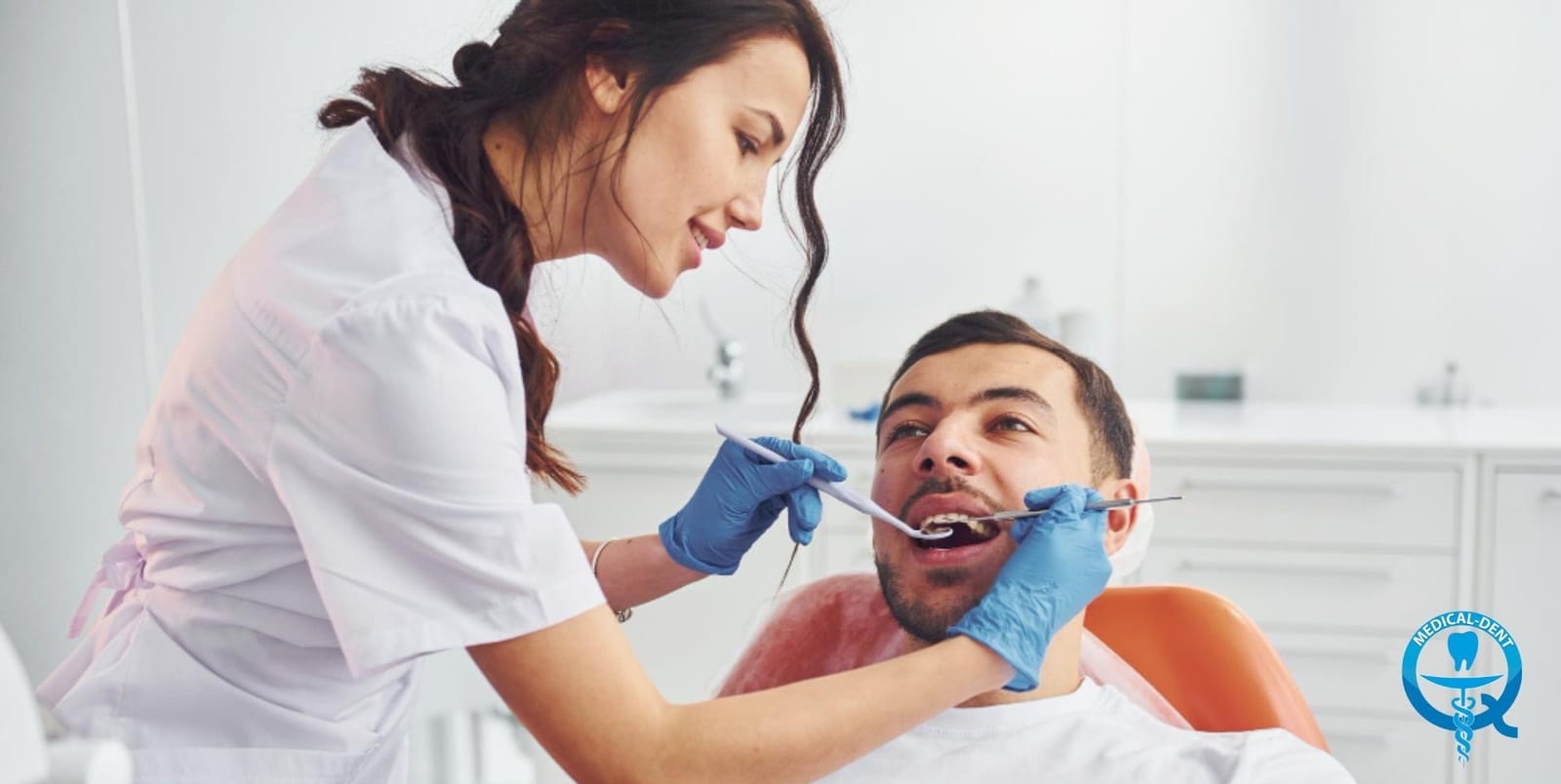
An assessment may include photographs, scans or impressions and X-rays where needed. You should receive a plan explaining the proposed movements, any additional procedures, likely duration and follow-up visits. Treatment can take many months or longer, depending on its complexity; an individual estimate is more useful than a fixed timetable.
Keep your teeth and appliance clean and continue seeing your regular dentist. Braces can cause soreness, and plaque around an appliance can lead to decay or inflamed gums. Tooth movement can also shorten roots. Ask about your own risks before deciding. South Tees Hospitals describes possible orthodontic complications.
After active treatment, retainers help maintain the result. Follow the wearing schedule and contact the team if a retainer breaks or no longer fits. The Oral Health Foundation explains treatment and retention.

What will the full course cost?
See our orthodontic fees for current listed charges. A fee per arch means the upper or lower set of teeth; it should not be read as a total for both arches or the whole course.
Ask for a written estimate that explains assessment, appliances, adjustment visits, removal, retainers and any likely additional charges. For payment options and eligibility, use the current finance information. You can contact us to arrange an assessment.